
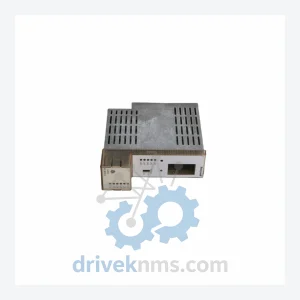
Honeywell XC Series Modules | XC5010C CPU Module
Honeywell XC Series: Comprehensive Module Range and Technical Overview The Honeywell XC Series represents a core control platform deployed across…
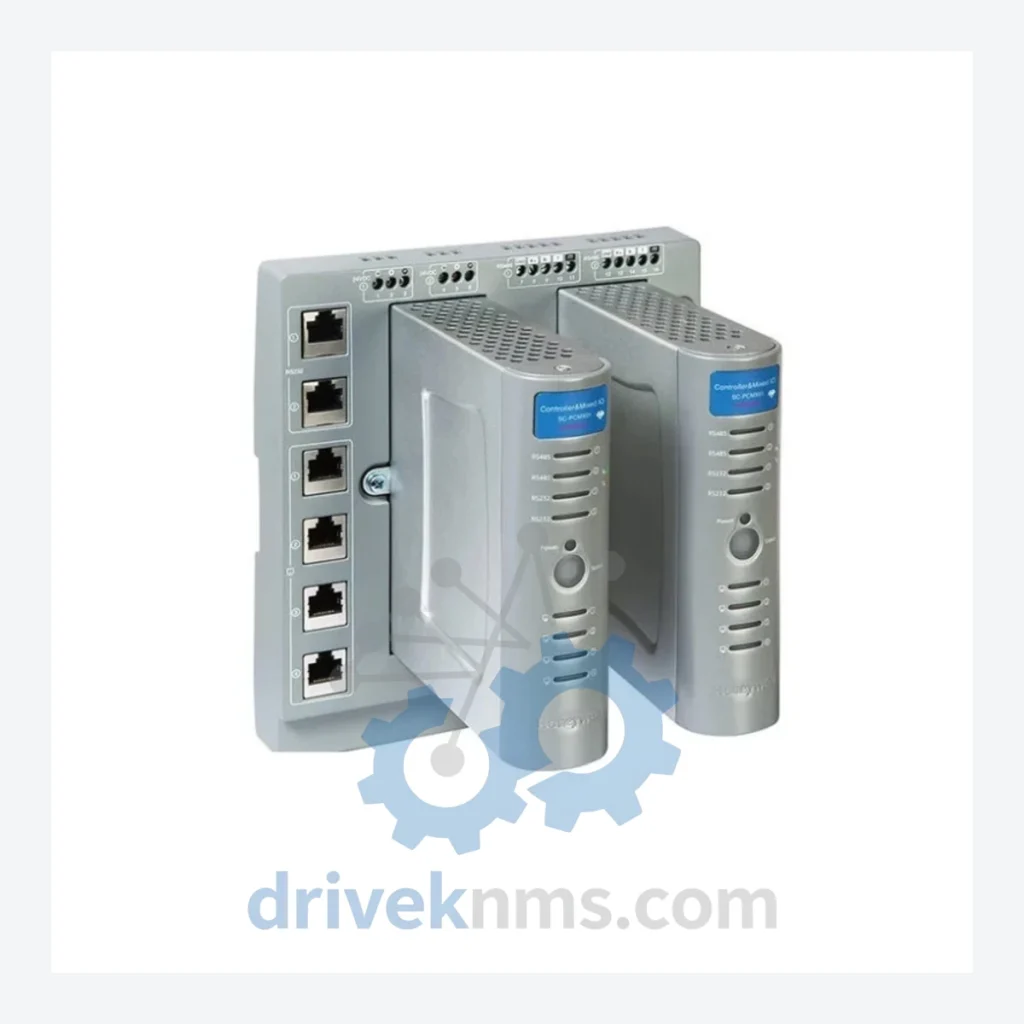
Model: SC-UCNN11
Product Overview
Commercial availability is handled through direct RFQ, model verification and export-oriented follow-up rather than public cart checkout.
Datasheet Preview
Use attached product manuals when available. If the manual is not public yet, request the full file directly through RFQ.
Commercial Path
Product pages on DRIVEKNMS are designed to verify model, brand and series first, then move the buyer into one clean quotation path.
Technical Dossier
The Honeywell Safety Manager (SM) series is a dedicated Safety Instrumented System (SIS) platform deployed across the most demanding process industries worldwide — including petroleum refining, petrochemical complexes, LNG terminals, nuclear auxiliary systems, and offshore production facilities. Certified to IEC 61511 and IEC 61508 SIL 2/SIL 3, the Safety Manager architecture operates as a standalone safety layer or in integrated configuration alongside Honeywell's Experion PKS distributed control system. Its installed base spans tens of thousands of safety loops globally, making it one of the most widely referenced SIS platforms in brownfield asset management.
The SC-UCNN11 is the Universal Controller Node within the Safety Manager platform, providing the core processing and redundancy management functions for the SM cabinet. It supports Hot Standby redundancy, deterministic scan execution, and direct backplane communication with I/O modules across the SM bus. Facilities running SC-UCNN11-based safety systems face a critical sourcing challenge: as the platform matures, OEM availability contracts while the operational demand for certified spare units remains constant.
Honeywell introduced the Safety Manager platform in the early 2000s as a successor to its FSC (Fail Safe Controller) line, which had served the process industry since the 1980s. The FSC platform — built around the H41q and H51q processor cards — established the architectural principles of triple modular redundancy (TMR) and voted logic that Safety Manager inherited and extended.
The Safety Manager first generation (SM R100–R130) established the SC-series controller and UCN/FTE communication backbone. The second generation (SM R200+) introduced enhanced diagnostics, expanded I/O density, and tighter Experion PKS integration via the Safety Builder engineering environment. The SC-UCNN11 belongs to the mature SM hardware generation, designed for UCN (Universal Control Network) connectivity — the same network backbone used across Honeywell TPS and Experion systems, ensuring backward compatibility with legacy plant infrastructure.
As Honeywell transitions customers toward the Safety Manager SC (next-generation platform with updated hardware form factors), the original SM hardware enters a lifecycle phase where OEM repair and replacement support diminishes. Plants operating on 10–20 year maintenance cycles cannot justify full system replacement and instead rely on qualified third-party sources for certified spare modules.
The following represents a structured reference catalog of confirmed Safety Manager series modules, organized by functional category. All SKUs listed are genuine Honeywell Safety Manager platform components.
Controllers & Processor Modules
Digital Input (DI) Modules
Digital Output (DO) Modules
Analog Input (AI) Modules
Communication & Network Modules
Power Supply Modules
The Safety Manager platform's hardware lifecycle creates a well-documented sourcing gap. Honeywell's official parts support for first and second-generation SM hardware has progressively narrowed, with lead times for new OEM units extending to 26–52 weeks where available at all. For facilities operating under IEC 61511 proof-test schedules, an unplanned SC-UCNN11 failure without a qualified spare on hand can trigger a mandatory process shutdown — the cost of which routinely exceeds the annual maintenance budget for the entire safety system.
DriveKNMS maintains a dedicated inventory program for Safety Manager hardware, with particular focus on controller nodes (SC-UCNN series), I/O modules, and communication adapters. Each unit sourced through DriveKNMS undergoes provenance verification to confirm it is a genuine Honeywell-manufactured component, not a counterfeit or field-stripped unit of unknown history. For facilities building a long-term spare parts strategy, DriveKNMS can assist in identifying the minimum viable spare set for a given SM cabinet configuration — reducing capital tied up in inventory while ensuring coverage for statistically probable failure modes.
Extending a Safety Manager installation by 5–10 years through a structured spare parts program is, in most cases, a fraction of the cost of a full SIS platform migration. A typical SM-to-SM SC migration project — including engineering, Factory Acceptance Testing, Site Acceptance Testing, and process downtime — runs into seven figures for a mid-size facility. A curated spare parts inventory, by contrast, can be assembled for a fraction of that cost and provides immediate operational insurance.
Safety Manager modules — particularly controller nodes and communication modules — contain complex backplane connectors, FPGA-based logic, and battery-backed memory that require systematic verification before deployment as spares. DriveKNMS applies a structured inspection and functional test protocol to all SM hardware:
Units that pass all five stages are documented with a test record and shipped with full traceability. Units that fail any stage are either refurbished to specification or quarantined — they are never sold as functional spares.
Related Paths
Honeywell XC Series: Comprehensive Module Range and Technical Overview The Honeywell XC Series represents a core control platform deployed across…
Honeywell MP-DNCF02-200 Single-Phase Power Controller – Obsolete Limitrol Series Spare Part When a single-phase power controller fails inside a legacy…
Honeywell XDL Series: Comprehensive Module Range and Technical Overview The Honeywell XDL series is a core component family within the…