
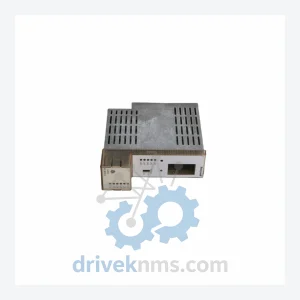
Honeywell XC Series Modules | XC5010C CPU Module
Honeywell XC Series: Comprehensive Module Range and Technical Overview The Honeywell XC Series represents a core control platform deployed across…
Model: TK-PRS021 £¬51404305-375
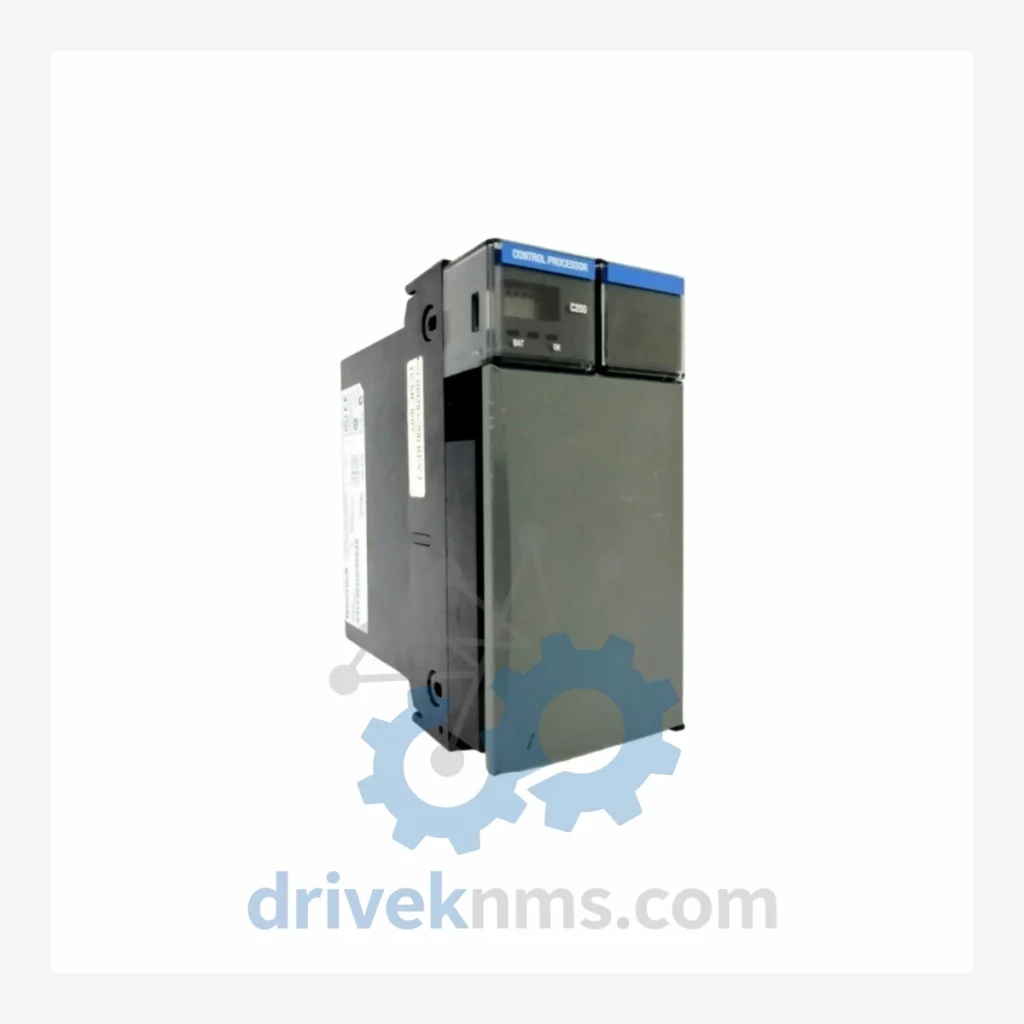
Product Overview
Commercial availability is handled through direct RFQ, model verification and export-oriented follow-up rather than public cart checkout.
Datasheet Preview
Use attached product manuals when available. If the manual is not public yet, request the full file directly through RFQ.
Commercial Path
Product pages on DRIVEKNMS are designed to verify model, brand and series first, then move the buyer into one clean quotation path.
Technical Dossier
When a control processor module fails inside a Honeywell TDC 3000 distributed control system, the consequences extend far beyond a single loop going offline. The TDC 3000 platform — still running critical process control in refineries, chemical plants, and power generation facilities worldwide — was architected around tightly integrated hardware that cannot be substituted with off-the-shelf modern equivalents. A forced migration away from TDC 3000 due to a single failed module routinely costs plant operators between USD $2 million and $8 million when engineering, re-commissioning, operator retraining, and production downtime are fully accounted for. The TK-PRS021 (alternate part number 51404305-375) is one of the processor-tier components that sits at the center of that risk. DriveKNMS maintains verified physical stock of this module — sourced, inspected, and held specifically for facilities that cannot afford to gamble on system-wide replacement.
| Attribute | Detail |
|---|---|
| Manufacturer | Honeywell |
| Part Number | TK-PRS021 |
| Alternate Part Number | 51404305-375 |
| Product Category | Control Processor Module |
| Compatible Platform | Honeywell TDC 3000 DCS |
| Country of Origin | United States |
| Lifecycle Status | Discontinued / Obsolete – No longer manufactured by Honeywell |
| Electrical Parameters | Refer to Honeywell TDC 3000 hardware documentation; parameters not independently verified and will not be stated to avoid safety risk |
The Honeywell TDC 3000 platform entered service in the 1980s and remained a dominant DCS architecture through the 1990s and into the 2000s. Honeywell has progressively end-of-lifed its hardware catalog, and the TK-PRS021 processor module is among the components no longer available through standard distribution channels. Yet thousands of TDC 3000 nodes remain in active service globally — not because plant managers are unaware of the discontinuation, but because the cost and operational disruption of a full migration to Experion PKS or a competing platform is prohibitive without a planned, multi-year capital program.
The TK-PRS021 is not a peripheral card. It operates at the processor tier of the TDC 3000 architecture, handling control execution tasks that cannot be redistributed to adjacent modules without a fundamental reconfiguration of the control strategy. When this module fails, the affected control node goes offline. Depending on the process, that can mean a controlled shutdown or an uncontrolled trip — neither outcome is acceptable in continuous-process industries. Holding a verified spare eliminates that binary risk. It converts a potential multi-week production halt into a maintenance window measured in hours.
For plant engineering teams and asset integrity managers operating under capital expenditure constraints, the calculus is straightforward: the cost of one verified TK-PRS021 spare is a fraction of one day of lost production in most process facilities. DriveKNMS sources these modules through established industrial surplus and decommissioning channels, providing a supply path that Honeywell's own distribution network no longer offers.
Facilities running TDC 3000 infrastructure are not necessarily behind the curve. Many have made a deliberate, financially sound decision to defer migration until a planned capital cycle. The challenge is managing hardware obsolescence risk during that deferral window. The following approach has been applied successfully across refinery and chemical plant environments to extend TDC 3000 operational life by five to ten years without a full platform replacement:
1. Criticality-based spare parts mapping. Identify every module type in the installed TDC 3000 base and classify each by failure consequence. Processor-tier modules like the TK-PRS021 belong in the highest criticality tier. For these, a minimum of one cold spare per node type is a defensible engineering standard, not a luxury.
2. Condition-based monitoring of aging hardware. TDC 3000 hardware from the 1990s is now 25–35 years old. Electrolytic capacitors in power supply and processor modules have finite service lives. Scheduled inspection cycles — including thermal imaging of populated boards and voltage rail checks — can identify modules approaching end of life before they fail in service.
3. Firmware version control. TDC 3000 processor modules carry firmware that must match the revision level of the surrounding system. Before installing any replacement module, verify firmware compatibility with the site's current system revision. Mismatched firmware is a known source of post-replacement instability.
4. Controlled spare parts procurement. The secondary market for TDC 3000 hardware contains both legitimate surplus stock and modules of unknown provenance. Procurement should be limited to suppliers who can provide inspection documentation and who hold physical inventory rather than brokering on demand. DriveKNMS maintains physical stock and applies a documented inspection protocol to every unit before shipment.
5. Migration planning as a parallel track. Extending legacy system life is a risk management strategy, not a permanent solution. The most effective facilities run a parallel migration planning process — scoping the eventual transition to a modern DCS while maintaining the existing system in reliable operation. This approach preserves optionality and avoids forced, unplanned migrations driven by hardware failure.
Every TK-PRS021 unit shipped by DriveKNMS passes a five-stage inspection protocol developed specifically for obsolete industrial control hardware:
Step 1 – Visual and mechanical inspection. Full examination of the PCB, connector pins, and housing for physical damage, corrosion, or evidence of prior repair work. Units with pin corrosion, burn marks, or unauthorized modifications are rejected at this stage.
Step 2 – Electrolytic capacitor assessment. Capacitor aging is the primary failure mode in processor-tier modules of this era. Each unit is assessed for capacitor bulging, electrolyte leakage, and ESR deviation. Units with compromised capacitors are either recapped by qualified technicians or removed from serviceable stock.
Step 3 – Firmware version verification. The firmware revision on each module is documented and disclosed to the customer prior to shipment. This allows the receiving facility to confirm compatibility with their installed system revision before the unit is dispatched.
Step 4 – Functional bench test. Where test infrastructure permits, modules are powered and exercised through a basic functional sequence. Results are documented.
Step 5 – Packaging and ESD protection. Units are packaged in anti-static bags with rigid protective packaging appropriate for international freight. Each shipment includes a condition report.
The TK-PRS021 is a direct hardware replacement for the same part number within the TDC 3000 architecture. No control strategy reprogramming is required for a like-for-like swap, provided firmware versions are compatible. This drop-in replacement characteristic is the core operational value of sourcing an original Honeywell module rather than pursuing an engineered workaround:
What warranty applies to an obsolete module like the TK-PRS021?
DriveKNMS provides a 90-day warranty covering functional defects identified under normal operating conditions. Given the age of this hardware, warranty terms are confirmed in writing at the time of order. Extended coverage options are available for customers purchasing multiple units for long-term sparing programs.
How do I know the unit is genuine Honeywell and not a counterfeit?
All units in DriveKNMS stock are sourced from decommissioned industrial facilities or authorized surplus channels. Physical markings, board revision codes, and component profiles are cross-referenced against known-good reference units. Customers are provided with pre-shipment photographs of the specific unit being dispatched.
Should I buy more than one unit?
For facilities with multiple TDC 3000 nodes using the TK-PRS021, holding two to three spares is a defensible engineering position. As secondary market availability of this module continues to decline, procurement lead times will extend and unit prices will increase. Customers with a defined migration timeline of three to seven years are advised to secure their full sparing requirement now rather than sourcing reactively after a failure event.
Can you source other TDC 3000 modules?
Yes. DriveKNMS maintains inventory across a range of Honeywell TDC 3000 hardware. Contact us with your full bill of materials for a consolidated availability check.
Related Paths
Honeywell XC Series: Comprehensive Module Range and Technical Overview The Honeywell XC Series represents a core control platform deployed across…
Honeywell MP-DNCF02-200 Single-Phase Power Controller – Obsolete Limitrol Series Spare Part When a single-phase power controller fails inside a legacy…
Honeywell XDL Series: Comprehensive Module Range and Technical Overview The Honeywell XDL series is a core component family within the…