
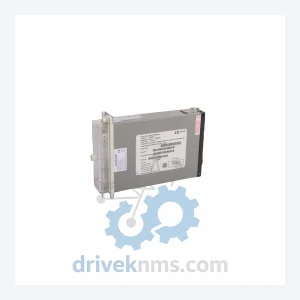
ALSTOM MVAJ105RA0802A Protection Relay – MiCOM Series
ALSTOM MVAJ105RA0802A Protection Relay: Supply Continuity Strategy for a Discontinued Critical Component The ALSTOM MVAJ105RA0802A is a numerical protection relay…
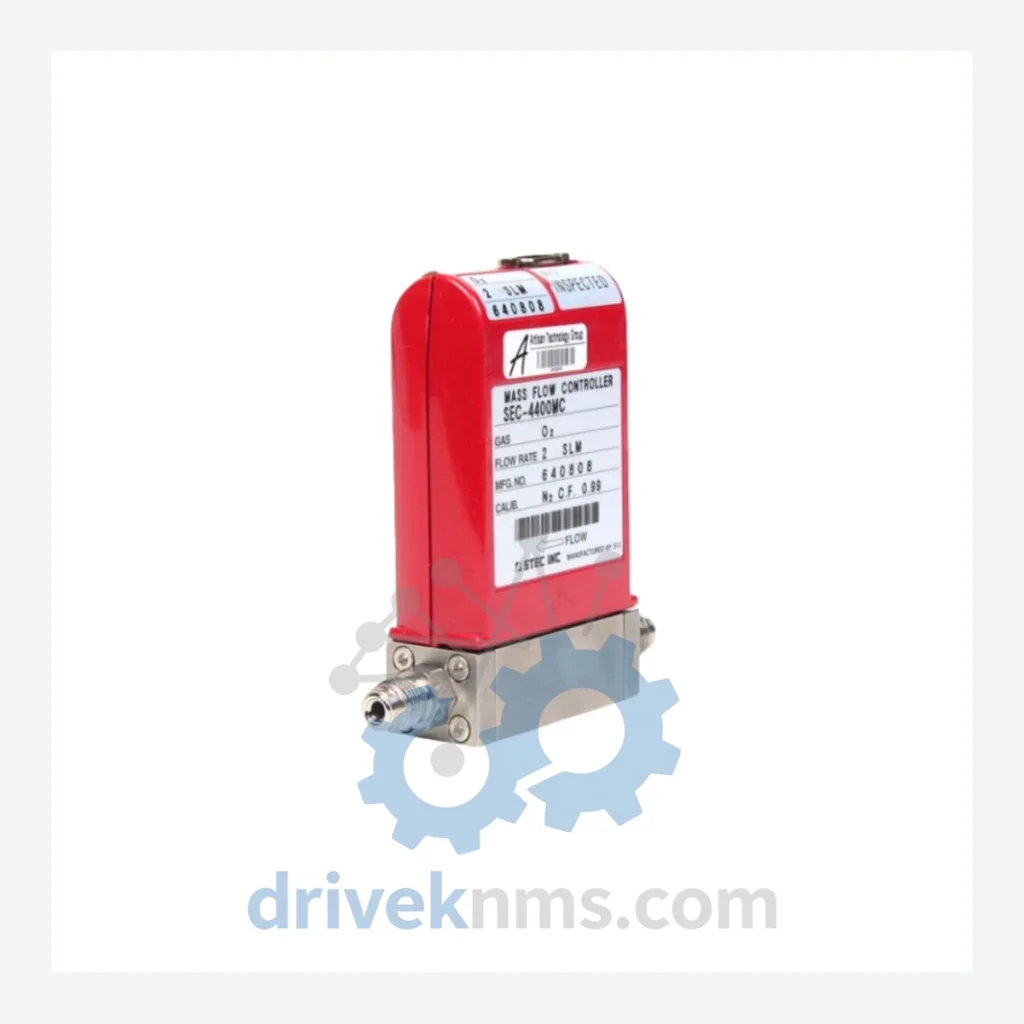
Model: SEC-4400, 5000 SCCM, SEC-4400 SGDV-OCB01A SGDV-2R8AE1A 410126-711
Product Overview
Commercial availability is handled through direct RFQ, model verification and export-oriented follow-up rather than public cart checkout.
Datasheet Preview
Use attached product manuals when available. If the manual is not public yet, request the full file directly through RFQ.
Commercial Path
Product pages on DRIVEKNMS are designed to verify model, brand and series first, then move the buyer into one clean quotation path.
Technical Dossier
When a Mass Flow Controller fails on a legacy semiconductor or precision gas process line, the consequences extend far beyond the cost of the component itself. A single unplanned downtime event on a CVD, diffusion, or etch tool can halt wafer production for days. Sourcing a replacement MFC that is compatible with an aging gas panel — without triggering a full tool requalification — is a challenge that procurement teams and process engineers know all too well.
The STEC SEC-4400 series has been discontinued. New production units are no longer available through standard distribution channels. For facilities still operating tools built around this MFC, the choice is stark: locate a verified replacement unit, or face the capital expenditure and engineering hours required to retrofit an entirely different MFC platform — a process that routinely costs tens of thousands of dollars per tool, per gas line, and introduces process qualification risk that no production manager wants to absorb.
DriveKNMS maintains verified inventory of the STEC SEC-4400 (5000 SCCM, Helium, SGDV-OCB01A / SGDV-2R8AE1A, P/N 410126-711). Each unit is inspected and documented before shipment.
| Parameter | Value |
|---|---|
| Manufacturer | STEC (now Horiba STEC) |
| Model / Series | SEC-4400 |
| Part Numbers | SGDV-OCB01A / SGDV-2R8AE1A / 410126-711 |
| Full Scale Flow Range | 5000 SCCM |
| Process Gas | Helium (He) |
| Product Status | Discontinued / Obsolete – No longer in OEM production |
| Country of Origin | Japan |
| Typical Applications | Semiconductor CVD, diffusion furnace, etch tool gas panels |
The STEC SEC-4400 was a workhorse MFC deployed across a generation of semiconductor process tools throughout the 1990s and 2000s. Its analog and digital interface variants were integrated into gas delivery systems on platforms from Applied Materials, Tokyo Electron, Kokusai, and others. The SEC-4400's mechanical form factor, connector pinout, and communication protocol were designed to fit specific tool architectures that remain in production use at mature-node fabs, research institutions, and specialty chemical vapor deposition facilities worldwide.
Replacing the SEC-4400 with a current-generation MFC is not a simple swap. It requires re-engineering the gas panel interface, updating the tool's MFC driver software or hardware control card, and — critically — requalifying the process recipe on the modified tool. In a regulated production environment, that requalification alone can consume weeks of engineering time and consume valuable production wafers. The total cost of a forced platform migration, when all engineering, qualification, and lost production time is accounted for, routinely exceeds USD $50,000 per tool position.
A verified replacement SEC-4400 unit eliminates that cost entirely. It installs as a direct drop-in replacement, preserves the existing gas panel architecture, and allows the tool to return to qualified production status without any process revalidation. For facilities managing 10, 20, or 50 legacy tool positions, the arithmetic is straightforward.
Obsolete MFC units sourced from the secondary market carry real risk. Electrolytic capacitor degradation, firmware version mismatches, and pin corrosion are the three failure modes most commonly encountered in aged MFC inventory. DriveKNMS applies a structured 5-step inspection protocol to every SEC-4400 unit before it leaves our facility:
Step 1 – Visual and Mechanical Inspection: Full external inspection for physical damage, connector integrity, and label legibility. Units with compromised body seals or damaged fittings are rejected at intake.
Step 2 – Electrolytic Capacitor Assessment: Internal board inspection targeting capacitor bulge, electrolyte leakage, and ESR deviation. Capacitor aging is the primary cause of MFC drift and control instability in units that have been in storage or light service for extended periods.
Step 3 – Firmware Version Verification: Where accessible, firmware revision is documented and cross-referenced against known compatible versions for the SEC-4400 platform. Version mismatches that affect control behavior are flagged prior to shipment.
Step 4 – Pin and Connector Corrosion Check: All electrical connectors are inspected under magnification for oxidation, pin recession, and contact contamination. Affected connectors are cleaned or the unit is rejected.
Step 5 – Functional Documentation: Each unit is documented with its inspection record. Condition grade (New Old Stock, Refurbished, or Tested Used) is clearly stated on the shipment documentation.
Drop-in replacement: The SEC-4400 installs directly into existing tool gas panel positions without mechanical modification. No bracket fabrication, no fitting adapters, no re-piping.
No reprogramming required: The SEC-4400 communicates via the same interface protocol as the original unit. The tool's MFC control card does not require reconfiguration. Process recipes run without modification.
No engineering requalification: Because the replacement unit is functionally identical to the original, the tool's qualified process status is preserved. This is the single most significant cost avoidance factor in legacy MFC replacement.
Asset life extension: A single verified spare unit can extend the operational life of a legacy process tool by 5 to 10 years, deferring capital expenditure on tool replacement or platform migration until it is strategically appropriate — not forced by a component failure.
Long-term sparing strategy: For facilities operating multiple tools with SEC-4400 positions, DriveKNMS recommends establishing a consigned spare inventory. Contact us to discuss volume availability and long-term supply agreements.
Q: What warranty applies to an obsolete spare part?
A: DriveKNMS provides a 90-day warranty covering functional performance against the SEC-4400 specification. Warranty terms are stated on the sales order and cover defects identified under normal operating conditions.
Q: How do I confirm the unit is genuine and not counterfeit?
A: Every unit is sourced through documented supply channels. Serial numbers, date codes, and manufacturer markings are verified at intake. Inspection records are available upon request. We do not sell units where provenance cannot be established.
Q: Should I purchase more than one unit?
A: For any tool with more than one SEC-4400 position, or for facilities operating multiple tools of the same platform, holding at least one additional spare is standard risk management practice. MFC failure is not predictable, and secondary market availability of discontinued units decreases over time. Securing inventory now is materially less expensive than sourcing under emergency conditions.
Q: Can you supply other SEC-4400 flow ranges or gas configurations?
A: Contact us with your specific part number. DriveKNMS maintains inventory across multiple SEC-4400 variants and can advise on availability.
© 2026 DriveKNMS. Status: DRAFT
Related Paths
ALSTOM MVAJ105RA0802A Protection Relay: Supply Continuity Strategy for a Discontinued Critical Component The ALSTOM MVAJ105RA0802A is a numerical protection relay…
MOORE 16137 Series: Comprehensive Module Range and Technical Overview The MOORE 16137 Series represents a core component family within Moore…
Yaskawa YPHT11014-1A Circuit Board – Obsolete Drive Control Spare Part When a Yaskawa YPHT11014-1A circuit board fails in a production…