
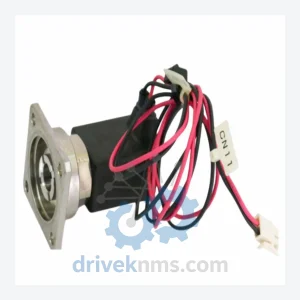
SMC VCZ Series Circulating Fluid Valves: VCZW31-5G-15-04-J-X21 0190-11558
SMC VCZ Series: Comprehensive Circulating Fluid Valve Range and Technical Overview The SMC VCZ series is a dedicated line of…
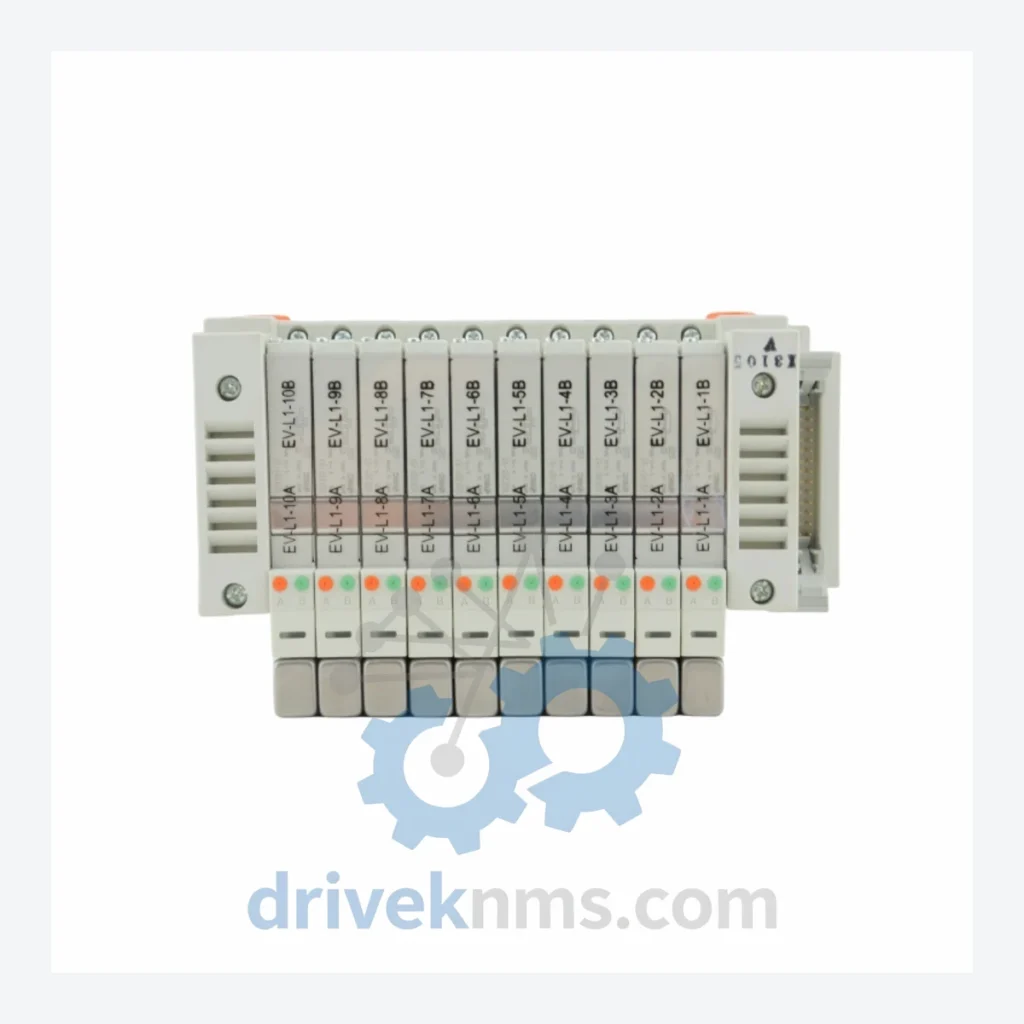
Model: 4060-00949 VV5Q11-10-X3105V UT-CNN-01 H1001426001A 3620-00122 CDN127-1
Product Overview
Commercial availability is handled through direct RFQ, model verification and export-oriented follow-up rather than public cart checkout.
Datasheet Preview
Use attached product manuals when available. If the manual is not public yet, request the full file directly through RFQ.
Commercial Path
Product pages on DRIVEKNMS are designed to verify model, brand and series first, then move the buyer into one clean quotation path.
Technical Dossier
When a pneumatic manifold fails on a production line built around SMC's VQ/VV5Q series valve stations, the consequences extend far beyond a single component. The VV5Q11-10-X3105V is a discontinued manifold block from SMC's VV5Q11 series — a platform that was deeply embedded in automotive body shops, semiconductor fabs, food packaging lines, and general industrial automation throughout the 2000s and 2010s. Replacing this manifold today does not mean sourcing a new part. It means confronting a system-level engineering decision: retrofit the entire valve island, reroute pneumatic circuits, and re-commission the station — a process that routinely costs $80,000–$400,000 USD in engineering labor, downtime, and revalidation, depending on the complexity of the cell.
DriveKNMS holds verified physical stock of the VV5Q11-10-X3105V. For plant engineers and maintenance managers who need to keep an aging but productive line running, this is not a commodity purchase. It is an asset protection decision.
| Parameter | Detail |
|---|---|
| Manufacturer | SMC Corporation |
| Part Number / SKU | VV5Q11-10-X3105V |
| Associated Assembly Ref. | 4060-00949 / UT-CNN-01 / H1001426001A / 3620-00122 / CDN127-1 |
| Series | VV5Q11 (VQ1000 Valve Manifold Series) |
| Type | Multi-station Pneumatic Valve Manifold Block |
| Medium | Air (filtered, non-lubricated) |
| Country of Origin | Japan |
| Discontinuation Status | Discontinued / Obsolete – No longer in SMC standard production catalog |
| Successor / Replacement | No direct drop-in successor from OEM; cross-compatibility requires engineering review |
Note: Electrical and pressure parameters specific to this assembly configuration are not published in open documentation. DriveKNMS will provide verified datasheet references upon inquiry. No parameters are assumed or fabricated.
The VV5Q11 manifold series was SMC's workhorse platform for multi-station directional control in the era before IO-Link and EtherNet/IP-native valve terminals became standard. These manifolds were integrated directly into PLC-controlled pneumatic circuits — often tied to Mitsubishi MELSEC, Siemens S7-300/400, or Omron CJ/CS series controllers — with station-specific wiring harnesses, D-sub connectors, and custom port configurations that cannot be replicated by modern manifold families without significant rework.
The X3105V suffix on this part number indicates a special specification variant, which further narrows the pool of compatible replacements. In practice, this means that when this manifold fails, there is no catalog substitute. The only viable path to maintaining production continuity — without a six-figure retrofit — is sourcing the original part number from secondary market inventory.
This is the operational reality that DriveKNMS was built to address. We specialize in locating, verifying, and supplying discontinued SMC pneumatic components for facilities that cannot afford the downtime or capital expenditure of a full system upgrade.
For plant managers facing pressure to retire aging pneumatic systems, the financial case for targeted spare part investment is straightforward. A production cell with a 15-year service history has already absorbed its capital depreciation. Its tooling, fixtures, and process parameters are validated. Retiring it prematurely — because a $2,000 manifold is unavailable — to install a $300,000 replacement cell is a decision driven by procurement failure, not engineering necessity.
A structured approach to legacy system maintenance includes three practical steps. First, conduct a criticality audit: identify every pneumatic manifold, solenoid valve, and pressure switch in the cell that is either discontinued or within two years of end-of-life. Second, establish a strategic buffer stock: for high-criticality, single-point-of-failure components like the VV5Q11-10-X3105V, holding one to two spare units on-site eliminates the risk of extended lead times from secondary market sourcing. Third, implement a scheduled inspection cycle: pneumatic manifolds in high-cycle applications should be inspected for internal seal degradation, port thread wear, and manifold body cracking every 18–24 months, regardless of apparent performance.
This approach consistently extends productive asset life by five to ten years beyond the OEM's support window — at a fraction of the cost of system replacement.
Sourcing a discontinued pneumatic manifold from the secondary market carries legitimate risk. DriveKNMS applies a five-step quality verification process to every unit before shipment.
Step 1 – Physical Inspection: Full visual examination of the manifold body, port threads, mounting surfaces, and connector housings for cracks, corrosion, or mechanical damage.
Step 2 – Internal Seal Assessment: Where applicable, internal passages are inspected for seal degradation. Units showing evidence of elastomer breakdown or contamination are quarantined.
Step 3 – Connector and Pin Integrity Check: All D-sub or multi-pin electrical connectors are inspected for pin corrosion, bent contacts, and housing integrity. Corroded pins are a primary failure mode in stored pneumatic valve manifolds.
Step 4 – Firmware / Configuration Verification (for electronically integrated units): For manifolds with integrated solenoid driver electronics, firmware version and DIP switch configuration are documented and confirmed against known-good references where available.
Step 5 – Functional Verification and Documentation: Each unit is tested for pneumatic integrity and solenoid actuation response where test infrastructure permits. A condition report is issued with every shipment.
Units are classified as New Old Stock (NOS), Tested Surplus, or Professionally Refurbished. Condition is disclosed in full prior to order confirmation.
Drop-in replacement: The VV5Q11-10-X3105V installs directly into existing manifold mounting positions without modification to pneumatic tubing, electrical harnesses, or PLC program logic. No re-engineering. No revalidation of the pneumatic circuit.
No reprogramming required: Because this is the original part number, solenoid addressing, valve sequencing, and I/O mapping remain identical to the original installation. Maintenance technicians can complete the swap during a standard planned maintenance window.
Avoids engineering reconstruction costs: The alternative — adapting a current-generation SMC manifold to fit an existing VQ1000-era circuit — requires custom manifold plates, new wiring harnesses, updated PLC I/O mapping, and full pneumatic recommissioning. Conservative estimates for this work range from $15,000 to $80,000 USD depending on station complexity. A verified spare unit eliminates this cost entirely.
Q: What warranty applies to discontinued parts?
A: DriveKNMS provides a 90-day functional warranty on all tested and refurbished units. New Old Stock units carry a 30-day inspection warranty. Warranty terms are confirmed in writing prior to shipment.
Q: How do I know the unit is genuine SMC and not a counterfeit?
A: All units are sourced from documented industrial surplus channels — decommissioned OEM facilities, authorized distributor overstock, and verified plant liquidations. SMC part markings, date codes, and manufacturing identifiers are inspected and documented. Provenance documentation is available upon request.
Q: Should I buy more than one unit?
A: For any discontinued component that is a single point of failure in a production-critical system, holding a minimum of one on-site spare is standard practice. Given the scarcity of VV5Q11-series inventory in the secondary market, purchasing two units — one for immediate use and one as a long-term reserve — is a defensible asset protection decision. Inventory of this specific part number is not replenishable on demand.
Q: What is the lead time?
A: In-stock units ship within 3–5 business days after order confirmation and payment. Contact us to confirm current stock status before placing an order.
Related Paths
SMC VCZ Series: Comprehensive Circulating Fluid Valve Range and Technical Overview The SMC VCZ series is a dedicated line of…
SMC SQ2431N-5-C6-Q Solenoid Valve: Global Sourcing Strategy & Asset Return Value The SMC SQ2431N-5-C6-Q is a 4/2-way single-solenoid valve from…
SMC 4060-00633 Pneumatic Manifold: Global Sourcing Strategy & Asset Return Value The SMC 4060-00633 (cross-referenced as DBL4N00950-0R2-000-S40, 4022.436.2449, US17276, 102264,…