
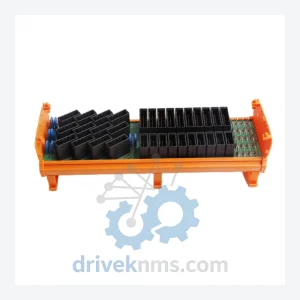
Holleywell 10313/1/1 FSC Termination Module – Obsolete Safety System Spare Part
Holleywell 10313/1/1 FSC Termination Module – Obsolete Safety System Spare Part When a Holleywell FSC (Fail-Safe Controller) Termination Module fails,…
Model: Z7127
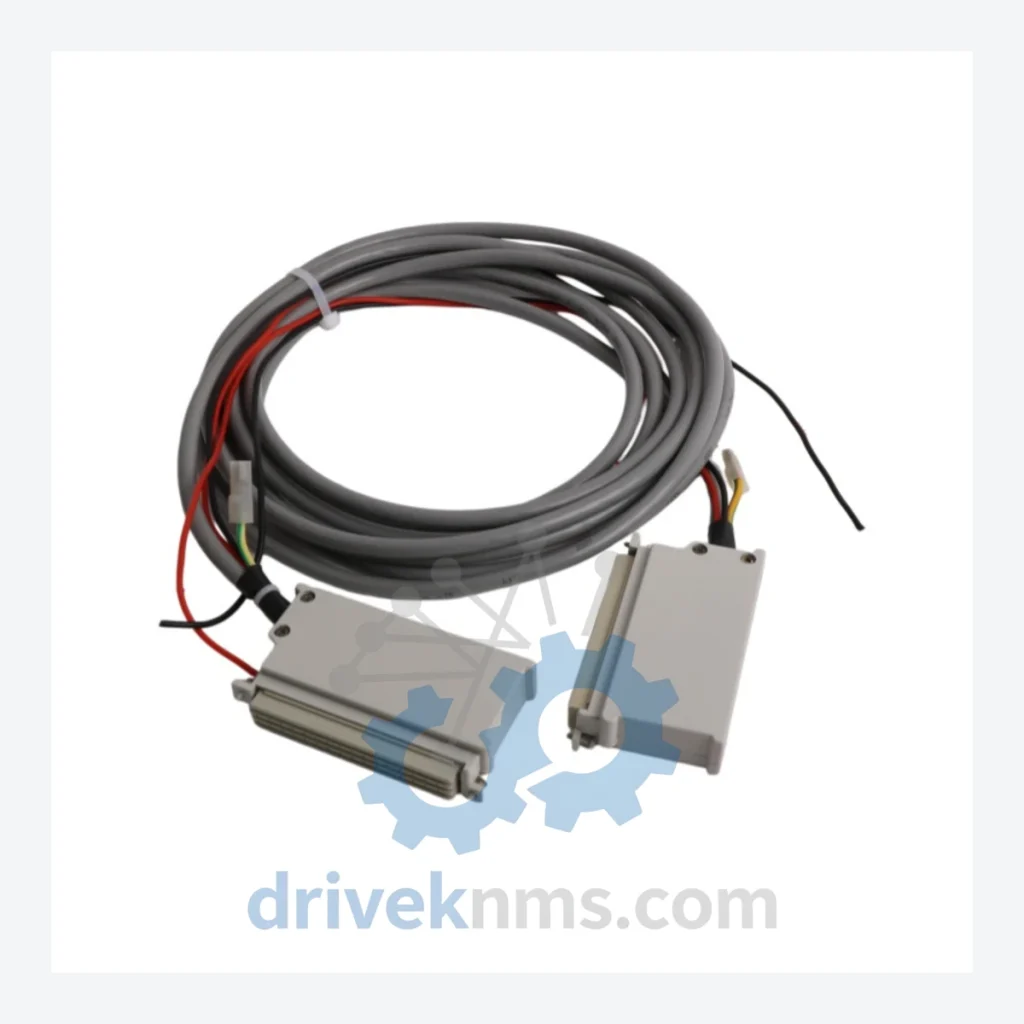
Product Overview
Commercial availability is handled through direct RFQ, model verification and export-oriented follow-up rather than public cart checkout.
Datasheet Preview
Use attached product manuals when available. If the manual is not public yet, request the full file directly through RFQ.
Commercial Path
Product pages on DRIVEKNMS are designed to verify model, brand and series first, then move the buyer into one clean quotation path.
Technical Dossier
When a safety-critical analog input module fails in a HIMA-based safety instrumented system (SIS), the consequences extend far beyond a line stoppage. For facilities running legacy HIMA architectures — particularly those built around the F3 DIO and HIMatrix platform generations — sourcing a direct replacement for the Z7127 is no longer a matter of placing a standard purchase order. HIMA has discontinued this module, and the OEM supply chain has closed.
The economic reality is straightforward: a full safety system migration to a current-generation platform — including engineering, validation, FAT/SAT testing, and regulatory re-certification — routinely costs between USD 500,000 and several million dollars per installation, with project timelines stretching 18 to 36 months. Against that backdrop, a verified Z7127 spare held in inventory is not a line item — it is an asset protection instrument.
DriveKNMS maintains allocated stock of the HIMA Z7127 sourced through controlled industrial channels. Each unit undergoes documented inspection before dispatch.
| Parameter | Detail |
|---|---|
| Manufacturer | HIMA Paul Hildebrandt GmbH |
| Part Number | Z7127 |
| Module Type | Analog Input Module |
| Country of Origin | Germany |
| Discontinuation Status | Discontinued / Obsolete – No longer available through OEM channels |
| Compatible Platform | HIMA F3 DIO Series; HIMatrix safety controllers |
| Application | Safety Instrumented Systems (SIS), process industry automation |
| Condition Available | New surplus / Professionally refurbished (QA-verified) |
Note: Electrical parameters such as input range, channel count, and signal resolution are not published here to prevent specification errors. Please contact us with your system documentation for a verified compatibility check before ordering.
The HIMA Z7127 was designed as an integral component of safety-rated control architectures in oil & gas, chemical processing, and power generation facilities. These systems were engineered for 20–30 year operational lifespans, and many remain in active service today — long after HIMA's product roadmap moved on.
The problem facing plant managers is structural: the installed base of legacy HIMA safety systems is large, the replacement hardware is gone from standard distribution, and the cost of full system modernization is prohibitive for facilities that are otherwise running reliably. A single failed Z7127 module, with no replacement available, can force a safety shutdown that triggers a cascade of regulatory, contractual, and operational consequences.
This is the specific gap DriveKNMS addresses. By maintaining inventory of discontinued HIMA modules sourced from decommissioned plant assets, controlled broker channels, and long-term storage, we provide the replacement path that the OEM no longer offers.
Facilities managing aging HIMA safety systems face a defined decision window: invest in full platform migration now, or implement a structured spare parts strategy that extends the current system's viable service life by a measurable period. For many operations, the latter is the correct financial and operational choice — provided it is executed with discipline.
1. Conduct a module-level criticality audit. Map every I/O module, processor card, and communication interface in your HIMA system against current OEM availability. Identify which components are already discontinued and which are approaching end-of-life. The Z7127 and similar analog I/O modules are typically the first failure points in aging systems due to capacitor degradation and connector wear.
2. Establish a tiered spare holding policy. For safety-critical modules with no OEM replacement path, maintain a minimum of two verified spares per installation. For non-redundant modules in single-point-of-failure positions, three units is the defensible minimum.
3. Source from verified channels only. The obsolete parts market contains a significant volume of counterfeit and misrepresented hardware. For safety system components, provenance and inspection records are non-negotiable. Require documentation of storage conditions, visual inspection results, and functional test records from any supplier.
4. Schedule proactive replacement of high-risk modules. Do not wait for failure. Electrolytic capacitors in modules manufactured in the 1990s and 2000s have a finite service life. Planned replacement during scheduled maintenance windows eliminates the unplanned failure scenario entirely.
5. Document your spare parts strategy in your safety management system. Regulatory bodies and insurance underwriters increasingly require evidence that obsolete component risk has been formally assessed and mitigated. A documented spare parts holding policy is a defensible response to that requirement.
Executed consistently, this approach extends the operational viability of a legacy HIMA safety system by 5 to 10 years — deferring a multi-million dollar migration to a point where it can be planned, budgeted, and executed on the facility's terms rather than under emergency conditions.
Every HIMA Z7127 unit dispatched by DriveKNMS passes through a five-stage inspection protocol before dispatch. This process was developed specifically for discontinued safety system hardware, where the absence of OEM support places the full burden of quality verification on the supplier.
Stage 1 – Visual and mechanical inspection: Full external examination for physical damage, connector pin condition, corrosion, and evidence of prior repair or modification. Units showing pin corrosion, burn marks, or unauthorized rework are rejected at this stage.
Stage 2 – Electrolytic capacitor assessment: Aging electrolytic capacitors are the primary failure mechanism in modules of this generation. Each unit is assessed for capacitor condition. Units with visibly bulged, leaking, or suspect capacitors are either recapped by qualified technicians or removed from inventory.
Stage 3 – Firmware and label verification: Where accessible, firmware version and hardware revision markings are recorded and cross-referenced against known production records. This step identifies units that may have been relabeled or misrepresented.
Stage 4 – Functional bench test: Units are powered and tested for basic operational response where test infrastructure permits. Results are recorded and accompany the unit on dispatch.
Stage 5 – Packaging and storage verification: Units are packed in anti-static packaging with desiccant and stored in controlled-humidity conditions. Dispatch packaging is inspected before shipment to ensure transit integrity.
What warranty applies to a discontinued module like the Z7127?
DriveKNMS provides a 90-day warranty covering functional defects identified under normal operating conditions. Given the obsolete status of this part, we recommend treating the warranty period as a commissioning verification window and maintaining a second spare in parallel.
How do I confirm the unit is genuine and not counterfeit?
Each unit we supply is accompanied by inspection documentation including photographs, hardware revision records, and test results where applicable. We do not source from unverified liquidation channels. If you require additional provenance documentation for your safety management system, contact us before ordering.
Should I buy more than one unit?
For any safety system module with no OEM replacement path, holding a minimum of two spares is standard practice. The Z7127 is no longer manufactured. Once current market stock is exhausted, no further supply will be available. Procurement managers operating under long-term asset maintenance plans should consider securing a multi-unit allocation now.
Can you source other discontinued HIMA modules?
Yes. DriveKNMS specializes in obsolete industrial automation components across multiple platforms. Contact us with your full bill of materials for a consolidated availability check.
Related Paths
Holleywell 10313/1/1 FSC Termination Module – Obsolete Safety System Spare Part When a Holleywell FSC (Fail-Safe Controller) Termination Module fails,…
ICS Triplex T9082U IEC 61131 Workbench – Obsolete Safety System Spare Part When the T9082U IEC 61131 Workbench fails in…
HIMA K9203 Fan Module: Securing Cooling Redundancy for Safety-Critical Control Systems The HIMA K9203 Fan Module is a purpose-built cooling…