
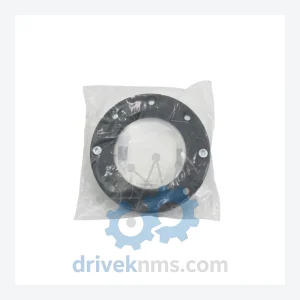
Axcelis IS0100 3407602 CPCI 32/16 Analog I/O Module – Obsolete Ion Implanter Spare Part
Axcelis IS0100 3407602 CPCI 32/16 Analog I/O Module – Obsolete Ion Implanter Spare Part When an Axcelis ion implanter goes…
Model: '17293090
Product Overview
Commercial availability is handled through direct RFQ, model verification and export-oriented follow-up rather than public cart checkout.
Datasheet Preview
Use attached product manuals when available. If the manual is not public yet, request the full file directly through RFQ.
Commercial Path
Product pages on DRIVEKNMS are designed to verify model, brand and series first, then move the buyer into one clean quotation path.
Technical Dossier
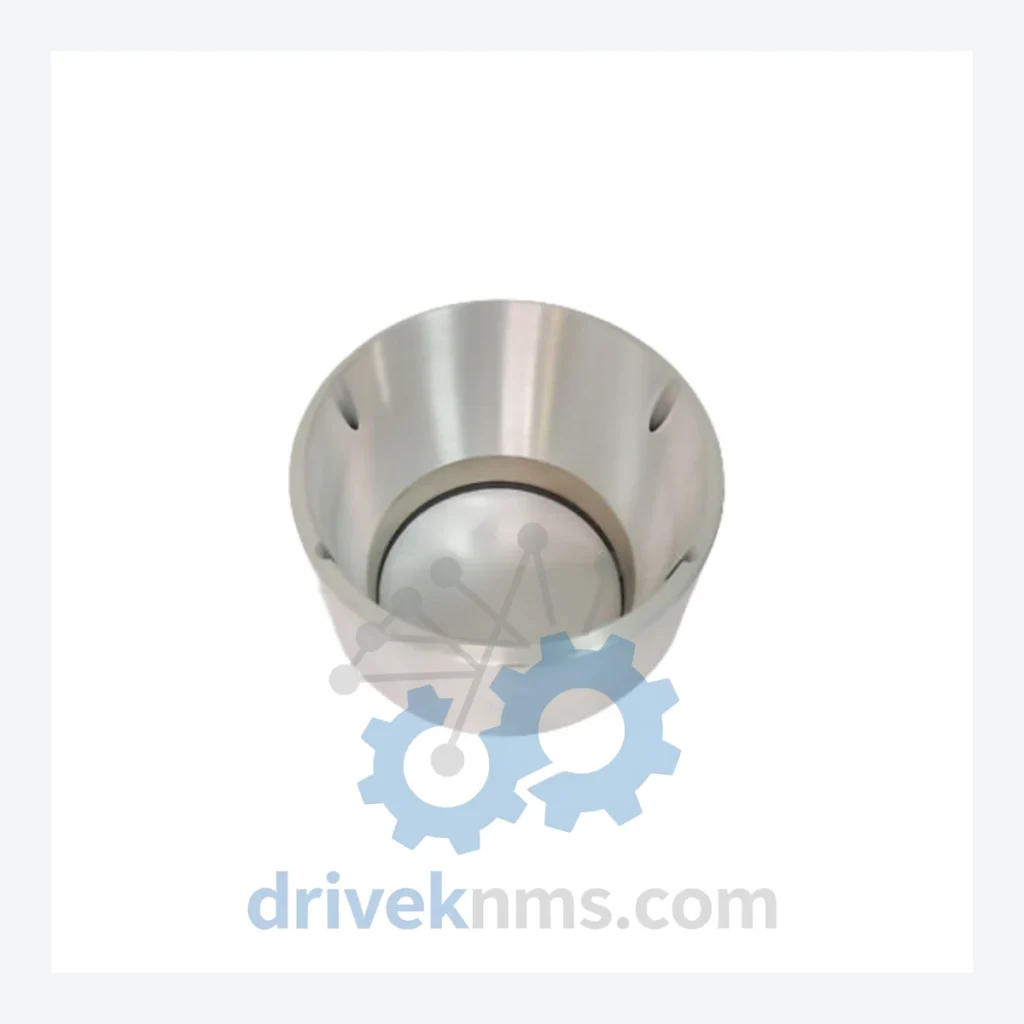
The Axcelis 17293090 is a Disk Faraday Liner/Adaptor used in Axcelis ion implantation systems. Ion implanters are among the most capital-intensive assets in semiconductor fabrication, with replacement costs for a single system routinely exceeding USD $5–15 million. When a critical beam-line or Faraday assembly component such as the 17293090 fails and no replacement is available through standard channels, the operational consequence is not a simple repair delay — it is a forced equipment retirement decision that cascades into process re-qualification, new tooling procurement, and facility downtime measured in weeks or months.
DriveKNMS maintains sourcing channels for discontinued and hard-to-find Axcelis mechanical and beam-line components. The 17293090 is no longer listed in active Axcelis distribution catalogs, making third-party specialist sourcing the primary viable path for facilities that need to keep existing implant tools running.
| Part Number | 17293090 |
| Manufacturer | Axcelis Technologies, Inc. |
| Description | Disk Faraday Liner / Adaptor |
| Application | Ion implantation beam-line assembly; Faraday cup / dose measurement subsystem |
| Country of Origin | United States |
| Lifecycle Status | Discontinued / Obsolete – no longer available through standard Axcelis distribution |
| Compatible Systems | Axcelis GSD (Genus Series), Axcelis 8250, Axcelis Optima HD/XE series (verify with engineering before installation) |
| Material Notes | Graphite or coated metal liner construction typical for Faraday disk assemblies; exact material specification should be confirmed against original BOM |
Note: Electrical parameters and dimensional tolerances are not published here to prevent misapplication. Buyers are advised to cross-reference against their system's original BOM or engineering drawings prior to ordering.
Axcelis ion implanters — particularly the GSD, 8250, and early Optima platform variants — remain in active production use at semiconductor fabs, research institutions, and compound semiconductor facilities worldwide. Many of these tools were installed in the 1990s through early 2000s and have been maintained through successive generations of process nodes. The mechanical and beam-line subassemblies on these platforms, including Faraday liners and adaptors, are subject to erosion and contamination from the ion beam environment and require periodic replacement.
The core problem facing maintenance engineers today is straightforward: Axcelis has discontinued support for older platform generations, and the OEM spare parts supply chain has dried up. The 17293090 Disk Faraday Liner/Adaptor is a component that cannot be substituted with a generic part — its geometry, material composition, and fit within the Faraday assembly are specific to the platform design. Installing an incorrect liner introduces beam measurement error, which propagates directly into dose uniformity failures and wafer yield loss.
For facilities operating these tools, the decision framework is binary: source the correct spare part and extend the tool's productive life, or retire the tool and absorb the capital expenditure of a replacement system. The cost differential between these two paths is typically measured in millions of dollars. Sourcing a verified 17293090 from a specialist supplier is not a maintenance expense — it is an asset protection decision.
Extending Automation Asset Life by 5–10 Years: A Practical Framework
DriveKNMS applies a structured inspection protocol to all obsolete and legacy spare parts prior to shipment. For mechanical components such as the Axcelis 17293090, the process addresses the specific failure modes relevant to ion implanter service environments:
Q: What warranty applies to obsolete parts sourced from DriveKNMS?
A: DriveKNMS provides a 90-day warranty against defects in material and workmanship for inspected spare parts. Warranty terms for specific items are confirmed at the time of quotation.
Q: How do I confirm the part is new or quality-refurbished?
A: Condition is disclosed at the time of quotation — new old stock (NOS), refurbished, or used-tested. We do not mix condition grades within a single order without explicit buyer acknowledgment. Supporting documentation is provided where available.
Q: Should I purchase multiple units for long-term stock?
A: For discontinued components with no known active production source, purchasing 2–3 units as a strategic reserve is standard practice in semiconductor maintenance operations. Once current market stock is depleted, re-sourcing timelines become unpredictable. Contact us to discuss volume pricing.
Q: Can DriveKNMS source other Axcelis legacy parts?
A: Yes. DriveKNMS maintains sourcing capability across multiple Axcelis platform generations. Submit your full parts list for a consolidated quotation.
Related Paths
Axcelis IS0100 3407602 CPCI 32/16 Analog I/O Module – Obsolete Ion Implanter Spare Part When an Axcelis ion implanter goes…
ALSTOM MVAJ105RA0802A Protection Relay: Supply Continuity Strategy for a Discontinued Critical Component The ALSTOM MVAJ105RA0802A is a numerical protection relay…
MOORE 16137 Series: Comprehensive Module Range and Technical Overview The MOORE 16137 Series represents a core component family within Moore…