
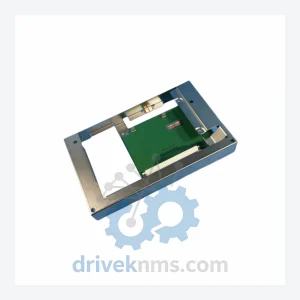
FANUC QPI Series Modules
FANUC QPI Series: Comprehensive Module Range and Technical Overview The FANUC QPI (Q-Series Panel Interface) series represents a mature, widely…
Model: A06B-2115-B805 2007-T299A660-4005-T080 A97L-0218-088610ia
Product Overview
Commercial availability is handled through direct RFQ, model verification and export-oriented follow-up rather than public cart checkout.
Datasheet Preview
Use attached product manuals when available. If the manual is not public yet, request the full file directly through RFQ.
Commercial Path
Product pages on DRIVEKNMS are designed to verify model, brand and series first, then move the buyer into one clean quotation path.
Technical Dossier
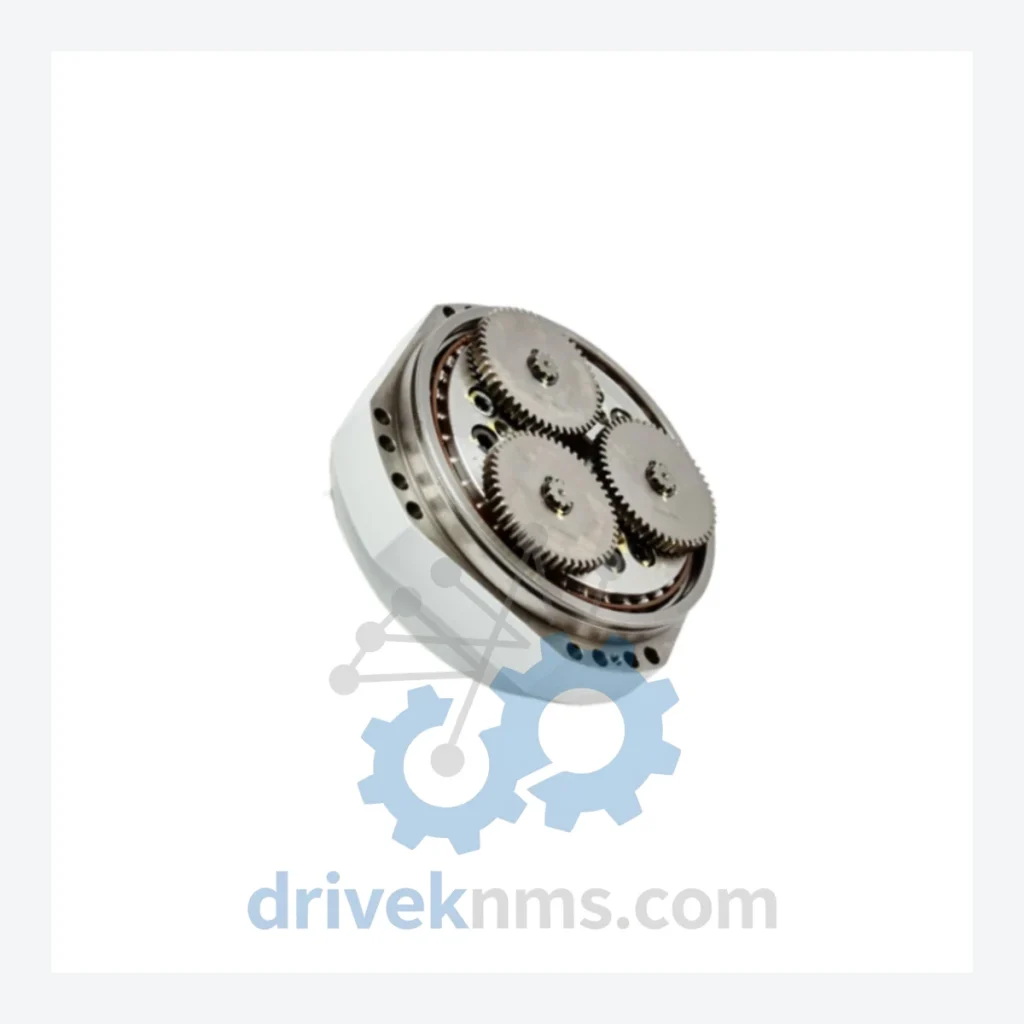
The FANUC A06B series represents one of the most widely deployed servo motor and robot drive component families in global heavy industry. Installed across petrochemical refineries, nuclear power plant maintenance robots, automotive body welding lines, and precision machining centers, the A06B designation covers FANUC's αi-series and βi-series AC servo motors along with their associated mechanical drive assemblies. The specific unit A06B-2115-B805 / 2007-T299A660-4005-T080 / A97L-0218-0886/10ia is a two-axis speed reducer assembly engineered for FANUC robot arms (R-2000iB, M-710iC, and related platforms), providing the gear reduction interface between the servo motor shaft and the robot joint axis. These assemblies are found in continuous-duty environments where mean time between failure (MTBF) requirements exceed 40,000 hours.
The A06B numbering convention was established by FANUC in the early 1980s as part of the FANUC AC Servo System architecture. The series has passed through four distinct generations. The first generation (A06B-0xxx) used analog velocity command interfaces and resolver feedback, compatible with FANUC Series 0 and Series 6 CNC controllers. The second generation introduced digital serial communication (FSSB — FANUC Serial Servo Bus) and transitioned to optical fiber links between the CNC and servo amplifier, covering the A06B-2xxx motor range paired with αSV and βSV amplifiers. The third generation (αi and βi series, mid-2000s) brought higher encoder resolution (1,000,000 pulse/rev on αi motors), integrated thermal protection, and compatibility with Series 30i/31i/32i controllers. The fourth and current generation adds functional safety (Dual Check Safety, DCS) and EtherCAT-based communication for integration with FANUC's CRX collaborative robot platform. Compatibility between generations is not automatic: A06B-2xxx motors with Ai encoders require αi-series amplifiers (A06B-6xxx); substituting earlier amplifier types will result in encoder communication faults. For robot-specific assemblies such as the A06B-2115-B805, the mechanical interface (flange pattern, shaft diameter, gear ratio) is robot-model-specific and is not interchangeable across robot families without engineering verification.
Servo Motors — αi Series
Servo Motors — βi Series
Robot Mechanical Drive Assemblies
Encoder & Feedback Units
Amplifier Modules (A06B-6xxx — paired with above motors)
The A06B-2115-B805 and related robot drive assemblies entered the mature phase of their product lifecycle as FANUC transitioned robot platforms to the R-2000iD and M-710iD lines. OEM new-stock availability from FANUC distributors is constrained, with lead times frequently exceeding 16–24 weeks for mechanical assemblies. DriveKNMS maintains a dedicated inventory of A06B series components sourced from decommissioned production lines, certified refurbishment programs, and authorized surplus channels. For obsolete encoder units such as the A97L-0218-0886 series, DriveKNMS provides encoder swap services where the pulsecoder is replaced with a functionally equivalent unit and the motor assembly is re-tested to FANUC factory torque and speed specifications before shipment. All units are supplied with full traceability documentation. Emergency same-day dispatch is available for in-stock items to minimize unplanned downtime on production-critical robot cells.
Robot-grade servo motor and speed reducer assemblies require test procedures that go beyond standard motor bench testing. DriveKNMS applies the following protocol to all A06B robot drive units: (1) Insulation resistance test at 500 VDC between winding and frame (minimum 100 MΩ); (2) No-load run-in at rated speed for 30 minutes with vibration monitoring (ISO 10816-3 Class II limits); (3) Encoder communication verification via FANUC FSSB loopback — confirming absolute position data integrity and alarm-free operation; (4) Gear reducer backlash measurement using a calibrated torque arm fixture, compared against FANUC's published backlash tolerance for the specific robot axis; (5) Brake holding torque test (where applicable) at 110% of rated holding torque; (6) Final thermal imaging scan after load run to confirm no abnormal heat distribution in windings or bearing housings. Units that fail any parameter are quarantined and not shipped. Test records are retained for 5 years and are available to customers on request.
Related Paths
FANUC QPI Series: Comprehensive Module Range and Technical Overview The FANUC QPI (Q-Series Panel Interface) series represents a mature, widely…
FANUC M-10iA Series: Comprehensive Module Range and Technical Overview The FANUC M-10iA is a compact, high-speed 6-axis articulated robot with…
Fanuc MHE2 MHE1 GLS1 Protective Film – Teach Pendant Screen Protector Spare Part A damaged or scratched teach pendant screen…