
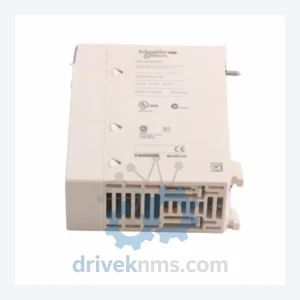
Schleicher USP Series Modules: USP2i
Schleicher USP Series: Comprehensive Module Range and Technical Overview The Schleicher USP (Universal Servo Positioning) series represents a standardized family…
Model: XCX300 XCN300E
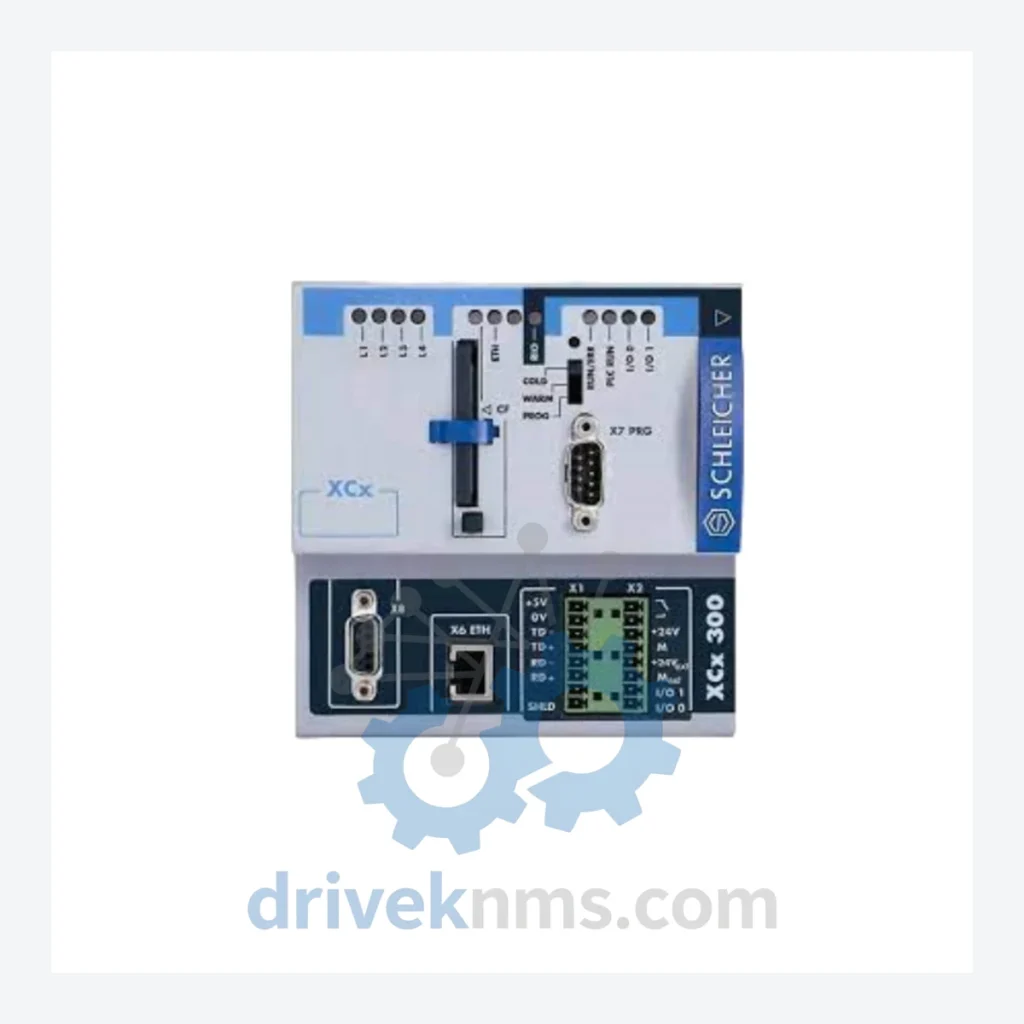
Product Overview
Commercial availability is handled through direct RFQ, model verification and export-oriented follow-up rather than public cart checkout.
Datasheet Preview
Use attached product manuals when available. If the manual is not public yet, request the full file directly through RFQ.
Commercial Path
Product pages on DRIVEKNMS are designed to verify model, brand and series first, then move the buyer into one clean quotation path.
Technical Dossier
When a Schleicher XCX300 CPU fails, the production line does not simply pause — it stops. For facilities still operating XCX-series programmable logic controllers, there is no modern drop-in equivalent. A forced migration to a current-generation control platform carries engineering costs that routinely exceed six figures: new hardware procurement, software re-engineering, I/O rewiring, operator retraining, and weeks of commissioning downtime. Against that backdrop, a verified spare CPU module is not a line item — it is a capital protection decision.
DriveKNMS maintains physical stock of the Schleicher XCX300 XCN300E CPU module. Each unit passes a structured inspection protocol before dispatch. Inventory is finite and not replenishable from the manufacturer.
| Attribute | Detail |
|---|---|
| Manufacturer | Schleicher Electronic (Germany) |
| Part Number | XCN300E |
| Platform / Series | XCX300 |
| Module Function | Central Processing Unit (CPU) |
| Country of Origin | Germany |
| Manufacturer Status | Discontinued – no longer in production |
| Typical Host System | Schleicher XCX300 PLC rack-based control systems |
| Condition Available | New surplus / Professionally refurbished (see QA section) |
Note: Electrical parameters such as bus cycle time, memory capacity, and I/O addressing range are model-revision dependent. DriveKNMS does not publish unverified specifications. Contact us with your exact revision label for confirmed data.
Schleicher's XCX300 platform was deployed extensively across European and Asian manufacturing facilities through the 1990s and 2000s — particularly in packaging machinery, textile equipment, and precision assembly lines. The XCN300E CPU served as the computational core of these systems, managing program execution, I/O coordination, and inter-module communication across the XCX backplane.
Schleicher Electronic ceased active production of this series. No authorized new-build units exist in the supply chain. When the CPU fails, the entire rack — including functional I/O modules, power supplies, and field wiring — becomes inoperable. Replacing the full system means replacing infrastructure that was engineered, installed, and validated over years of operation.
The economic argument for sourcing a replacement CPU rather than replacing the system is straightforward. A full control system migration on a mid-size production line typically involves: hardware costs of USD 40,000–150,000, engineering and integration labor of 800–2,000 hours, production downtime of 3–8 weeks, and revalidation or recertification costs where applicable. A single verified XCN300E CPU, properly sourced and installed, eliminates all of the above. For plant managers operating under capital expenditure constraints or facing regulatory barriers to system changes, this is the only viable path.
Facilities that have extended the life of XCX300-based systems by 5–10 years beyond the manufacturer's end-of-life date have done so through a consistent strategy: maintaining a minimum of one cold-spare CPU, auditing I/O module condition annually, and sourcing replacement units from specialist distributors before failure occurs rather than after. Reactive procurement of obsolete parts under production pressure is the most expensive way to buy them.
DriveKNMS applies a five-stage inspection protocol to all obsolete CPU modules before they are offered for sale.
Stage 1 – Visual and Mechanical Inspection: Physical examination of the housing, connector pins, and PCB surface. Units with cracked housings, bent pins, or visible PCB damage are rejected at intake.
Stage 2 – Electrolytic Capacitor Assessment: Aging electrolytic capacitors are the primary failure mode in legacy CPU boards. Each board is inspected for capacitor bulging, leakage residue, and ESR deviation. Where degradation is confirmed, capacitors are replaced with specification-matched components before the unit proceeds.
Stage 3 – Firmware and Memory Verification: Where tooling permits, firmware revision is read and logged. Units are checked for memory corruption indicators. Firmware version is disclosed to the buyer prior to shipment.
Stage 4 – Pin and Contact Corrosion Check: Backplane connector pins are inspected under magnification for oxidation and corrosion. Affected contacts are treated with appropriate contact cleaner; severely corroded units are rejected.
Stage 5 – Functional Power-On Test: Where test fixtures are available for the specific model, units undergo a power-on verification cycle. Test results are documented and available on request.
The XCN300E CPU is a direct hardware replacement for the original module position in the XCX300 rack. Installation does not require modifications to the backplane, field wiring, or I/O module configuration. The existing application program, stored in the PLC's memory or on a backup medium, loads without modification. There is no requirement to engage a controls engineer for software adaptation, and no need to reconfigure field devices or HMI communications.
This drop-in replacement characteristic is the defining advantage of sourcing the original part number. Engineering firms that have attempted cross-brand CPU substitutions in XCX300 racks have encountered incompatible bus protocols, address mapping conflicts, and instruction set gaps that required partial or full program rewrites — negating the cost savings of the alternative hardware. The original XCN300E avoids all of these risks.
For facilities managing multiple XCX300 installations, DriveKNMS can discuss volume procurement and long-term spare part reservation arrangements. Holding two to three CPU units in climate-controlled storage is a standard asset protection practice for systems with no planned replacement horizon.
What warranty applies to an obsolete CPU module?
DriveKNMS provides a 90-day warranty covering functional defects identified under normal operating conditions. Warranty terms for refurbished units are confirmed in writing prior to purchase. Extended warranty arrangements are available for volume orders.
How do I confirm the unit is new surplus versus refurbished?
Each unit is classified at intake and the condition is disclosed in the sales documentation. New surplus units retain original manufacturer labeling and show no evidence of prior installation. Refurbished units are identified as such, with a summary of work performed provided on request.
Should I buy more than one unit?
For any XCX300 system without a planned replacement date within the next three years, holding at least one cold-spare CPU is the minimum prudent position. Lead times for obsolete parts are unpredictable. A unit available today may not be available in six months. The cost of a spare CPU is a fraction of one day of unplanned production downtime.
Can you source other XCX300 series modules?
DriveKNMS specializes in obsolete and hard-to-find industrial automation components. Contact us with your full bill of materials for the XCX300 system and we will advise on availability across the complete module range.
Related Paths
Schleicher USP Series: Comprehensive Module Range and Technical Overview The Schleicher USP (Universal Servo Positioning) series represents a standardized family…
Schleicher SCTUST21 Motion Controller Module – Obsolete Quantum Series Spare Part When a Schleicher SCTUST21 module fails inside a Quantum-series…
SCHLEICHER XCX300 / XCS300 Series: Comprehensive Module Range and Technical Overview The SCHLEICHER XCX300 and XCS300 series represent a mature,…