
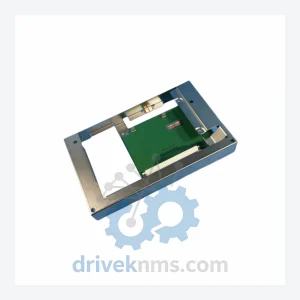
FANUC QPI Series Modules
FANUC QPI Series: Comprehensive Module Range and Technical Overview The FANUC QPI (Q-Series Panel Interface) series represents a mature, widely…
Model: R-2000iBJ5¡¢J6 R-2000iB
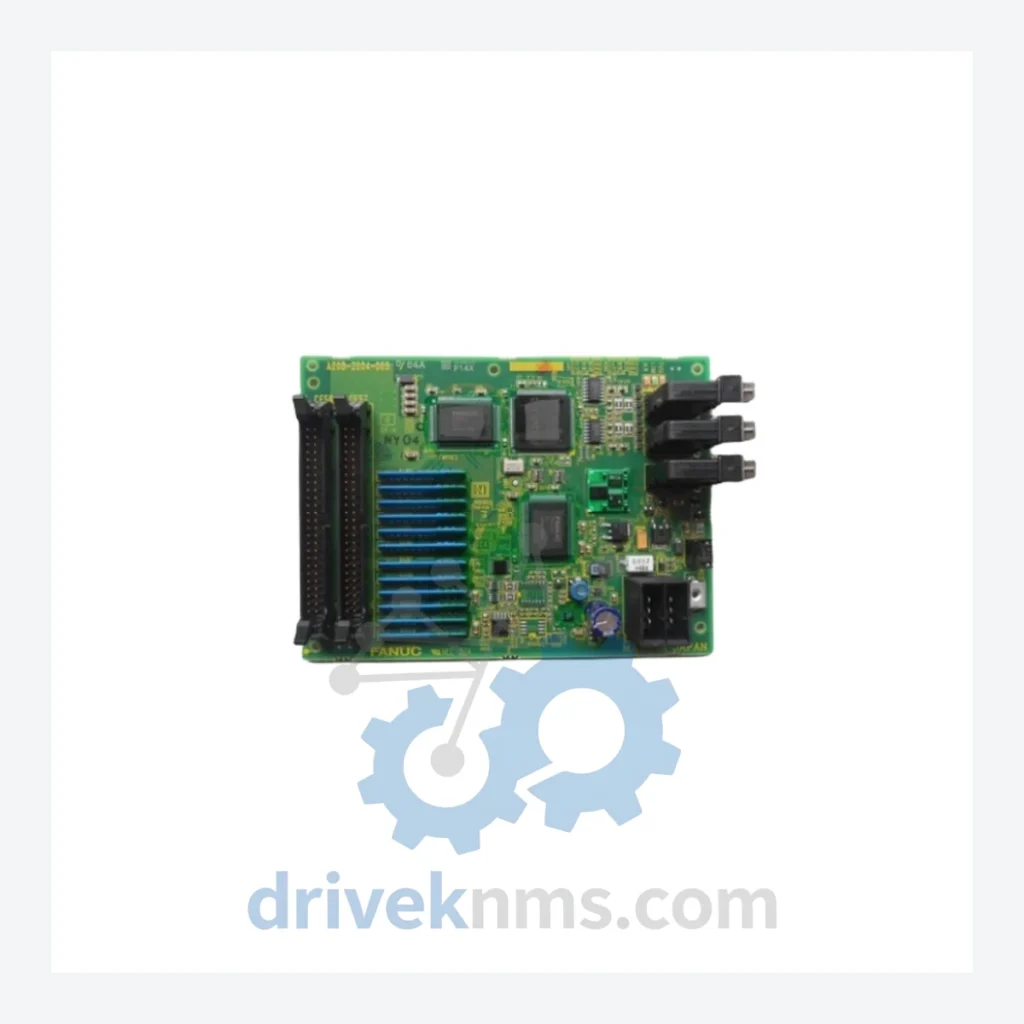
Product Overview
Commercial availability is handled through direct RFQ, model verification and export-oriented follow-up rather than public cart checkout.
Datasheet Preview
Use attached product manuals when available. If the manual is not public yet, request the full file directly through RFQ.
Commercial Path
Product pages on DRIVEKNMS are designed to verify model, brand and series first, then move the buyer into one clean quotation path.
Technical Dossier
When a FANUC R-2000iB/J5/J6 Toploader Robot unit fails on an active production line, the consequences extend far beyond the cost of the part itself. A full line migration to a current-generation robot platform — including mechanical re-integration, PLC reprogramming, safety recertification, and operator retraining — routinely runs into the hundreds of thousands of dollars, and in high-throughput automotive or heavy manufacturing environments, the figure climbs higher still. The R-2000iB series has been out of active production for years. OEM support channels are closed. Authorized service depots no longer carry stock. For plant managers and maintenance engineers still running R-2000iB-based cells, the only viable path to avoiding a forced capital expenditure is securing a verified replacement unit from a specialist supplier.
DriveKNMS maintains a limited inventory of FANUC R-2000iB/J5/J6 Toploader units sourced through controlled industrial channels. Each unit is processed through our in-house QA protocol before release. Stock is finite and not replenishable through standard procurement routes.
| Parameter | Detail |
|---|---|
| Manufacturer | FANUC Corporation |
| Series | R-2000iB |
| Variant | J5 / J6 Toploader |
| Country of Origin | Japan |
| OEM Status | Discontinued – No longer in active production |
| Typical Application | Toploader material handling, press tending, heavy payload transfer |
| Compatible Controllers | FANUC R-30iA, R-30iB (verify against your cell configuration) |
| Note | Electrical and mechanical parameters vary by sub-variant. Confirm your exact configuration before ordering. |
The FANUC R-2000iB series was a workhorse of heavy-payload automation through the 2000s and early 2010s. It was deployed extensively in automotive body shops, foundry lines, and large-format press-tending cells — environments where the robot's reach, payload capacity, and toploader geometry were matched to the physical constraints of the line. Replacing it is not a matter of swapping in a newer model. The R-2000iB/J5/J6 Toploader configuration has a specific mounting geometry and wrist orientation that later R-2000iC and R-2000iD variants do not replicate without mechanical modification to the end-of-arm tooling, the cell guarding, and in many cases the conveyor interface.
For a plant running three or four of these cells, a forced upgrade is a multi-year capital project. The engineering hours alone — path reprogramming, collision zone reconfiguration, safety PLC updates — represent a cost that no maintenance budget absorbs quietly. The rational alternative, for any operation with a 5-to-10-year horizon on the existing line, is to maintain a verified spare unit on the shelf. One unit in reserve eliminates the risk of an unplanned line stoppage becoming a forced modernization event.
This is not a theoretical risk. Lead times for engineering-led robot cell upgrades routinely run 12 to 18 months from project approval to production restart. A spare R-2000iB/J5/J6 unit, properly stored and verified, converts that exposure into a 48-to-72-hour swap-and-restart scenario.
Every R-2000iB/J5/J6 unit released by DriveKNMS passes a structured 5-step inspection protocol developed specifically for legacy industrial robots:
Condition grade and any noted findings are disclosed in writing prior to order confirmation. We do not ship units with undisclosed defects.
Factory managers facing pressure to retire R-2000iB-based cells often underestimate the practical options available before a full replacement becomes unavoidable. The following strategy has been applied successfully across multiple facilities running legacy FANUC infrastructure:
1. Identify your single points of failure. In any R-2000iB cell, the robot unit itself is typically the hardest component to source. Controllers, teach pendants, and servo amplifiers have broader aftermarket availability. Prioritize securing a spare robot unit first.
2. Audit capacitor health in your existing units. Electrolytic capacitors in servo drives have a finite service life, typically 10–15 years under normal operating conditions. Proactive replacement of aged capacitors in your running units — a low-cost maintenance task — eliminates the most common cause of sudden servo drive failure in legacy robots.
3. Maintain firmware documentation. Record the exact firmware version running on each controller in your facility. When sourcing replacement units or drives, this information is essential for confirming compatibility and avoiding integration failures.
4. Establish a formal spare parts reserve. A single verified spare robot unit, stored in a climate-controlled environment with axis brakes engaged and connectors capped, will remain serviceable for 10 or more years. The carrying cost of that spare is a fraction of one day of unplanned line downtime.
5. Negotiate long-term supply agreements with specialist distributors. As legacy inventory tightens globally, pricing and availability will deteriorate. Securing units now, at current market rates, is a straightforward hedge against future scarcity.
These measures, taken together, extend the viable service life of an R-2000iB-based cell by 5 to 10 years without capital expenditure on new equipment.
Q: What warranty applies to a discontinued robot unit?
A: DriveKNMS provides a 90-day warranty covering defects identified during our QA process. Warranty terms are confirmed in writing at the time of order. Extended coverage options are available on request.
Q: How do I confirm the unit is new or quality-refurbished?
A: Condition grade — new surplus, tested used, or refurbished — is disclosed before order confirmation. We provide inspection documentation and, where available, photographic records of the unit's condition.
Q: Can I order multiple units for long-term reserve stock?
A: Yes. We recommend customers with multiple R-2000iB cells consider securing at least one spare unit per cell cluster. Contact us to discuss volume availability and staged delivery options.
Q: How is the unit packaged for international shipment?
A: Units are packaged in industrial crating with axis locks engaged and connector protection fitted. Export documentation is prepared in compliance with the destination country's import requirements.
Q: What is the lead time?
A: Lead time depends on current stock status. Contact us directly for a real-time availability confirmation before committing to a project timeline.
Related Paths
FANUC QPI Series: Comprehensive Module Range and Technical Overview The FANUC QPI (Q-Series Panel Interface) series represents a mature, widely…
FANUC M-10iA Series: Comprehensive Module Range and Technical Overview The FANUC M-10iA is a compact, high-speed 6-axis articulated robot with…
Fanuc MHE2 MHE1 GLS1 Protective Film – Teach Pendant Screen Protector Spare Part A damaged or scratched teach pendant screen…