
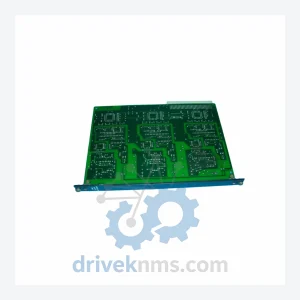
GE IS200 Modules | IS200BPIBG1AEB Driver Board
GE IS200 Series: Comprehensive Module Range and Technical Overview The GE IS200 series constitutes the core I/O, control, and communication…
Model: IS220PD0AH1A
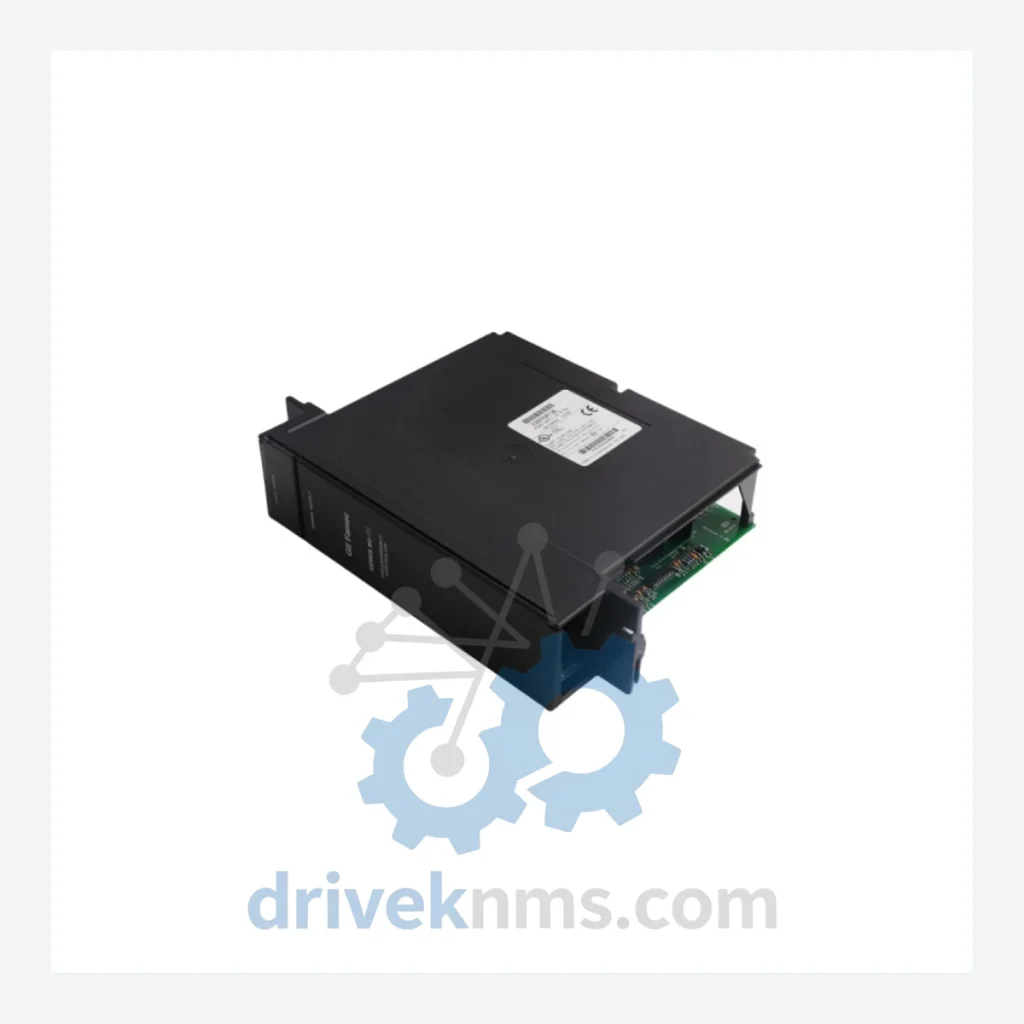
Product Overview
Commercial availability is handled through direct RFQ, model verification and export-oriented follow-up rather than public cart checkout.
Datasheet Preview
Use attached product manuals when available. If the manual is not public yet, request the full file directly through RFQ.
Commercial Path
Product pages on DRIVEKNMS are designed to verify model, brand and series first, then move the buyer into one clean quotation path.
Technical Dossier
The GE IS220 series represents the I/O and control module backbone of the GE Mark VIe Distributed Control System (DCS), the industry-standard turbine management platform deployed across gas turbines, steam turbines, combined-cycle power plants, nuclear auxiliary systems, offshore platforms, and large-scale petrochemical facilities. Installations span six continents, with active deployments in refineries operated by Shell, ExxonMobil, Saudi Aramco, and CNOOC, as well as nuclear auxiliary control applications in regulated facilities across the United States, France, and South Korea. The IS220 module family provides the physical interface layer between the Mark VIe controller backplane and field instrumentation, executing real-time I/O scanning at deterministic cycle rates critical to turbine protection logic.
The IS220 series was introduced as part of the Mark VIe platform launch in the early 2000s, succeeding the Mark VI (IS200 series) and Mark V (DS200 series) generations. The architectural shift from Mark VI to Mark VIe introduced a transition from proprietary IONET backplane communication to an Ethernet-based IONet topology, enabling higher bandwidth I/O scanning and simplified network diagnostics. IS220 modules are designed for the UCSC/UCSC1 controller chassis and communicate via the IONet Ethernet bus, distinguishing them from the older IS200 series which used a parallel backplane bus.
Compatibility considerations are significant for maintenance engineers: IS220 modules are not backward-compatible with Mark VI (IS200) chassis without a full controller and backplane upgrade. Within the IS220 family, firmware revisions must be matched to the Mark VIe controller software version (ToolboxST release). Modules manufactured before 2010 may require firmware re-flashing when integrated into systems running ToolboxST 05.02 or later. As of 2024, GE Vernova (the successor entity to GE Power) has classified several IS220 variants as Last Time Buy (LTB) or End of Life (EOL), making third-party MRO sourcing the primary procurement channel for ongoing maintenance.
The following SKUs represent verified, commonly deployed modules within the GE IS220 series. Modules are classified by functional category.
Pulse / Digital Input Modules
Analog Input Modules
Analog Output Modules
Digital Input Modules
Digital Output Modules
Communication & Processor Modules
Power Supply Modules
DriveKNMS maintains a dedicated inventory program for GE IS220 series modules, with particular focus on variants classified as EOL or LTB by GE Vernova. For facilities operating Mark VIe systems installed between 2003 and 2015, the IS220 module population is entering a critical maintenance window: OEM lead times for new production units now exceed 26–52 weeks where available, and many part numbers have been formally discontinued. DriveKNMS sources IS220 modules through a verified network of decommissioned plant asset liquidations, authorized surplus distributors, and factory-refurbished stock channels. All units are serialized, and provenance documentation is available upon request for regulated facility procurement requirements. Emergency same-day quotation is available for critical plant outage scenarios.
IS220 modules present specific test challenges due to their IONet Ethernet bus interface and multi-channel I/O architecture. DriveKNMS applies a structured test protocol for each IS220 unit processed through its facility. Each module undergoes backplane bus communication verification using a Mark VIe-compatible test chassis to confirm IONet enumeration and module identity handshake. Channel-level functional testing is performed for all I/O types: analog channels are verified against a calibrated signal source traceable to NIST standards; digital channels are exercised through full ON/OFF state cycling; pulse input channels are tested with a precision frequency generator across the operational range (0–20 kHz). Modules with onboard firmware are version-checked and updated where applicable. Final inspection includes visual examination of the backplane connector pins, conformal coating integrity, and capacitor condition assessment. A test report is issued with each unit shipped.
Related Paths
GE IS200 Series: Comprehensive Module Range and Technical Overview The GE IS200 series constitutes the core I/O, control, and communication…
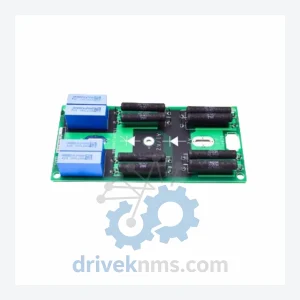
GE IS200 Series: Comprehensive Module Range and Technical Overview The GE IS200 series is the core I/O and control module…
GE IS215 Series: Comprehensive Module Range and Technical Overview The GE IS215 series represents a core hardware family within GE's…