
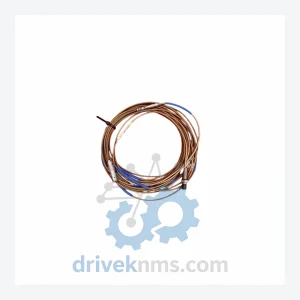
EPRO PR6423/003-030-CN CON021 Vibration Sensor – Obsolete PR6423 Series Spare Part
EPRO PR6423/003-030-CN CON021 Vibration Sensor – Obsolete PR6423 Series Spare Part When a vibration monitoring channel fails on a turbine,…
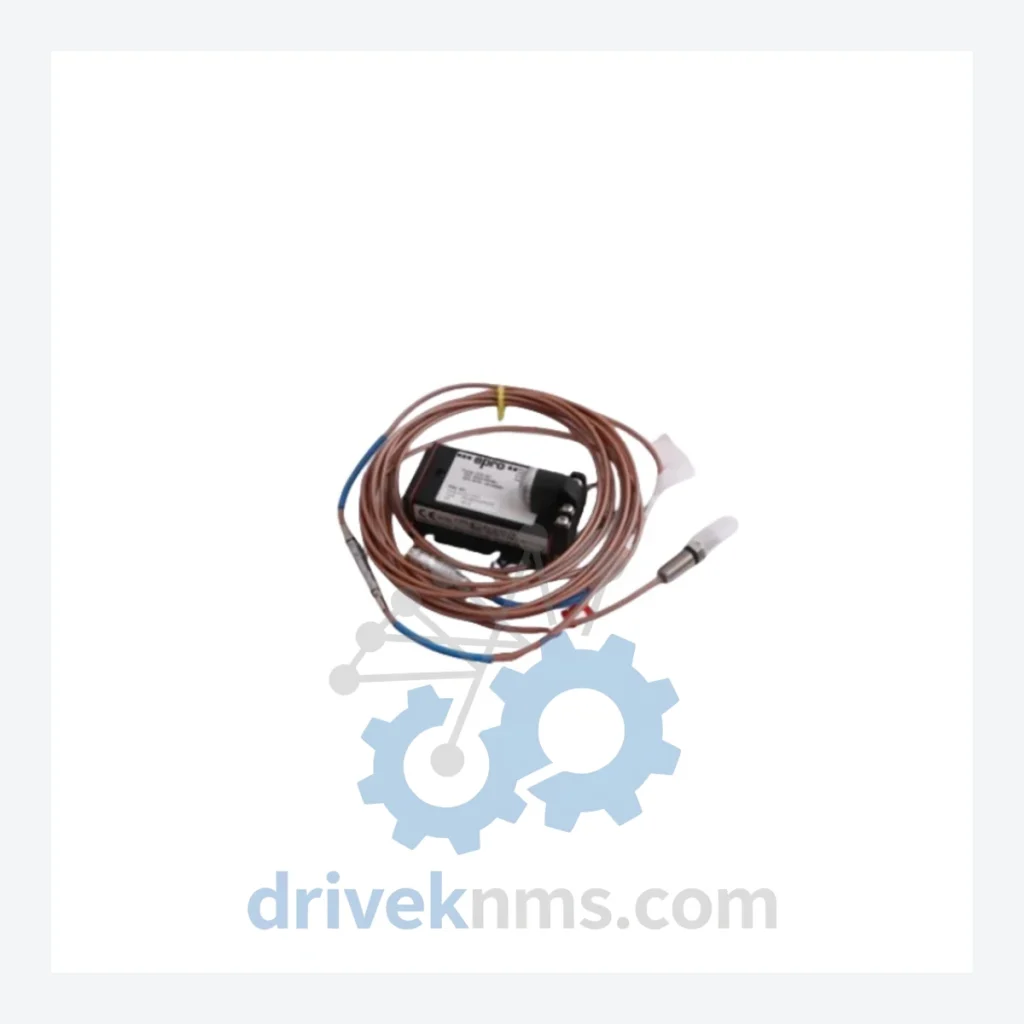
Model: PR6425/010-100 CON021
Product Overview
Commercial availability is handled through direct RFQ, model verification and export-oriented follow-up rather than public cart checkout.
Datasheet Preview
Use attached product manuals when available. If the manual is not public yet, request the full file directly through RFQ.
Commercial Path
Product pages on DRIVEKNMS are designed to verify model, brand and series first, then move the buyer into one clean quotation path.
Technical Dossier
The EPRO PR6425 series is a family of eddy-current proximity sensors and extension cables manufactured by EPRO GmbH (now part of Baker Hughes / Bently Nevada ecosystem). These sensors are deployed globally in heavy industrial environments including petrochemical refineries, nuclear power stations, offshore platforms, and rotating machinery protection systems. The PR6425 series is specifically engineered for non-contact displacement and vibration measurement on rotating shafts, making it a critical component in turbine protection, compressor monitoring, and balance-of-plant machinery health systems. Its compatibility with EPRO MMS 6000 and MMS 3000 series monitors, as well as legacy Bently Nevada 3300 series systems, has cemented its position as a long-term standard in continuous machinery protection infrastructure.
The PR6425 series was introduced as part of EPRO's second-generation eddy-current sensor platform, succeeding earlier PR6422 and PR6423 designs. The core operating principle — electromagnetic eddy-current induction for non-contact gap measurement — has remained consistent, but the series has evolved across three distinct architectural generations.
The first generation established the 5mm and 8mm tip diameter form factors with integral cable designs, targeting low-frequency radial vibration and axial position measurement. The second generation introduced the modular connector interface (CON0xx suffix), decoupling the sensor tip from the extension cable and allowing field replacement of individual components without disturbing the machine installation. This modularity became the defining characteristic of the PR6425 platform and is the basis for the CON021 connector standard used in the PR6425/010-100 CON021.
The third generation addressed EMI shielding requirements for high-voltage environments and introduced extended temperature ratings for applications near steam turbine casings. Compatibility between generations is maintained at the signal level (4–20 mA or voltage output), but physical connector types differ between CON011, CON021, and CON031 variants, requiring attention during cross-generation replacement. As of 2024, the PR6425 series is in the mature/end-of-active-production phase; EPRO's current active platform is the PR6426 series. Long-term maintenance and spare parts support for PR6425 installations remains commercially available through authorized distributors and specialist suppliers.
The following SKUs represent the documented PR6425 series range, classified by function. All models listed are verified members of the PR6425 platform.
Proximity Sensor Tips — 8mm Diameter
Proximity Sensor Tips — 5mm Diameter
Extension Cables
Driver / Signal Conditioning Modules
The PR6425 series entered the mature phase of its product lifecycle as EPRO transitioned active development to the PR6426 platform. However, the installed base of PR6425 sensors across global petrochemical and power generation facilities remains substantial, and direct replacement with PR6426 components is not always feasible without recalibration of the associated monitor channel.
The PR6425 sensor tip and extension cable assembly presents specific test challenges due to the precision of the eddy-current gap calibration and the signal integrity requirements of the coaxial cable path. DriveKNMS applies the following test protocol to all PR6425 units processed through our facility:
All test records are retained and available upon request with each shipment.
Related Paths
EPRO PR6423/003-030-CN CON021 Vibration Sensor – Obsolete PR6423 Series Spare Part When a vibration monitoring channel fails on a turbine,…
EPRO PR6400 Series: Comprehensive Module Range and Technical Overview The EPRO PR6400 series is a family of eddy-current displacement measurement…
EPRO PR6423/100-141 CON041 Eddy Current Sensor: Global Sourcing Strategy & Asset Return Value Under Supply Chain Constraints The EPRO PR6423/100-141…