
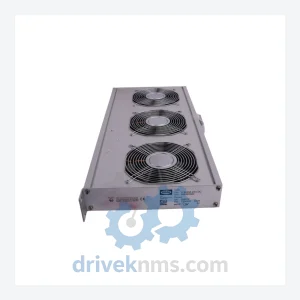
HIMA K9203 Fan Module – Safety System Cooling Unit
HIMA K9203 Fan Module: Securing Cooling Redundancy for Safety-Critical Control Systems The HIMA K9203 Fan Module is a purpose-built cooling…
Model: K9202
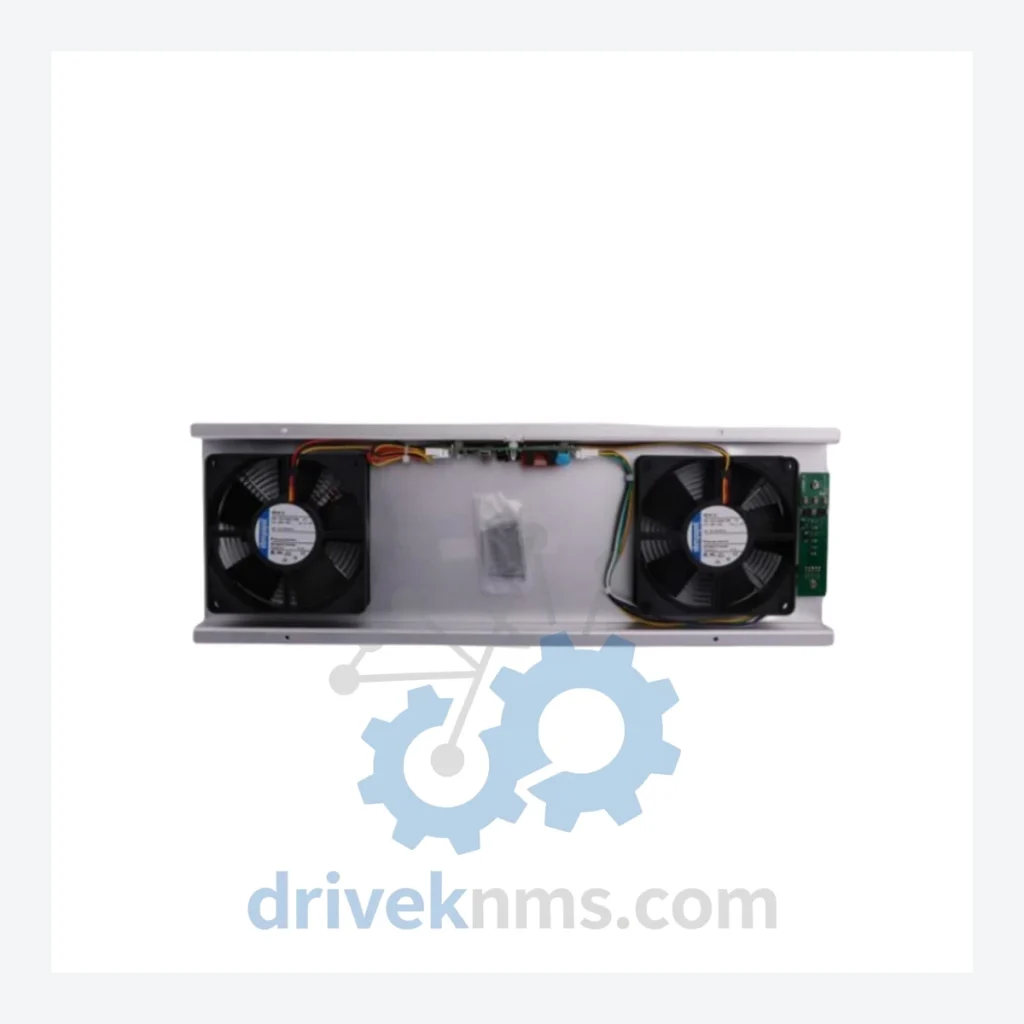
Product Overview
Commercial availability is handled through direct RFQ, model verification and export-oriented follow-up rather than public cart checkout.
Datasheet Preview
Use attached product manuals when available. If the manual is not public yet, request the full file directly through RFQ.
Commercial Path
Product pages on DRIVEKNMS are designed to verify model, brand and series first, then move the buyer into one clean quotation path.
Technical Dossier
The HIMA K Series represents one of the most widely deployed safety-rated hardware platforms in global heavy industry. Installed across petrochemical complexes, nuclear power stations, offshore platforms, and refinery control rooms, K Series components form the physical backbone of HIMA's HIMax and HIMatrix safety system architectures. The series encompasses power supply units, I/O modules, communication adapters, CPU processors, and auxiliary cabinet hardware — all manufactured to IEC 61508 SIL 2/3 requirements. Installed base spans facilities operated by major EPC contractors and national energy utilities across Europe, the Middle East, Asia-Pacific, and the Americas. The K9202 Cabinet Roof Fan is a representative auxiliary component within this ecosystem, providing forced-air thermal management for K Series controller cabinets in high-ambient-temperature environments.
HIMA's K Series hardware lineage traces to the early 1990s, when the company standardized its safety PLC backplane around a modular card-cage format compatible with both HIMax (large-scale, rack-based) and HIMatrix (compact, distributed) topologies. Early K Series modules used parallel backplane buses with proprietary HIMA SafeEthernet protocol for inter-module communication. Mid-generation revisions introduced hot-swap capability and redundant power paths, enabling online replacement without process shutdown — a critical requirement for continuous-process industries. Later iterations aligned with IEC 61784-3 functional safety communication standards and introduced fiber-optic inter-rack links. The K9202 and related cabinet accessories were introduced to address thermal management requirements as module density increased in later HIMax configurations. Compatibility between K Series generations is governed by HIMA's hardware compatibility matrix; cross-generation substitution requires engineering validation. The series is now in a mature/sustained phase: HIMA continues to supply spare parts and provide lifecycle support, but new installations predominantly use the HIMax X platform. Long-term maintenance customers should establish a strategic spare parts inventory to mitigate lead-time risk on discontinued sub-variants.
The following SKUs represent verified, commonly stocked components within the HIMA K Series hardware range, organized by functional category:
Power Supply Modules
CPU / Controller Modules
Digital Input (DI) Modules
Digital Output (DO) Modules
Analog Input (AI) Modules
Communication & Adapter Modules
Cabinet Auxiliary Hardware
HIMA K Series modules incorporate multi-layer diagnostic architecture at the hardware level, including watchdog circuits, CRC-verified backplane communication, and self-test routines executed at power-on and during runtime. DriveKNMS applies a structured incoming inspection protocol to all K Series units prior to sale. Visual inspection covers PCB condition, connector pin integrity, conformal coating status, and label legibility. Functional testing for I/O modules uses a dedicated HIMA-compatible test rack that exercises each channel against known reference signals, verifying response time, accuracy, and diagnostic alarm behavior. CPU modules undergo a full boot sequence test with logic load simulation. Communication modules are tested for protocol handshake, data throughput, and error-frame rejection. Cabinet auxiliary hardware — including the K9202 roof fan — is tested for motor continuity, rated voltage operation, airflow output, and bearing noise signature. Units that fail any test criterion are quarantined and not offered for sale. Test records are retained and available to customers on request.
Related Paths
HIMA K9203 Fan Module: Securing Cooling Redundancy for Safety-Critical Control Systems The HIMA K9203 Fan Module is a purpose-built cooling…
HIMA ZI006 Input Module – Obsolete F3 Series Spare Part When a HIMA ZI006 input module fails in an active…
HIMA HIMATRIX F30 01 Safety Controller: Global Sourcing Strategy & Asset Return Value The HIMA HIMATRIX F30 01 is a…