
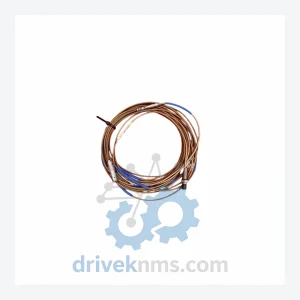
EPRO PR6423/003-030-CN CON021 Vibration Sensor – Obsolete PR6423 Series Spare Part
EPRO PR6423/003-030-CN CON021 Vibration Sensor – Obsolete PR6423 Series Spare Part When a vibration monitoring channel fails on a turbine,…
Model: MMS6831
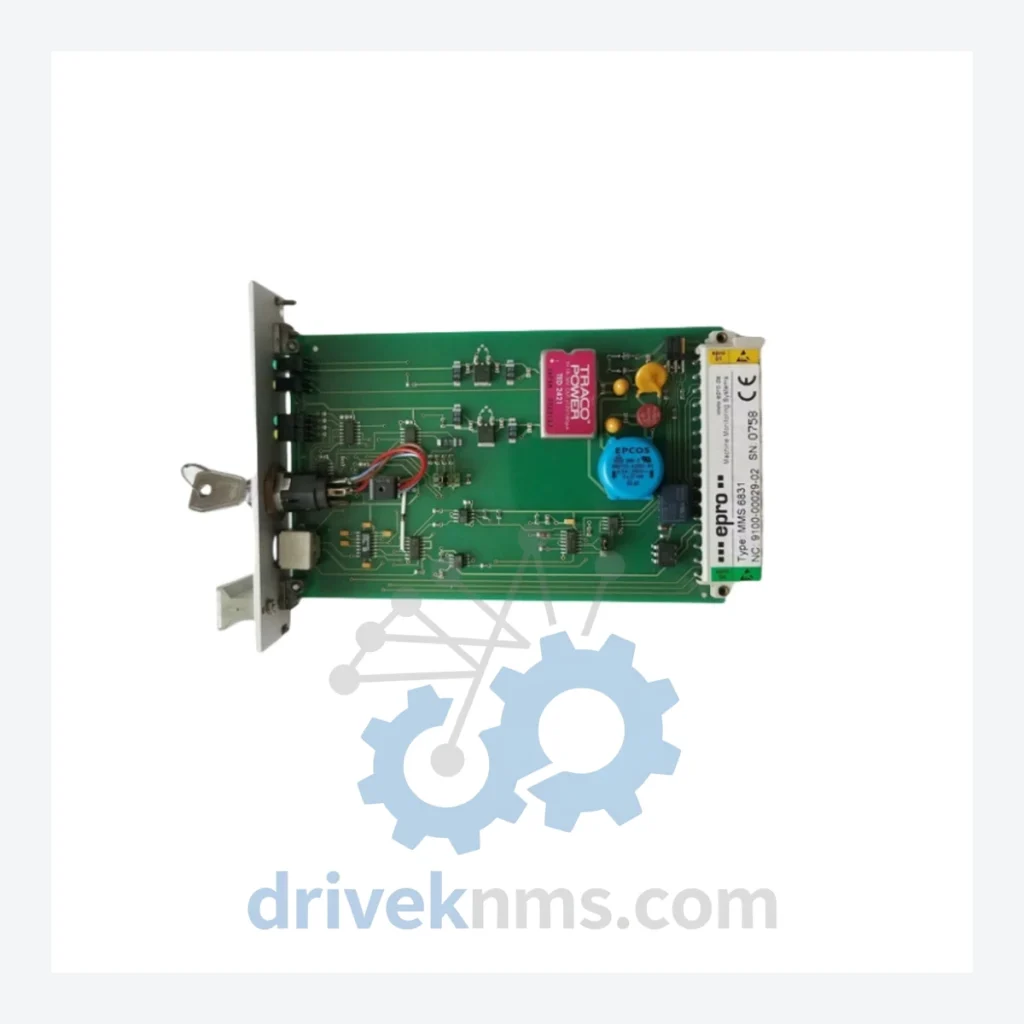
Product Overview
Commercial availability is handled through direct RFQ, model verification and export-oriented follow-up rather than public cart checkout.
Datasheet Preview
Use attached product manuals when available. If the manual is not public yet, request the full file directly through RFQ.
Commercial Path
Product pages on DRIVEKNMS are designed to verify model, brand and series first, then move the buyer into one clean quotation path.
Technical Dossier
The EPRO MMS (Machinery Monitoring System) series is a purpose-engineered platform for continuous vibration, speed, and position monitoring in heavy industrial environments. Deployed across petrochemical refineries, nuclear power stations, offshore platforms, and large-scale rotating machinery installations, the MMS series forms the backbone of machinery protection systems (MPS) in facilities where unplanned downtime carries multi-million-dollar consequences. EPRO, a brand under Baker Hughes (formerly GE Measurement & Control), has established the MMS series as a globally recognized standard for API 670-compliant machinery protection. The platform supports both standalone rack-based configurations and integration with distributed control systems (DCS) via standard communication protocols.
The EPRO MMS series originated as a modular, rack-mounted instrumentation platform designed to replace hardwired relay-based protection systems in the 1980s and 1990s. Early generations focused on single-channel vibration and speed monitoring with analog 4–20 mA output signals. As industrial automation matured, the MMS architecture evolved to incorporate digital communication buses, enabling integration with SCADA and DCS platforms via Modbus RTU, PROFIBUS DP, and later OPC-UA.
The transition from MMS 3000 to MMS 6000 series marked a significant architectural shift: the introduction of a backplane-based modular chassis allowed mixed I/O configurations within a single rack, reducing panel footprint and wiring complexity. The MMS 6000 series introduced dedicated interface cards (such as the MMS6831) to bridge the monitoring rack with external control systems, replacing the need for discrete signal converters. Later revisions added redundant power supply options and hot-swap capability for critical applications. Many MMS 3000-generation modules have reached end-of-life (EOL) status, while MMS 6000 series modules remain in active production or extended support phases. Compatibility between generations requires careful verification of backplane bus versions and firmware revisions.
The following SKUs represent verified, commonly deployed modules within the EPRO MMS series. Modules are classified by functional category:
Interface & Communication Cards
Vibration Monitoring Modules
Power Supply Modules
I/O and Signal Conditioning
Chassis / Rack
A significant portion of the global MMS installed base consists of modules that have reached end-of-availability (EOA) or end-of-life (EOL) status with the OEM. Facilities operating legacy MMS 3000 series racks or early MMS 6000 revisions face extended lead times or outright unavailability through standard distribution channels. DriveKNMS maintains a dedicated inventory of tested surplus and refurbished MMS series modules, including discontinued interface cards, legacy power supplies, and obsolete I/O modules.
For the MMS6831 specifically, DriveKNMS stocks verified units sourced from decommissioned plant equipment, each subject to full functional testing prior to dispatch. Customers operating aging DCS integration architectures who cannot migrate to Ethernet-based interfaces (MMS6840) rely on continued availability of the MMS6831 for like-for-like replacement. DriveKNMS provides documentation support, including original EPRO datasheet references and configuration guides, to facilitate drop-in replacement without system reconfiguration.
EPRO MMS modules employ a proprietary backplane bus architecture for inter-module communication within the rack chassis. Quality verification for these modules requires test procedures that go beyond standard power-on checks. DriveKNMS applies the following protocol to all MMS series units:
Related Paths
EPRO PR6423/003-030-CN CON021 Vibration Sensor – Obsolete PR6423 Series Spare Part When a vibration monitoring channel fails on a turbine,…
EPRO PR6400 Series: Comprehensive Module Range and Technical Overview The EPRO PR6400 series is a family of eddy-current displacement measurement…
EPRO PR6423/100-141 CON041 Eddy Current Sensor: Global Sourcing Strategy & Asset Return Value Under Supply Chain Constraints The EPRO PR6423/100-141…