
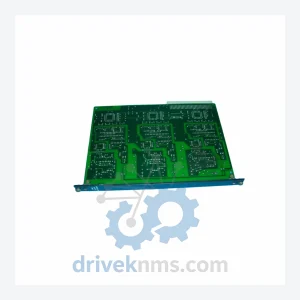
GE IS200 Modules | IS200BPIBG1AEB Driver Board
GE IS200 Series: Comprehensive Module Range and Technical Overview The GE IS200 series constitutes the core I/O, control, and communication…
Model: IS200EMIOH1A
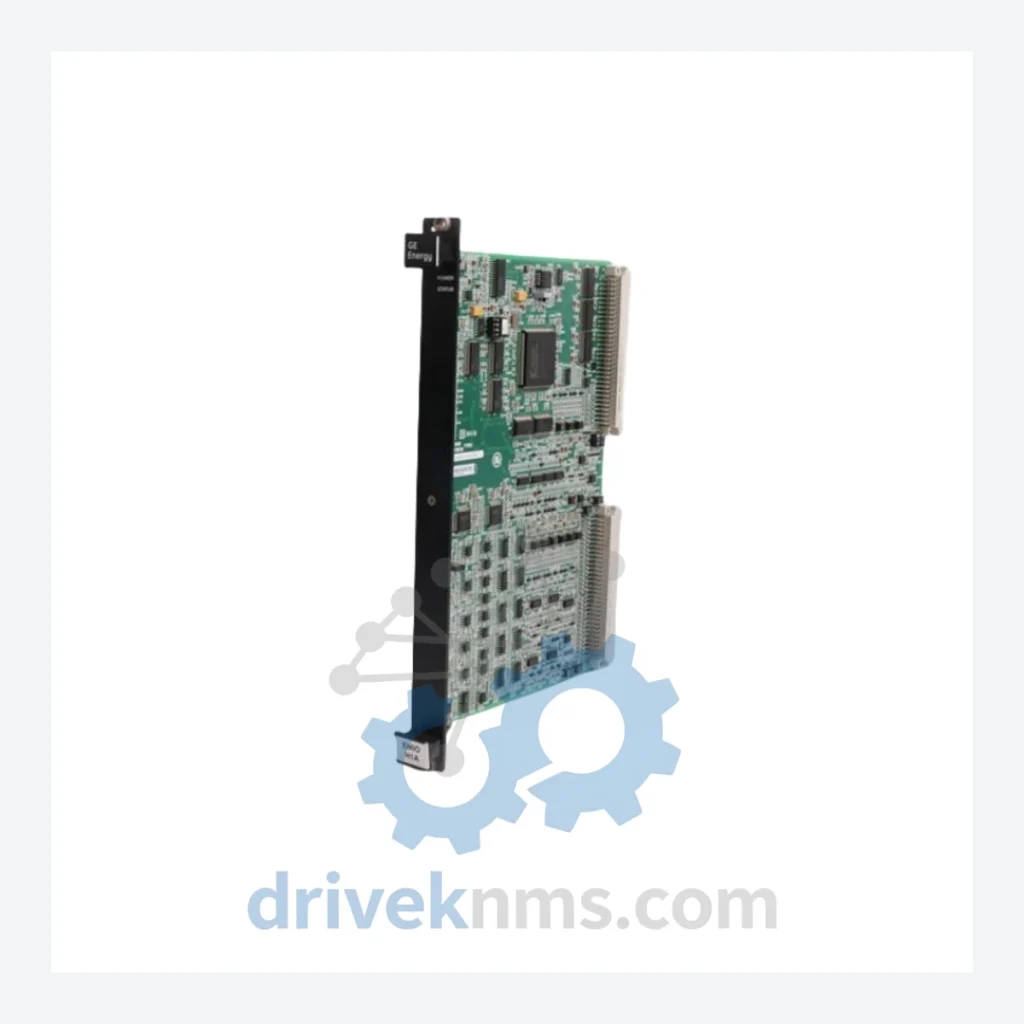
Product Overview
Commercial availability is handled through direct RFQ, model verification and export-oriented follow-up rather than public cart checkout.
Datasheet Preview
Use attached product manuals when available. If the manual is not public yet, request the full file directly through RFQ.
Commercial Path
Product pages on DRIVEKNMS are designed to verify model, brand and series first, then move the buyer into one clean quotation path.
Technical Dossier
The GE Speedtronic MKVI is a distributed control system (DCS) platform developed by GE Energy (now Baker Hughes) for turbine control applications in heavy industrial environments. It is deployed globally in combined-cycle power plants, gas compression stations, petrochemical refineries, and nuclear auxiliary systems. The MKVI architecture replaced the earlier MKV platform and introduced a fully digital, redundant I/O bus structure based on the IONet communication protocol. Its modular design allows independent replacement of I/O, processor, and communication boards without full system shutdown, making it the preferred control platform for facilities requiring continuous uptime. Installed base spans hundreds of GW of generation capacity across North America, the Middle East, Southeast Asia, and Europe.
GE's Speedtronic turbine control lineage spans six generations. The MKI through MKIV systems used analog and relay-based logic. The MKV (introduced early 1990s) was the first fully digital platform, using VME-bus architecture and proprietary I/O boards. The MKVI (introduced late 1990s, widely deployed 2000–2015) replaced VME with a dedicated IONet Ethernet-based I/O network, enabling distributed I/O placement closer to field devices. Key architectural advances include triple-redundant processor voting (TMR – Triple Modular Redundancy), hot-swappable I/O modules, and integrated diagnostics via the HMI ToolboxST software suite.
Compatibility note: MKVI boards are not backward-compatible with MKV racks. The MKVI-e (enhanced) variant introduced around 2008 added expanded memory and faster scan rates but retained the same physical form factor and IONet protocol, allowing mixed deployment in some configurations. As of 2020, GE has transitioned new installations to the Mark VIe platform. The MKVI is now in its extended lifecycle phase, with OEM support limited. Third-party suppliers such as DriveKNMS provide the primary sourcing channel for replacement modules.
Processor & Controller Modules
Main I/O Modules
Communication & Network Modules
Speed & Vibration Modules
Power Supply Modules
GE officially transitioned MKVI to end-of-active-production status. OEM spare parts availability is declining, and lead times for factory-sourced replacements can exceed 26 weeks where available at all. DriveKNMS maintains a dedicated inventory of MKVI modules sourced from decommissioned plant equipment, controlled-environment storage, and verified surplus channels. All units are catalogued by part number, revision suffix, and firmware version where applicable. For operators running MKVI systems through extended maintenance cycles — common in plants with 20+ year turbine assets — DriveKNMS provides a reliable alternative to OEM channels. Specific support is available for TMR (Triple Modular Redundancy) configurations where all three redundant boards must be matched by revision to maintain voting integrity.
MKVI modules present specific test challenges due to their IONet bus dependency: boards cannot be fully validated without an active IONet network segment. DriveKNMS operates a dedicated MKVI test bench that replicates the IONet communication environment, allowing functional verification of I/O modules, processor boards, and network adapters under live bus conditions. Test procedures include: IONet enumeration and address assignment verification; analog I/O channel-by-channel calibration check against NIST-traceable references; digital I/O contact resistance and switching speed measurement; power supply load regulation and ripple testing at full rated current; and visual inspection per IPC-A-610 Class 2 standards for solder joint integrity and component condition. Boards that pass all functional tests are issued a DriveKNMS test report and shipped with anti-static packaging and humidity indicator cards.
Related Paths
GE IS200 Series: Comprehensive Module Range and Technical Overview The GE IS200 series constitutes the core I/O, control, and communication…
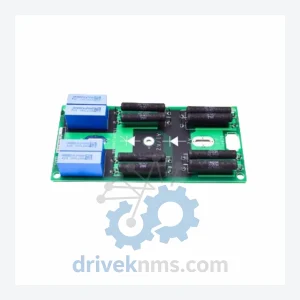
GE IS200 Series: Comprehensive Module Range and Technical Overview The GE IS200 series is the core I/O and control module…
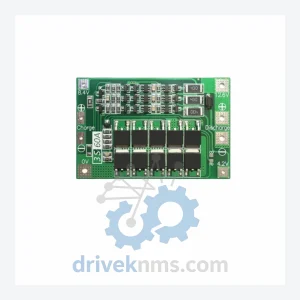
GE IS215 Series: Comprehensive Module Range and Technical Overview The GE IS215 series represents a core hardware family within GE's…