
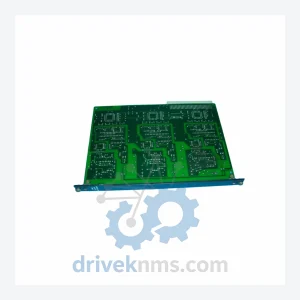
GE IS200 Modules | IS200BPIBG1AEB Driver Board
GE IS200 Series: Comprehensive Module Range and Technical Overview The GE IS200 series constitutes the core I/O, control, and communication…
Model: UR73FH
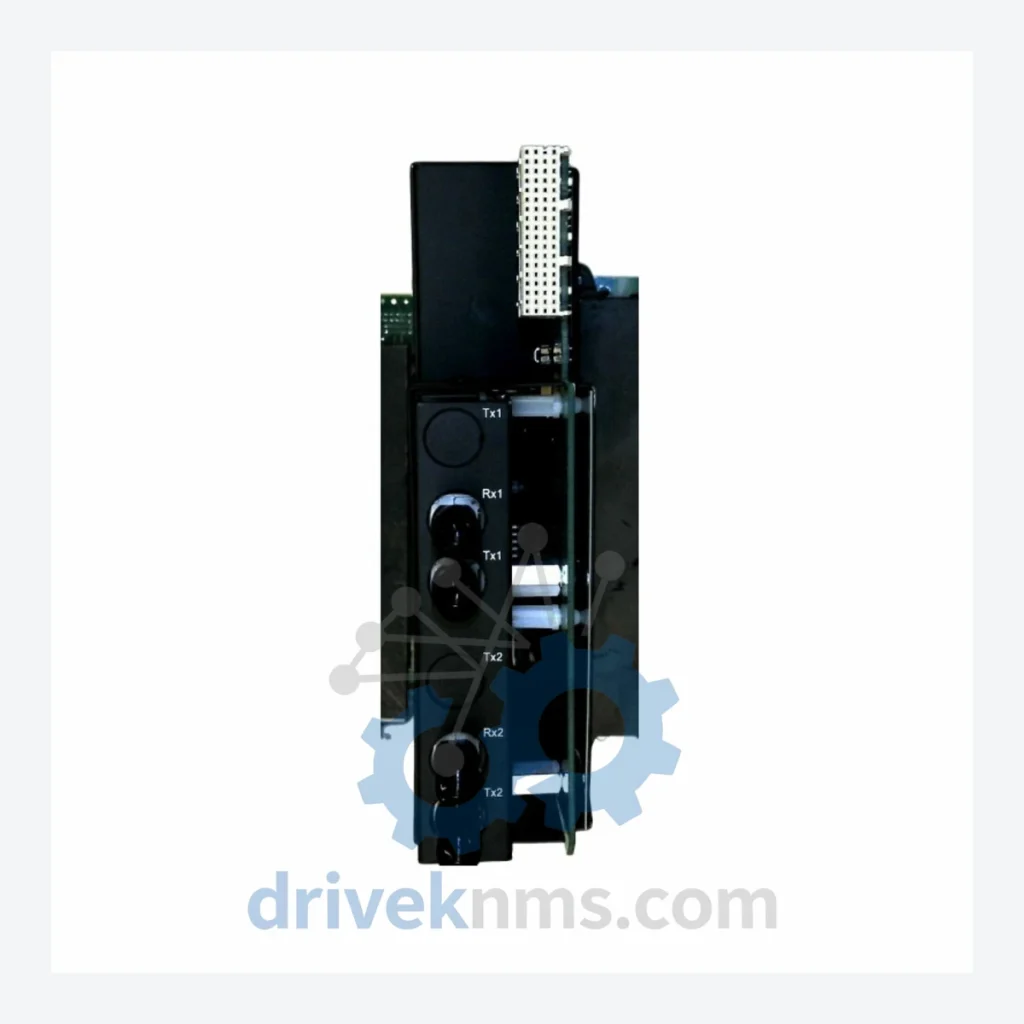
Product Overview
Commercial availability is handled through direct RFQ, model verification and export-oriented follow-up rather than public cart checkout.
Datasheet Preview
Use attached product manuals when available. If the manual is not public yet, request the full file directly through RFQ.
Commercial Path
Product pages on DRIVEKNMS are designed to verify model, brand and series first, then move the buyer into one clean quotation path.
Technical Dossier
The GE UR (Universal Relay) Series represents one of the most widely deployed protection relay platforms in global heavy industry. Installed across chemical processing plants, nuclear power stations, oil refineries, and high-voltage transmission substations, the UR platform has established a dominant position in mission-critical protection applications. Its modular architecture allows utilities and industrial operators to configure relay functions—differential protection, distance protection, overcurrent, and busbar protection—within a single standardized chassis. The UR Series is recognized by grid operators in North America, Europe, and Asia-Pacific as a benchmark platform for IEC 61850-compliant substation automation.
The GE UR platform was introduced in the late 1990s as a successor to GE's earlier electromechanical and static relay families. The first-generation UR chassis established the 19-inch rack-mount form factor with a passive backplane bus, supporting hot-swappable I/O modules. Early firmware revisions (UR 3.x and 4.x) provided MODBUS RTU and DNP3 communications. The UR 5.x generation introduced IEC 61850 GOOSE messaging and expanded analog input density. The UR 6.x and 7.x releases added IEEE 1588 Precision Time Protocol (PTP) synchronization, enhanced cybersecurity hardening (NERC CIP compliance), and expanded CT/VT input configurations. Compatibility between generations is maintained at the chassis level; however, CPU and communications modules from different firmware generations require careful version matching. Many UR 3.x and 4.x CPU modules are now discontinued, creating a sustained demand for tested surplus and refurbished units to support long-lifecycle substation assets.
The following SKUs represent verified, commonly deployed modules within the GE UR platform, organized by functional category:
CPU & Main Processing Modules
Digital Input (DI) Modules
Digital Output (DO) / Relay Output Modules
Analog Input (AI) Modules
Communications & Networking Modules
Power Supply Modules
A significant portion of the installed UR Series base operates on firmware generations and hardware revisions that GE Grid Solutions (now GE Vernova) has transitioned to end-of-active-support status. CPU modules from the UR 3.x and 4.x generations, specific I/O modules with legacy backplane pinouts, and early communications cards are no longer available through standard distribution channels. DriveKNMS maintains a dedicated inventory of tested surplus UR Series modules sourced from decommissioned substations, controlled shutdowns, and verified surplus stock. Each unit undergoes functional verification before listing. DriveKNMS provides cross-reference support to identify compatible replacement modules where direct equivalents are unavailable, and can assist engineering teams in evaluating firmware compatibility between replacement CPUs and existing chassis configurations. For long-term maintenance contracts on UR-equipped substations, DriveKNMS offers reserved stock agreements to guarantee availability of critical spare modules over multi-year maintenance windows.
The GE UR Series employs a passive backplane architecture with a proprietary high-speed serial bus connecting all installed modules to the CPU. Quality verification for UR modules requires specialized procedures beyond standard power-on testing. DriveKNMS applies the following protocol to all UR Series inventory: (1) Visual inspection of backplane connector pins for corrosion, mechanical deformation, and ESD damage; (2) Powered bench test using a UR chassis with known-good reference modules to verify backplane bus communication; (3) Firmware version identification and logging for all CPU modules; (4) Functional test of all I/O channels on DI, DO, and AI modules using calibrated signal sources; (5) Ethernet port continuity and link negotiation test for all communications modules; (6) Thermal cycling verification for modules sourced from outdoor or high-ambient-temperature installations. Test records are retained and available upon request for critical spare applications.
Related Paths
GE IS200 Series: Comprehensive Module Range and Technical Overview The GE IS200 series constitutes the core I/O, control, and communication…
GE IS200 Series: Comprehensive Module Range and Technical Overview The GE IS200 series is the core I/O and control module…
GE IS215 Series: Comprehensive Module Range and Technical Overview The GE IS215 series represents a core hardware family within GE's…