
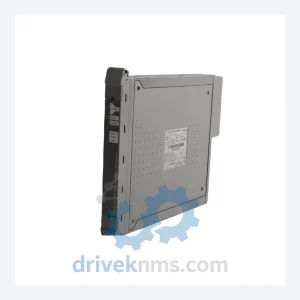
ICS Triplex T8310CX Expander Processor – AADvance Safety System
ICS Triplex T8310CX Expander Processor: Supply Continuity Strategy for Safety-Critical Operations The ICS Triplex T8310CX is an Expander Processor module…
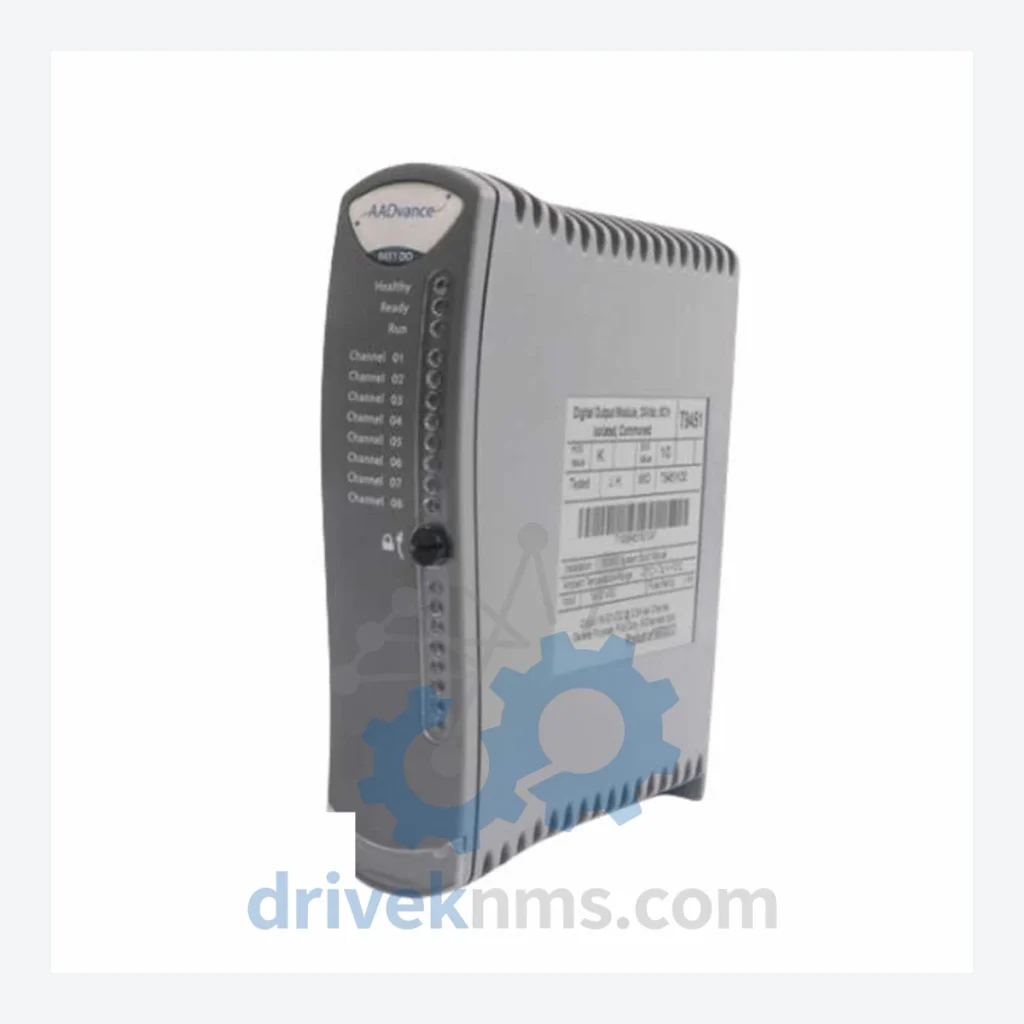
Model: T9451
Product Overview
Commercial availability is handled through direct RFQ, model verification and export-oriented follow-up rather than public cart checkout.
Datasheet Preview
Use attached product manuals when available. If the manual is not public yet, request the full file directly through RFQ.
Commercial Path
Product pages on DRIVEKNMS are designed to verify model, brand and series first, then move the buyer into one clean quotation path.
Technical Dossier
When a Digital Output Module fails inside an ICS Triplex TMR safety system, the consequences extend far beyond a single component replacement. A forced migration away from a legacy Safety Instrumented System (SIS) platform can trigger a full process safety review, re-engineering of I/O architecture, revalidation of SIL ratings, and retraining of operations personnel. Conservative industry estimates place the total cost of such a migration — including engineering, downtime, and regulatory compliance — in the range of several hundred thousand to several million USD per installation. The T9451 is the barrier between a targeted spare part purchase and that scenario. DriveKNMS maintains verified stock of this discontinued module for facilities that cannot afford to treat their safety infrastructure as expendable.
| Parameter | Detail |
|---|---|
| Manufacturer | ICS Triplex |
| Part Number | T9451 |
| Module Type | Digital Output Module |
| System Compatibility | ICS Triplex TMR (Triple Modular Redundancy) Safety System |
| Series | Trusted / TMR Platform |
| Product Status | Discontinued / Obsolete |
| Country of Origin | United Kingdom |
| Condition Available | New surplus / Professionally refurbished |
Note: Electrical parameters such as output voltage range, channel count, and load ratings are model-specific. Contact DriveKNMS for verified datasheet documentation prior to installation.
ICS Triplex TMR systems were deployed extensively across oil & gas, petrochemical, and power generation facilities throughout the 1990s and 2000s. Following the acquisition of ICS Triplex by Rockwell Automation, active manufacturing support for legacy TMR modules including the T9451 was phased out. OEM replacement channels are closed.
The TMR architecture — where three independent processing channels vote on output decisions — means that module-level redundancy is built into the system design. However, this same architecture creates a hard dependency on exact hardware compatibility. Substituting a non-identical module risks disrupting the voting logic and invalidating the system's SIL certification. There is no generic replacement for the T9451 in an active TMR installation.
Facilities operating ICS Triplex TMR platforms face a binary choice: source original spare modules to maintain the existing validated architecture, or commit to a full SIS migration. For plants with 10–20 years of remaining operational life, the economics of migration rarely justify the disruption. Maintaining a buffer stock of critical modules like the T9451 is the operationally sound decision.
How to extend your ICS Triplex TMR system life by 5–10 years:
Sourcing obsolete safety system hardware from unverified channels introduces risk that is incompatible with SIS applications. DriveKNMS applies a five-step inspection protocol to every T9451 unit before it is offered for sale:
Units that do not pass all five steps are not listed for sale. Condition grade (new surplus or refurbished) is disclosed on every order confirmation.
What warranty applies to an obsolete module like the T9451?
DriveKNMS provides a 90-day warranty covering functional defects identified under normal operating conditions. Given the discontinued status of this part, we recommend buyers treat the warranty period as a commissioning verification window and maintain a secondary spare in parallel.
How do I confirm the unit is new surplus versus refurbished?
Condition is disclosed in writing on the order confirmation and packing documentation. New surplus units retain original manufacturer labeling and show no evidence of field installation. Refurbished units are identified as such and include a summary of the inspection and repair work performed.
Should I buy more than one unit?
For any T9451 installed in a safety-critical output channel, holding a minimum of one spare per installed unit is the standard recommendation. For facilities with multiple TMR cabinets, a centralized pool of three to five units provides coverage without excessive capital commitment. Global supply of this module is not replenishable from the OEM. Each unit sourced now reduces exposure to future emergency procurement at significantly higher cost.
Can DriveKNMS source other ICS Triplex TMR modules?
Yes. DriveKNMS specializes in obsolete and hard-to-find industrial automation components across multiple legacy platforms. Contact us with your full bill of materials for a consolidated sourcing assessment.
Related Paths
ICS Triplex T8310CX Expander Processor: Supply Continuity Strategy for Safety-Critical Operations The ICS Triplex T8310CX is an Expander Processor module…
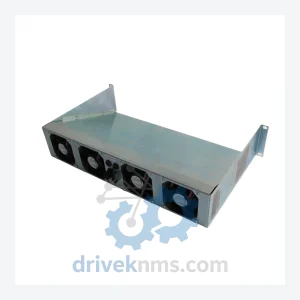
ICS Triplex T8271 Fan Bracket – Obsolete TMR Series Spare Part When a single mechanical component fails inside a safety-critical…
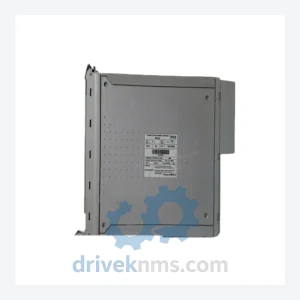
ICS Triplex T8290C Expander Interface Module: Supply Continuity Strategy for Discontinued Safety-Critical Spares The ICS Triplex T8290C is an Expander…