
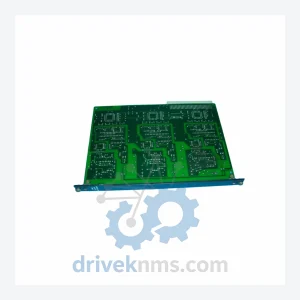
GE IS200 Modules | IS200BPIBG1AEB Driver Board
GE IS200 Series: Comprehensive Module Range and Technical Overview The GE IS200 series constitutes the core I/O, control, and communication…
Model: IS210AEPSG2BCB
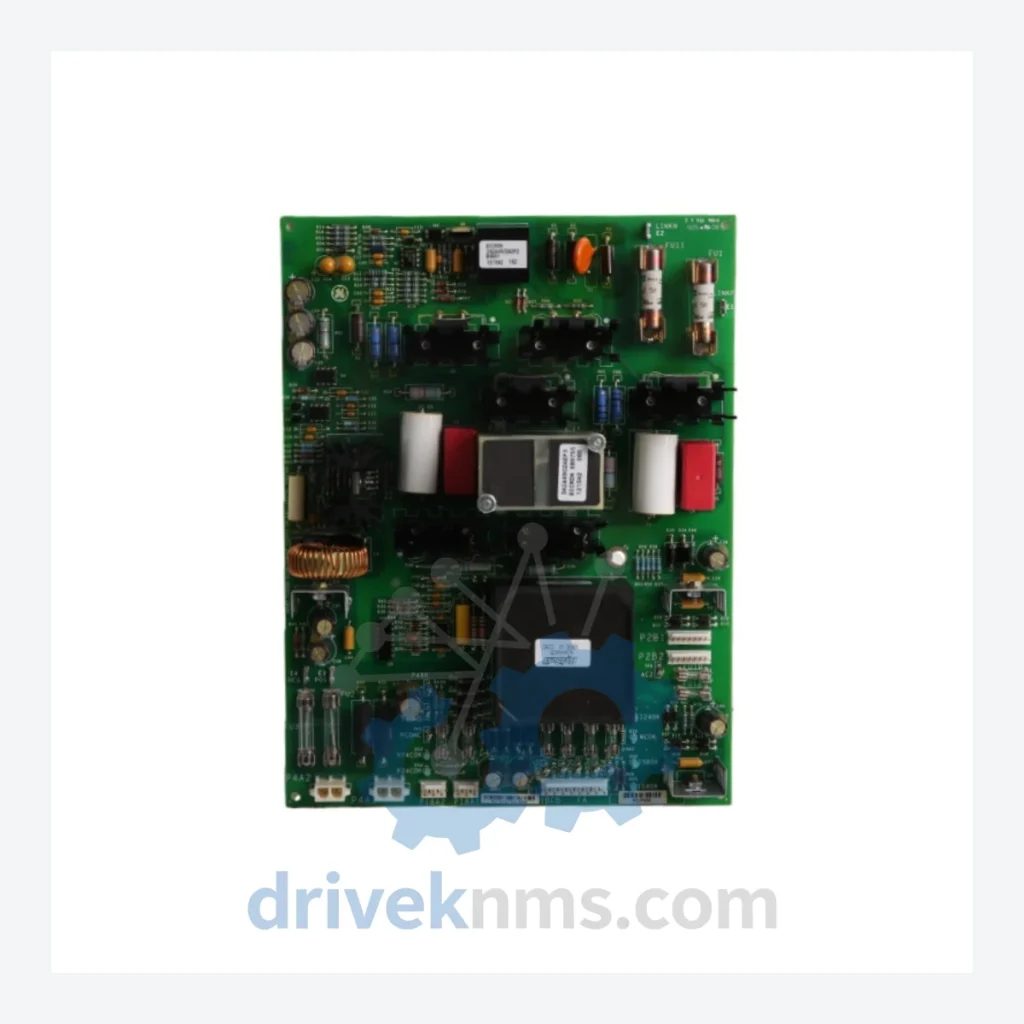
Product Overview
Commercial availability is handled through direct RFQ, model verification and export-oriented follow-up rather than public cart checkout.
Datasheet Preview
Use attached product manuals when available. If the manual is not public yet, request the full file directly through RFQ.
Commercial Path
Product pages on DRIVEKNMS are designed to verify model, brand and series first, then move the buyer into one clean quotation path.
Technical Dossier
The GE MARK VI Turbine Control System is one of the most widely deployed distributed control platforms in global heavy industry. Engineered by GE Energy (now part of GE Vernova), the MARK VI architecture is the operational backbone of gas turbines, steam turbines, and combined-cycle power plants across chemical processing facilities, nuclear auxiliary systems, petroleum refineries, and LNG terminals. Installations span six continents, with active deployments in facilities operated by ExxonMobil, Saudi Aramco, CNOOC, Chevron, and major independent power producers. The system's redundant triple-modular redundancy (TMR) design and deterministic I/O scan rates make it the reference standard for turbine protection and sequencing in safety-critical environments.
GE's turbine control lineage traces from the MARK I relay-based systems of the 1960s through the MARK II, MARK IV, and MARK V digital platforms. The MARK VI, introduced in the mid-1990s, represented a fundamental architectural shift: replacing proprietary backplane buses with an Ethernet-based IONet communication layer and adopting a modular VME-form-factor card cage. This enabled hot-standby redundancy at the I/O level rather than only at the controller level.
The MARK VI operates on the VCMI (VME Controller Module Interface) backplane, with I/O modules communicating over a deterministic 10 Mbps IONet ring. Controller cards (VCRC, VCMI) run QNX real-time OS. The system supports both simplex and TMR configurations. Compatibility between MARK VI and its successor, the MARK VIe, is limited: MARK VIe uses an Ethernet-based IONET with IEEE 1588 time synchronization and is not backward-compatible at the module level, requiring full card-cage replacement during migration. Sites still operating MARK VI hardware are therefore dependent on the secondary market for spare parts, as GE ceased new MARK VI module production circa 2015–2018 depending on card type.
The following SKUs represent verified, commonly stocked MARK VI modules. Each entry reflects the module's primary functional role within the turbine control architecture.
Controllers & Processor Modules
Analog Input (AI) Modules
Digital Input (DI) Modules
Digital Output (DO) / Relay Output Modules
Communication & Network Modules
Power Supply Modules
GE's official end-of-life designation for the MARK VI platform means that OEM new-stock availability for most modules has been exhausted. DriveKNMS maintains a dedicated inventory of tested MARK VI spare parts sourced from decommissioned power plants, controlled shutdowns, and authorized surplus channels. Our stock covers the full card-cage ecosystem: controller cards, I/O modules, terminal boards, and power supplies.
For operators managing long-term service agreements (LTSAs) on MARK VI-equipped turbines, DriveKNMS provides consignment stocking programs, where critical spare modules are held on-site or in bonded warehouse under the customer's reservation. This eliminates lead-time risk for unplanned outages. We also support cross-reference identification: if your engineering team has a part number from a legacy BOM or a GE service bulletin, we can match it to current available stock.
MARK VI modules present specific test challenges due to their VME backplane architecture and IONet communication dependency. Standard bench power-up is insufficient to validate module functionality. DriveKNMS employs a dedicated MARK VI test rig that replicates the card-cage backplane environment, including VCMI controller handshake, IONet ring initialization, and firmware version verification.
Each module undergoes the following protocol before shipment: (1) Visual inspection for capacitor bulge, PCB corrosion, and connector pin integrity. (2) Backplane insertion test with live VCMI controller to confirm module enumeration and diagnostic LED status. (3) Functional I/O test: for analog input cards, calibrated signal injection across all channels; for digital output cards, relay actuation and continuity verification. (4) Firmware version logging and compatibility check against customer's HMI software revision. (5) 48-hour burn-in under simulated load conditions. All test records are retained and shipped with the module.
Related Paths
GE IS200 Series: Comprehensive Module Range and Technical Overview The GE IS200 series constitutes the core I/O, control, and communication…
GE IS200 Series: Comprehensive Module Range and Technical Overview The GE IS200 series is the core I/O and control module…
GE IS215 Series: Comprehensive Module Range and Technical Overview The GE IS215 series represents a core hardware family within GE's…