
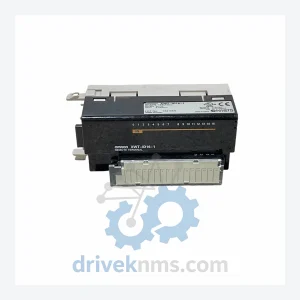
OMRON XWT Series Modules
OMRON XWT Series: Comprehensive Module Range and Technical Overview The OMRON XWT Series represents OMRON's dedicated line of DeviceNet-compatible remote…
Model: MY4NJ
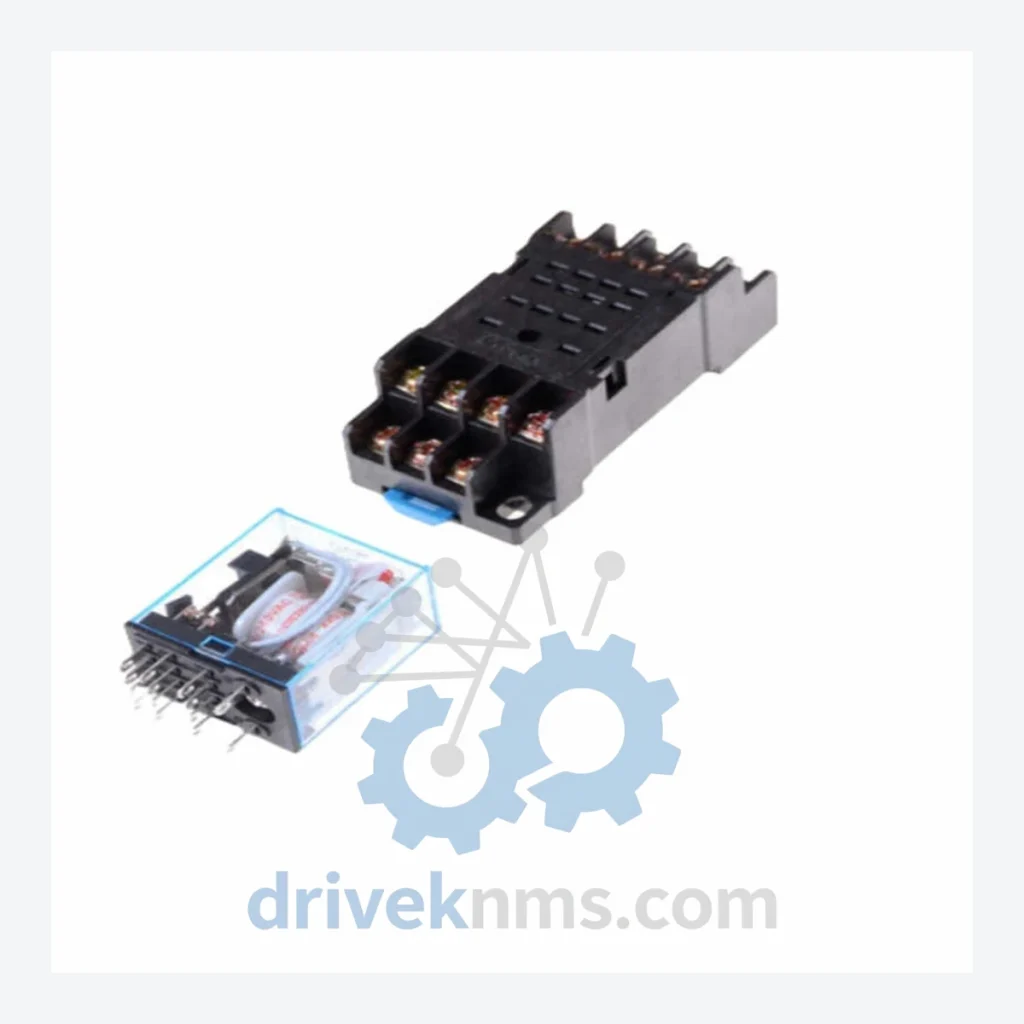
Product Overview
Commercial availability is handled through direct RFQ, model verification and export-oriented follow-up rather than public cart checkout.
Datasheet Preview
Use attached product manuals when available. If the manual is not public yet, request the full file directly through RFQ.
Commercial Path
Product pages on DRIVEKNMS are designed to verify model, brand and series first, then move the buyer into one clean quotation path.
Technical Dossier
The OMRON MY Series is a standardized general-purpose power relay line that has maintained a dominant installed base across global heavy industry for over four decades. Deployed in chemical processing plants, oil refineries, nuclear auxiliary control panels, and discrete manufacturing lines, the MY Series serves as the switching backbone for control circuits operating at 6V DC through 240V AC. Its DIN-rail and socket-mount compatibility — via the PY and PTF socket families — makes it a universal fit for both legacy relay logic panels and modern PLC output expansion racks. The series is fully cross-referenced against equivalent relay families from Finder, TE Connectivity, and Schneider Electric, making it a preferred substitute in multi-vendor MRO environments.
The MY Series was introduced in the 1970s as a plug-in relay designed for socket-based panel wiring, eliminating the need for direct terminal soldering. The original MY2 and MY4 frames established the 8-pin and 14-pin octal/blade footprints that remain the global standard today. In the 1980s, OMRON introduced the NJ suffix variants — including the MY4NJ — adding a mechanical indicator flag and a manual override button. These features became mandatory in safety-critical relay panels under IEC 61810 and JIS C 5442 standards.
Through the 1990s and 2000s, the series expanded to include bifurcated contact versions (MY-□GS) for low-level signal switching below 1A, and LED indicator variants optimized for 24V DC PLC panels. The MY□ZS sub-series added a built-in varistor surge suppressor for inductive load protection without external components. As of 2026, the MY Series is in its mature lifecycle phase: all core models remain in production, but OMRON has designated several socket types as last-time-buy. DriveKNMS maintains buffer stock of both active and end-of-life socket variants to support long-term maintenance contracts across petrochemical, power generation, and discrete manufacturing sectors.
The following SKUs represent the verified active and legacy catalog of the OMRON MY Series, classified by pole configuration and feature set. All models use the standard blade-pin socket interface (PYF/PTF family).
2-Pole (DPDT) Models — 8-Pin, 10A:
3-Pole (3PDT) Models — 11-Pin, 10A:
4-Pole (4PDT) Models — 14-Pin, 5A:
Compatible Socket Accessories (Verified Cross-Reference):
DriveKNMS operates a dedicated lifecycle support program for the OMRON MY Series, with particular focus on socket variants and coil voltage configurations that have been discontinued or placed on last-time-buy status by OMRON. Common hard-to-source configurations include 6V DC, 12V DC, and 100V AC coil variants, as well as the MY□GS bifurcated contact models used in legacy instrumentation and SCADA interface panels.
Our sourcing process for obsolete MY Series parts includes: verification against OMRON's official part number structure, cross-reference against equivalent Finder 55 Series and TE Connectivity RT Series models where direct substitution is confirmed, and physical inspection of date codes to exclude counterfeit or re-marked stock. All sourced units are stored in ESD-safe, humidity-controlled warehousing. For plant maintenance teams operating under long-term service agreements, DriveKNMS can provide consignment stock arrangements for high-consumption MY Series SKUs, including the MY4NJ, MY2NJ, and MY4N.
Each MY Series relay processed through DriveKNMS undergoes a structured inspection protocol adapted to the relay's contact architecture and coil specification:
Related Paths
OMRON XWT Series: Comprehensive Module Range and Technical Overview The OMRON XWT Series represents OMRON's dedicated line of DeviceNet-compatible remote…
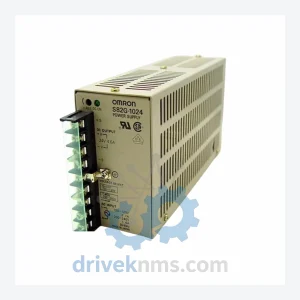
OMRON S82G-1024 Power Supply Unit: Global Sourcing Strategy & Asset Return Value The OMRON S82G-1024 is a proven industrial power…
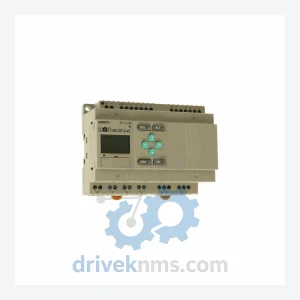
OMRON ZEN-20C1DR-D-V1: Procurement Strategy & Asset Return Value in a Constrained Supply Chain The OMRON ZEN-20C1DR-D-V1 is a compact programmable…