
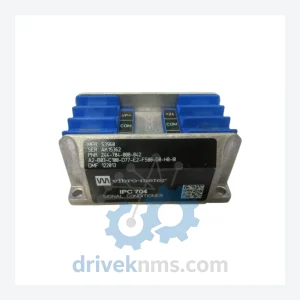
VIBRO-METER IPC704P-CP237 244-704-000-042 Protection Unit – VM Series
VIBRO-METER IPC704P-CP237 244-704-000-042 Protection Unit: Global Sourcing Strategy & Asset Return Value The VIBRO-METER IPC704P-CP237 (P/N: 244-704-000-042) is a precision…
Model: VM600 CPUM 200-595-100-014
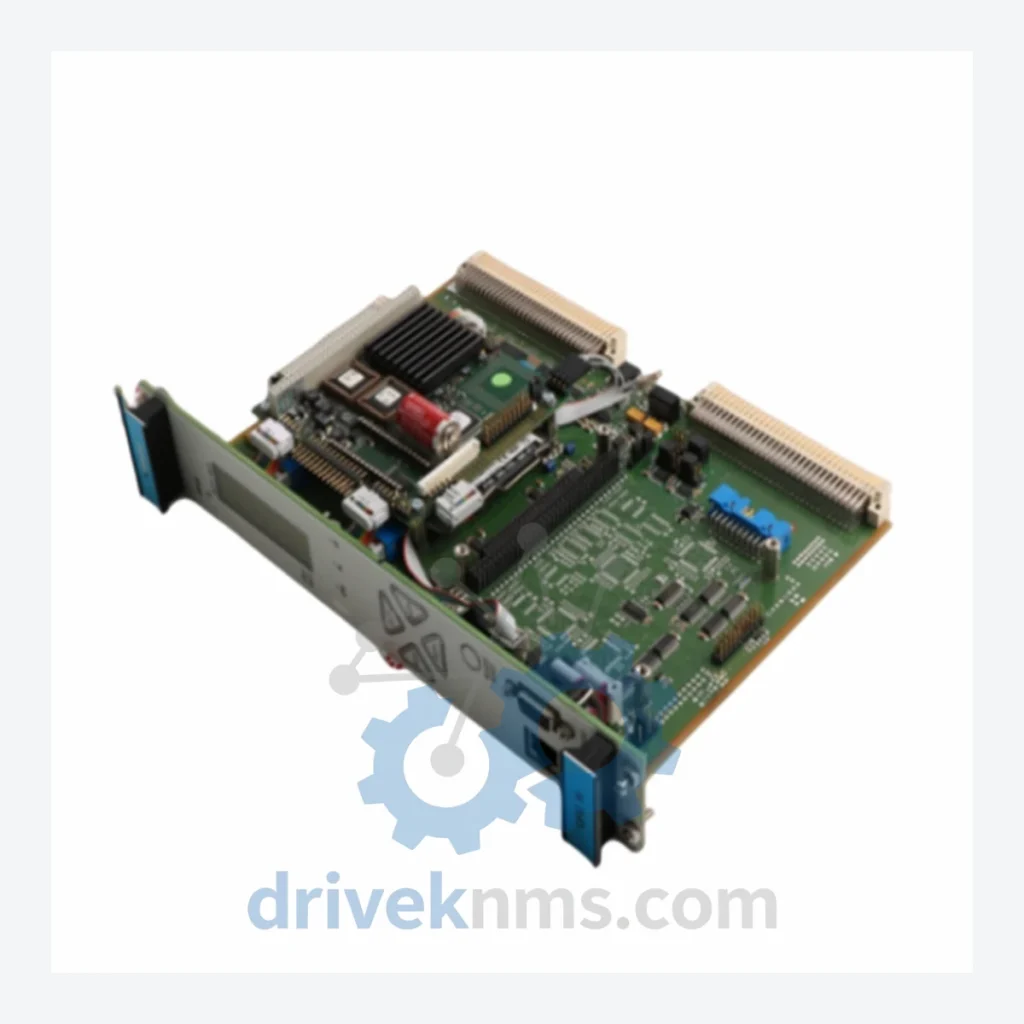
Product Overview
Commercial availability is handled through direct RFQ, model verification and export-oriented follow-up rather than public cart checkout.
Datasheet Preview
Use attached product manuals when available. If the manual is not public yet, request the full file directly through RFQ.
Commercial Path
Product pages on DRIVEKNMS are designed to verify model, brand and series first, then move the buyer into one clean quotation path.
Technical Dossier
The Vibro-Meter VM600 is a modular, rack-based machinery protection and condition monitoring system developed by Vibro-Meter SA (Switzerland), now operating under the Meggitt / Safran group. It is deployed across critical rotating machinery applications in petrochemical plants, nuclear power stations, offshore platforms, LNG terminals, and refineries worldwide. The system's open-slot rack architecture supports hot-swap module replacement, making it a preferred platform for continuous-operation facilities where unplanned downtime carries significant financial and safety consequences. VM600 installations are found in turbine protection, compressor monitoring, and pump surveillance systems across all major industrial regions including the Middle East, Southeast Asia, Europe, and North America.
The VM600 platform succeeded the earlier Vibro-Meter VM500 series, introducing a standardized 19-inch rack form factor with a passive backplane bus. Early VM600 configurations relied on dedicated analog signal conditioning cards paired with separate processing modules. As the platform matured, Vibro-Meter introduced integrated digital processing modules (CPUM, MPC4) capable of onboard FFT analysis, transient capture, and direct relay output without external processing hardware.
The introduction of the CMC16 communication module enabled Ethernet-based integration with DCS platforms including Emerson DeltaV, Honeywell Experion, and ABB 800xA via Modbus TCP and OPC-DA. Later firmware revisions added IEC 61511 SIL 2 compliance pathways for safety-instrumented system integration. The VM600 series is now in a mature/end-of-active-development phase; Meggitt has transitioned new project specifications toward the VM600+ and Sensorlink platforms. However, the installed base of VM600 systems remains extensive, and long-term maintenance support — including spare module supply — remains commercially active through authorized distributors and specialist aftermarket suppliers.
The following part numbers represent the core VM600 module range. Each entry reflects a verified, production-released component within the VM600 ecosystem.
200-595-100-014 (CPUM): Central processing unit module; rack master controller with relay outputs and backplane bus management.
200-510-100-011 (CMC16): 16-channel communication module; Modbus TCP / OPC gateway for DCS integration.
200-560-100-021 (IOC4T): 4-channel I/O conditioning module; supports proximity probe and velocity transducer inputs.
200-566-100-031 (MPC4): 4-channel machinery protection card; onboard FFT, alarm relay, and OK relay outputs.
200-582-100-041 (ABE042): Analog buffered output expansion module; 4 BNC buffered outputs per channel group.
200-571-100-051 (CPU-M): Rack CPU module variant; manages inter-module communication and system watchdog.
200-590-100-061 (RPS6): Redundant power supply module; 24 VDC input, dual-rail output for rack bus.
200-550-100-071 (API4): 4-channel analog process input module; 4–20 mA and 0–10 V signal conditioning.
200-551-100-081 (API8): 8-channel analog process input module; extended channel density for process variable monitoring.
200-540-100-091 (TDI): Tachometer and digital input module; speed measurement, keyphasor signal processing.
200-530-100-101 (ADI): Analog dynamic input module; high-frequency vibration signal acquisition, IEPE sensor compatible.
200-580-100-111 (ABE040): Buffered output expansion, 40-pin connector variant; used with IOC4T for external signal routing.
200-520-100-121 (DPM): Dynamic parameter module; real-time amplitude, phase, and gap measurement per channel.
200-570-100-131 (CPU): Base CPU module (non-M variant); earlier architecture, compatible with VM600 rack generations 1–3.
200-585-100-141 (ABE041): Buffered expansion module, 41-pin variant; supports legacy transducer wiring configurations.
200-561-100-151 (IOC16T): 16-channel I/O conditioning module; high-density input card for large turbine train monitoring.
DriveKNMS maintains a dedicated inventory program for VM600 modules that have been discontinued from Meggitt's active production schedule. For facilities operating VM600 racks installed prior to 2010, sourcing replacement modules through OEM channels is increasingly constrained. DriveKNMS sources verified surplus and refurbished VM600 modules through a controlled supply chain, covering part numbers across the CPUM, CMC, IOC, MPC4, and power supply families.
All sourced modules are subject to incoming inspection before entering available inventory. For end-users requiring long-term maintenance agreements or scheduled spare parts provisioning, DriveKNMS offers consignment stock arrangements and priority allocation for critical-path components. Customers operating in regulated industries (nuclear, offshore) are advised to request full traceability documentation at the time of inquiry.
VM600 modules incorporate a passive backplane bus with high-density edge connectors. Failure modes specific to this architecture include backplane pin corrosion, EEPROM configuration loss, relay contact wear on protection modules, and DC-DC converter degradation in power supply cards. DriveKNMS applies a module-specific test protocol that includes:
— Backplane connector inspection and contact resistance measurement (target: <50 mΩ per pin).
— Power rail verification under load: ±5 V, ±15 V, and +24 V rails measured at module connector.
— Firmware version identification and configuration backup prior to any intervention.
— Functional signal injection testing for IOC and MPC4 modules using calibrated vibration signal sources.
— Relay output continuity and switching cycle verification for CPUM and MPC4 protection modules.
— 48-hour burn-in cycle at ambient temperature before shipment release.
Related Paths
VIBRO-METER IPC704P-CP237 244-704-000-042 Protection Unit: Global Sourcing Strategy & Asset Return Value The VIBRO-METER IPC704P-CP237 (P/N: 244-704-000-042) is a precision…
VIBRO-METER IPC704P Series: Comprehensive Module Range and Technical Overview The VIBRO-METER IPC704P is a modular vibration monitoring platform developed by…
Vibro-Meter IPC704 244-704-000-042 Signal Processor – Obsolete VM Series Spare Part When a signal processor module fails inside a turbomachinery…