
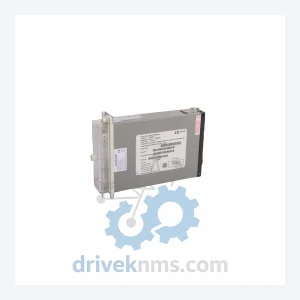
ALSTOM MVAJ105RA0802A Protection Relay – MiCOM Series
ALSTOM MVAJ105RA0802A Protection Relay: Supply Continuity Strategy for a Discontinued Critical Component The ALSTOM MVAJ105RA0802A is a numerical protection relay…
Model: 3021/00 SER 3000 I/O
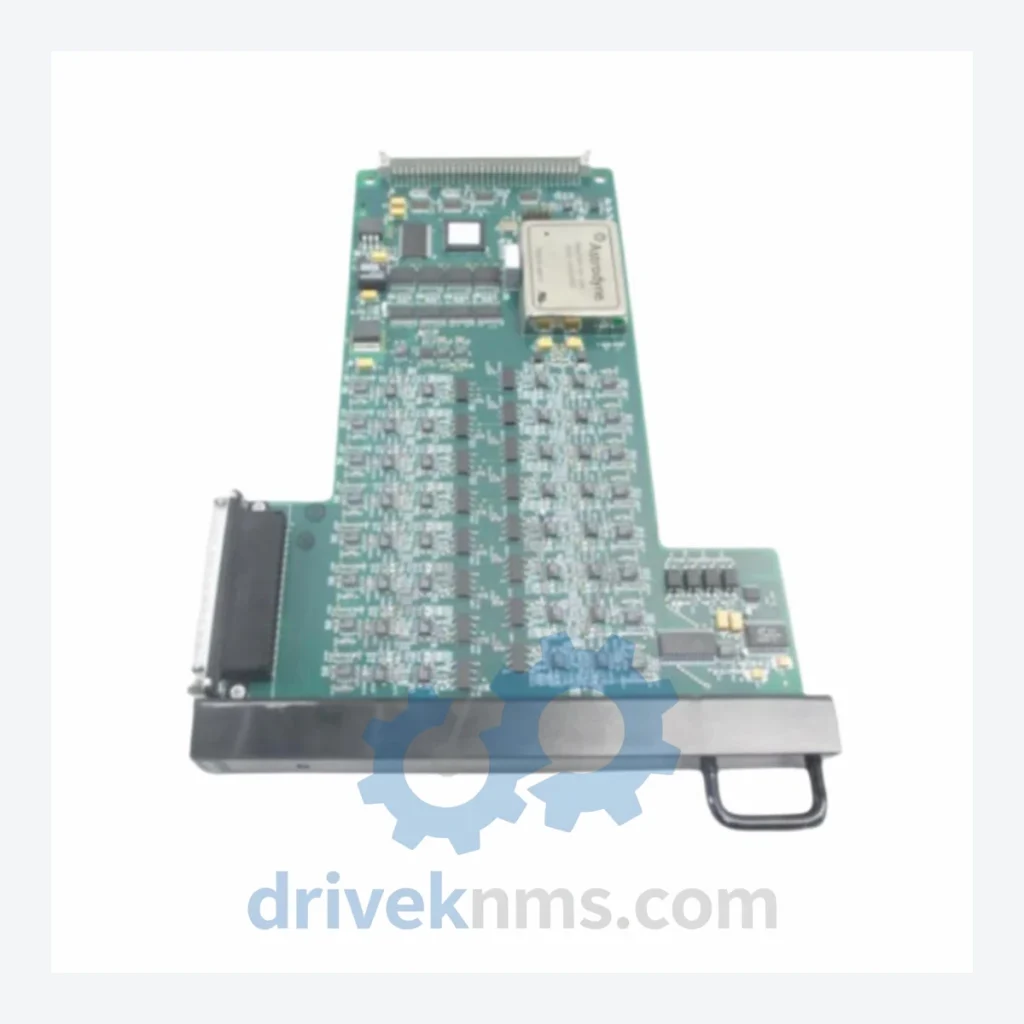
Product Overview
Commercial availability is handled through direct RFQ, model verification and export-oriented follow-up rather than public cart checkout.
Datasheet Preview
Use attached product manuals when available. If the manual is not public yet, request the full file directly through RFQ.
Commercial Path
Product pages on DRIVEKNMS are designed to verify model, brand and series first, then move the buyer into one clean quotation path.
Technical Dossier
When an RTP 3021-00 I/O module fails inside a SER 3000 distributed control system, the clock starts immediately. Every hour of unplanned downtime in a process plant carries a cost measured in tens of thousands of dollars — and that is before factoring in the engineering hours, regulatory notifications, and production penalties that follow. The harder reality is that RTP's SER 3000 platform has been discontinued for years. OEM support is gone. The authorized distribution channel dried up long ago. What remains is a shrinking pool of genuine hardware scattered across the secondary market, and the window to secure it is closing.
DriveKNMS maintains verified stock of the RTP 3021-00. For plant managers and reliability engineers who are not yet ready to commit to a multi-million-dollar DCS migration, this module represents a direct, low-cost path to keeping the existing system operational for another five to ten years.
| Part Number | 3021/00 |
|---|---|
| Series | RTP SER 3000 |
| Module Type | I/O Module |
| Manufacturer | RTP (Real Time Performance) |
| Country of Origin | United States |
| OEM Status | Discontinued – No longer manufactured or supported by OEM |
| Compatible Systems | RTP SER 3000 DCS |
| Condition Available | New surplus / Professionally refurbished |
Note: Electrical parameters are confirmed only against verified documentation. No speculative data is published here. Contact us for full datasheet access.
The RTP SER 3000 was deployed extensively in oil and gas, chemical processing, and power generation facilities during its production years. Many of those installations are still running. The control logic embedded in these systems — tuned over years of operation — represents an institutional asset that cannot be replicated simply by purchasing a modern replacement platform.
A full DCS migration is not a weekend project. Conservative estimates for a mid-size process unit run from $2 million to $8 million when engineering, commissioning, operator retraining, and production interruption are included. For a facility operating on thin margins or approaching end-of-life on the broader plant, that capital expenditure is difficult to justify.
The RTP 3021-00 I/O module sits at the boundary between field instrumentation and the control processor. A failure at this point does not degrade performance gradually — it causes an abrupt loss of I/O visibility that forces a process shutdown. Sourcing a verified replacement module from DriveKNMS restores full system function without touching the control architecture, without revalidating software, and without triggering a change-management review cycle.
For facilities that have already identified the SER 3000 as a long-term risk, the correct strategy is not immediate replacement — it is structured spare parts accumulation. Holding two to three verified 3021-00 modules in bonded storage converts an uncontrolled failure event into a planned maintenance swap. The cost of that insurance is a fraction of a single day of unplanned downtime.
Obsolete hardware sourced from the secondary market carries real risk if the supplier's inspection process is inadequate. DriveKNMS applies a five-step verification protocol to every SER 3000 module before it is offered for sale:
For plant management teams facing pressure to retire aging DCS infrastructure, the following approach has been used successfully to defer migration costs while maintaining operational reliability:
1. Criticality mapping. Identify every module type in the SER 3000 installation and rank them by failure consequence. I/O modules that handle safety-critical or high-throughput loops carry the highest replacement priority.
2. Failure history review. Pull maintenance records for the past five years. Modules that have failed once are statistically more likely to fail again. These are the first candidates for spare stock.
3. Minimum viable spare holding. For high-criticality module types, a minimum of two verified spares per installed unit is a defensible standard. For lower-criticality positions, one spare per three installed units is a common baseline.
4. Scheduled preventive swap. Rather than waiting for failure, some facilities implement a scheduled replacement cycle — pulling modules at defined intervals, bench-testing them, and returning verified units to spare stock. This approach surfaces latent failures before they cause downtime.
5. Supplier qualification. Not all secondary-market suppliers apply consistent inspection standards. Require documentation of the inspection process, ask for test records, and confirm that the supplier can provide traceability on the unit's provenance.
Executed consistently, this framework has allowed facilities to extend the operational life of legacy DCS platforms by five to ten years beyond the OEM's end-of-support date — at a fraction of the cost of a full migration.
What warranty applies to a discontinued module?
DriveKNMS provides a 90-day functional warranty on all tested units. New surplus units carry a 12-month warranty. Warranty terms are confirmed in writing at the time of purchase.
How do I know the unit is genuine and not a counterfeit?
Every unit is inspected against known production markings and label formats. We do not source from unverified liquidation channels. Provenance documentation is available on request for units where traceability records exist.
Can you supply multiple units for a long-term spare parts program?
Yes. Contact us with your full bill of materials for the SER 3000 installation. We can advise on current stock levels and, where possible, reserve units against a forward purchase agreement.
What is the lead time?
In-stock units ship within 3–5 business days. Lead time for sourced units varies; contact us for a current availability assessment.
Do you support other RTP SER 3000 module types?
Yes. DriveKNMS maintains inventory across multiple SER 3000 module variants. Submit your part numbers for a consolidated availability check.
© 2026 DriveKNMS. (Status: DRAFT)
Related Paths
ALSTOM MVAJ105RA0802A Protection Relay: Supply Continuity Strategy for a Discontinued Critical Component The ALSTOM MVAJ105RA0802A is a numerical protection relay…
MOORE 16137 Series: Comprehensive Module Range and Technical Overview The MOORE 16137 Series represents a core component family within Moore…
Yaskawa YPHT11014-1A Circuit Board – Obsolete Drive Control Spare Part When a Yaskawa YPHT11014-1A circuit board fails in a production…