
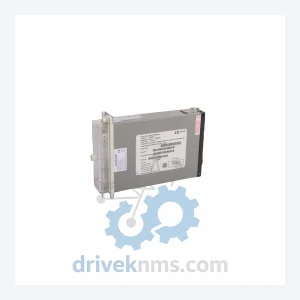
ALSTOM MVAJ105RA0802A Protection Relay – MiCOM Series
ALSTOM MVAJ105RA0802A Protection Relay: Supply Continuity Strategy for a Discontinued Critical Component The ALSTOM MVAJ105RA0802A is a numerical protection relay…
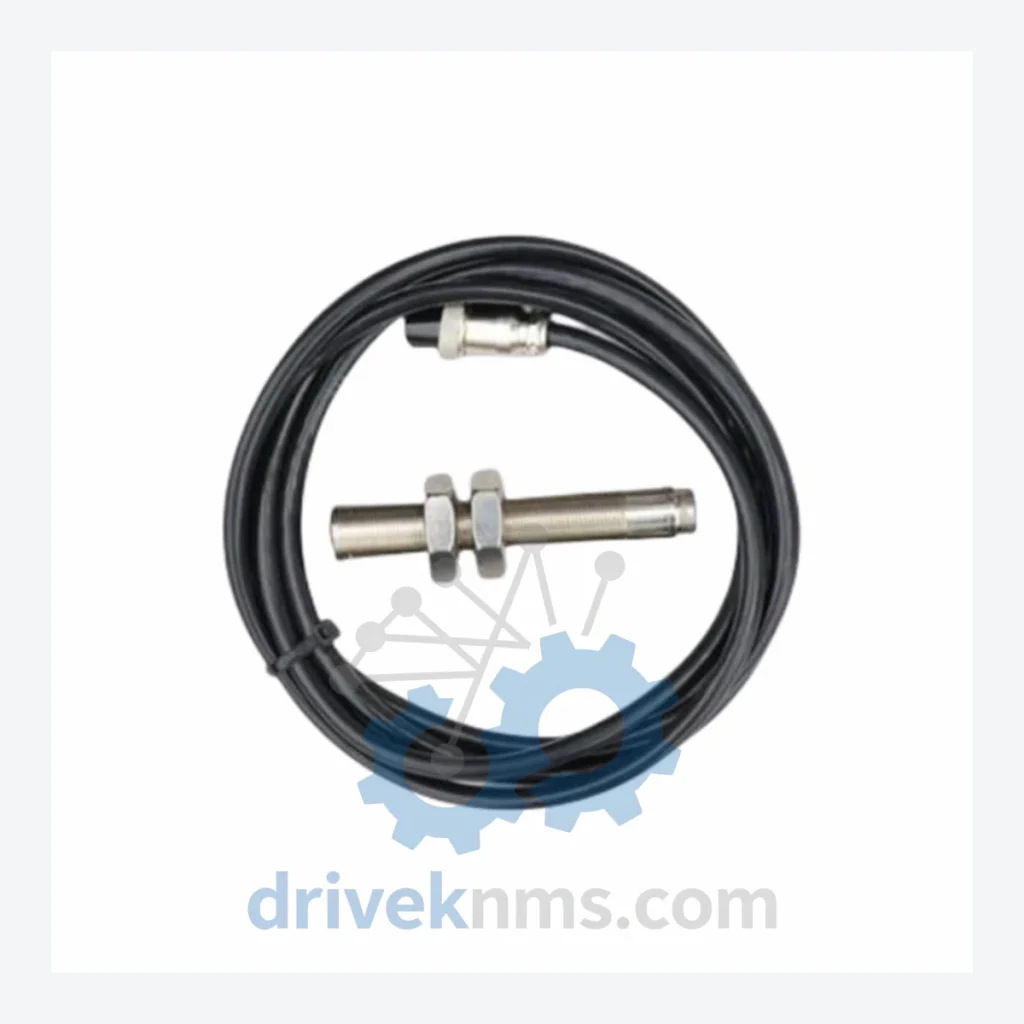
Model: SZCB-01
Product Overview
Commercial availability is handled through direct RFQ, model verification and export-oriented follow-up rather than public cart checkout.
Datasheet Preview
Use attached product manuals when available. If the manual is not public yet, request the full file directly through RFQ.
Commercial Path
Product pages on DRIVEKNMS are designed to verify model, brand and series first, then move the buyer into one clean quotation path.
Technical Dossier
When a magnetoresistive speed sensor fails inside an aging control system, the consequences are rarely limited to a single component. For plant managers operating legacy automation lines built around older PLC and DCS architectures, the loss of a speed feedback signal can trigger cascading shutdowns, force unplanned downtime, and—if no compatible replacement is available—push engineering teams toward a full system migration. A conservative estimate for a forced platform upgrade, including new hardware, re-engineering, re-commissioning, and production loss, routinely exceeds $500,000 USD. In many process-critical environments, the figure is several times higher.
The SZCB-01 is a magnetoresistive speed sensor used in industrial rotation and velocity measurement applications. It is no longer in active production. DriveKNMS maintains a limited physical inventory of this part, sourced through verified industrial channels. If your facility depends on this sensor to maintain closed-loop speed control or shaft monitoring, securing a spare now is a direct act of asset protection.
| Part Number | SZCB-01 |
| Sensor Type | Magnetoresistive Speed Sensor |
| Measurement Target | Rotational speed / shaft velocity |
| Output Signal | Pulse / frequency output (verify with your system documentation) |
| Mounting | Proximity-type, non-contact |
| Production Status | Discontinued – no longer manufactured |
| Condition Available | New old stock (NOS) / Professionally refurbished |
| Country of Origin | China |
| Compatibility | Legacy PLC/DCS speed feedback loops; verify gear tooth count and air gap with OEM documentation before installation |
Note: Electrical parameters not listed here are not confirmed. Do not assume values not stated. Always cross-reference with your original system documentation before installation.
The SZCB-01 magnetoresistive speed sensor operates on the principle of detecting changes in magnetic reluctance as ferromagnetic gear teeth pass the sensor face. This non-contact detection method made it a reliable choice for harsh industrial environments where optical encoders would fail due to contamination, vibration, or temperature extremes.
In legacy automation architectures—particularly older Chinese-manufactured CNC systems, industrial drives, and motor control panels from the 1990s and early 2000s—this sensor was integrated directly into the speed feedback loop of the drive controller. The signal it generates is used to regulate motor RPM in real time. Without a functioning SZCB-01, the drive loses its feedback reference and either faults out or operates in open-loop mode, which is unacceptable for precision applications.
The core problem facing plant managers today is not the cost of the sensor itself—it is the absence of a direct replacement in the current market. Modern magnetoresistive sensors from active manufacturers may differ in connector pinout, signal voltage levels, output waveform characteristics, or physical mounting dimensions. Retrofitting a non-identical sensor requires engineering time, wiring modifications, and in some cases, drive parameter reconfiguration. For a facility running 24/7 production, this is not a viable emergency response.
Holding a verified SZCB-01 spare on the shelf eliminates that risk entirely. The sensor drops into the existing mounting bracket, connects to the existing harness, and restores the original signal path without any system modification. This is the only scenario in which downtime is measured in minutes rather than weeks.
How to extend your automation asset life by 5–10 years through critical spare management:
For plant managers facing pressure to retire aging automation lines, a structured spare parts program targeting sensors, encoders, and signal conditioning modules can defer a full system replacement by five to ten years at a fraction of the capital cost. The SZCB-01 is one such component where a single unit in inventory represents a direct extension of your asset's operational life.
Every SZCB-01 unit shipped by DriveKNMS passes a structured 5-step inspection protocol before dispatch. This process is designed specifically for discontinued industrial components, where the risks of latent degradation are higher than for current-production parts.
Units that do not pass all five stages are not sold as functional spares. They are either downgraded to parts-only status or rejected entirely.
Q: What warranty applies to a discontinued part like the SZCB-01?
A: DriveKNMS provides a 90-day warranty covering functional defects identified under normal operating conditions. This warranty does not cover damage resulting from incorrect installation, incompatible system configuration, or operating conditions outside the sensor's design parameters. Extended warranty arrangements can be discussed for bulk orders.
Q: How do I know the unit is new or properly refurbished, not a counterfeit?
A: All units are sourced through traceable industrial supply channels. New old stock units retain original manufacturer markings. Refurbished units are clearly identified as such. DriveKNMS does not sell units of unknown origin as new. If you require documentation of the unit's source or inspection record, request it at the time of order.
Q: Should I buy more than one unit?
A: For any production-critical application, yes. The global supply of SZCB-01 units is not being replenished. If your facility operates multiple machines using this sensor, or if your production schedule cannot tolerate extended downtime, holding two to three units in reserve is a defensible maintenance decision. The cost of a spare unit is negligible compared to the cost of a production stoppage while sourcing a replacement under emergency conditions.
Q: Can this sensor be used as a replacement in a different machine that originally used a different model?
A: Only if the electrical output characteristics, physical dimensions, mounting configuration, and air gap requirements are confirmed to be compatible. Do not substitute sensors across different machine models without engineering verification. DriveKNMS can provide technical consultation to assist with compatibility assessment.
For stock availability, technical consultation, or bulk procurement inquiries:
Related Paths
ALSTOM MVAJ105RA0802A Protection Relay: Supply Continuity Strategy for a Discontinued Critical Component The ALSTOM MVAJ105RA0802A is a numerical protection relay…
MOORE 16137 Series: Comprehensive Module Range and Technical Overview The MOORE 16137 Series represents a core component family within Moore…
Yaskawa YPHT11014-1A Circuit Board – Obsolete Drive Control Spare Part When a Yaskawa YPHT11014-1A circuit board fails in a production…