
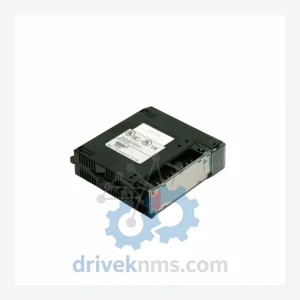
GE MIO-A-2-610 Output Source Module – Obsolete Series 90 Spare Part
GE MIO-A-2-610 Output Source Module – Obsolete Series 90 Spare Part When a GE MIO-A-2-610 Output Source Module fails in…
Model: UR8LH
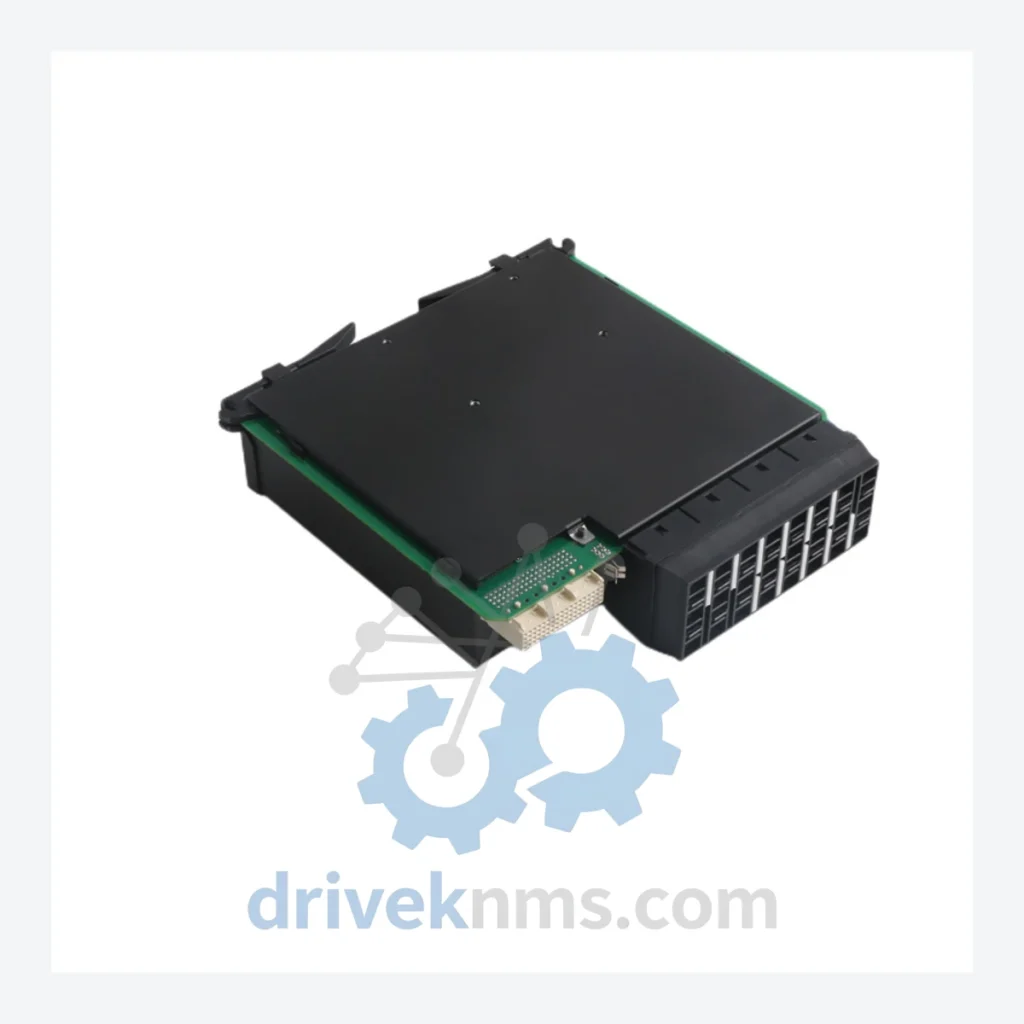
Product Overview
Commercial availability is handled through direct RFQ, model verification and export-oriented follow-up rather than public cart checkout.
Datasheet Preview
Use attached product manuals when available. If the manual is not public yet, request the full file directly through RFQ.
Commercial Path
Product pages on DRIVEKNMS are designed to verify model, brand and series first, then move the buyer into one clean quotation path.
Technical Dossier
The GE Fanuc Series 90-30 Programmable Logic Controller (PLC) is one of the most widely deployed control platforms in global heavy industry. Installed across petrochemical refineries, nuclear power generation facilities, offshore platforms, pulp and paper mills, and large-scale chemical processing plants, the 90-30 architecture has maintained a dominant installed base since its commercial introduction in the late 1980s. Its modular rack-based design, deterministic scan cycle, and broad I/O density made it the default selection for mid-range process automation throughout the 1990s and 2000s. The UR8LH is a relay output module within this platform, providing 2 Form A (SPST-NO) and 2 Form C (SPDT) isolated relay contacts for interfacing with high-voltage field devices, motor starters, solenoid valves, and alarm annunciators.
The Series 90-30 was introduced by GE Fanuc Automation as a successor to the Series Six and Series Five platforms. Early rack configurations supported 5-slot and 10-slot backplanes with a shared parallel backplane bus. CPU modules evolved from the IC693CPU311 (fixed 6K word program memory) through the IC693CPU364 and IC693CPU374, which introduced expanded memory, Ethernet co-processor support, and floating-point math capability. The backplane communication protocol remained backward-compatible across generations, allowing mixed-generation I/O modules to coexist within the same rack — a critical factor for long-lifecycle plant maintenance strategies. By the mid-2000s, GE Intelligent Platforms (the renamed division) began positioning the PACSystems RX3i as the migration target for 90-30 installations. Despite this, the 90-30 remains in active service at thousands of sites globally, and demand for spare modules — particularly relay output, analog input, and CPU modules — remains consistent. The platform is now firmly in its maintenance and lifecycle-extension phase, with no new hardware development. All procurement is sourced from surplus inventory, authorized distributors, and specialist spare parts suppliers.
CPU Modules
Discrete Output Modules
Discrete Input Modules
Analog Modules
Communication & Network Modules
Power Supply Modules
Specialty & Positioning Modules
The GE Fanuc 90-30 series reached end-of-active-production status, with GE Intelligent Platforms (later Emerson Automation Solutions following the 2018 acquisition) directing new projects to the PACSystems RX3i platform. This transition has created a sustained secondary market for 90-30 spare parts, particularly for facilities operating under long-term maintenance contracts or regulatory frameworks that prohibit mid-lifecycle control system replacements (common in nuclear, pharmaceutical, and defense-adjacent industries).
DriveKNMS maintains a dedicated inventory of 90-30 modules sourced from decommissioned plant equipment, authorized surplus channels, and factory-refurbished stock. All modules are catalogued by part number, firmware revision where applicable, and physical condition grade. For obsolete CPU variants (IC693CPU311, IC693CPU321) and legacy communication modules (IC693CMM321), DriveKNMS provides cross-reference support to identify functionally equivalent replacements where direct substitution is not possible. Customers operating under IEC 61511 or ISA-84 safety lifecycle requirements can request documentation packages including test records and traceability data.
The 90-30 backplane uses a parallel bus architecture with active termination. Modules with degraded backplane connectors or corroded edge contacts are a primary failure mode in aged installations. DriveKNMS applies a multi-stage inspection protocol to all 90-30 modules prior to dispatch:
Modules that fail any stage are quarantined, documented, and not returned to saleable stock.
Related Paths
GE MIO-A-2-610 Output Source Module – Obsolete Series 90 Spare Part When a GE MIO-A-2-610 Output Source Module fails in…
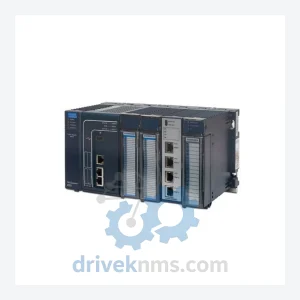
GE Fanuc PACSystems RX3i IC695 Series: Comprehensive Module Range and Technical Overview The GE Fanuc PACSystems RX3i platform, identified by…
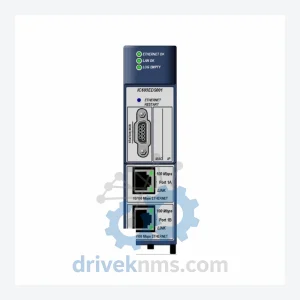
GE Fanuc IC694PSM001-BB Servo Positioning Module: Global Sourcing Strategy & Asset Return Value The GE Fanuc IC694PSM001-BB is a single-axis…