
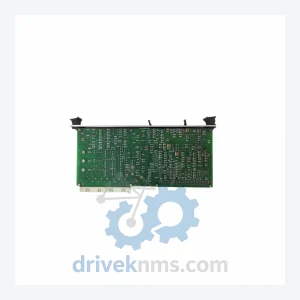
Yokogawa K9634DA-01 TCD Card Modules
Yokogawa K9634DA Series: Comprehensive Module Range and Technical Overview The Yokogawa K9634DA series TCD (Thermocouple/mV Input) cards are field-proven I/O…
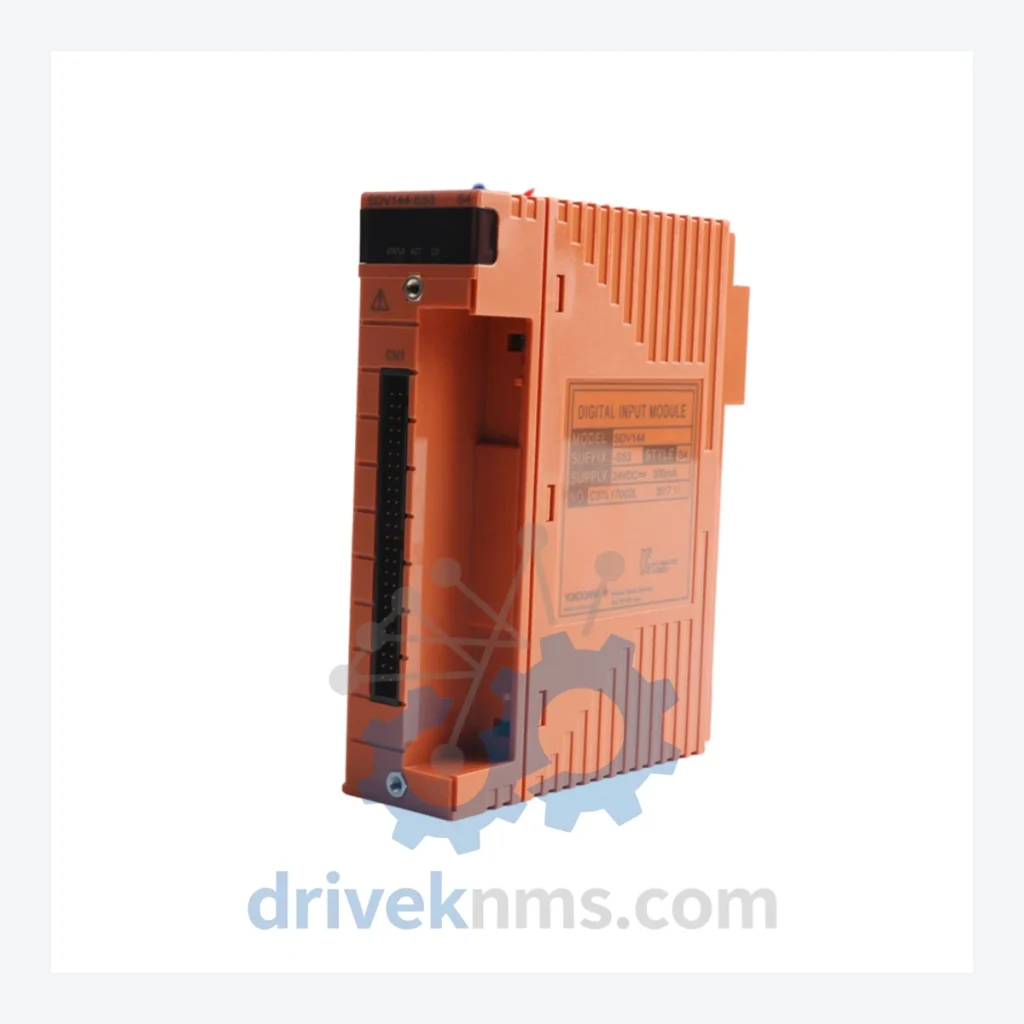
Model: SDV144-S53 S4
Product Overview
Commercial availability is handled through direct RFQ, model verification and export-oriented follow-up rather than public cart checkout.
Datasheet Preview
Use attached product manuals when available. If the manual is not public yet, request the full file directly through RFQ.
Commercial Path
Product pages on DRIVEKNMS are designed to verify model, brand and series first, then move the buyer into one clean quotation path.
Technical Dossier
When a Digital Input Module fails in a Yokogawa CENTUM-based control system, the consequences extend far beyond a single card replacement. A forced migration to a current-generation DCS platform — driven solely by the unavailability of one obsolete module — routinely carries engineering, commissioning, and production-loss costs measured in the hundreds of thousands to millions of dollars. The SDV144-S53 S4 is no longer manufactured. Every unit remaining in the market represents a direct buffer against that capital exposure.
DriveKNMS maintains verified stock of the Yokogawa SDV144-S53 S4. This is not a catalog listing — it is a confirmed, physically inspected unit available for immediate allocation.
| Parameter | Detail |
|---|---|
| Manufacturer | Yokogawa Electric Corporation |
| Part Number | SDV144-S53 S4 |
| Module Type | Digital Input Module |
| Compatible System | Yokogawa CENTUM Series DCS |
| Country of Origin | Japan |
| Production Status | Discontinued / Obsolete – No longer manufactured by Yokogawa |
| Electrical Parameters | Refer to Yokogawa CENTUM system documentation; parameters not independently verified and will not be stated to avoid inaccuracy |
Note: Electrical parameters for discontinued modules carry safety implications. DriveKNMS does not publish unverified specifications. Buyers are advised to cross-reference the original Yokogawa engineering datasheet.
The Yokogawa CENTUM platform — spanning CENTUM CS, CENTUM CS 1000, CENTUM CS 3000, and related sub-architectures — represents decades of installed base across refining, petrochemical, power generation, and pharmaceutical facilities worldwide. These systems were engineered for 20–30 year operational lifespans, and many remain in active production service well beyond their original design horizon.
The SDV144-S53 S4 Digital Input Module occupies a defined I/O slot within these architectures. Its signal acquisition function is not abstracted — it is hardwired into the system's field wiring termination and I/O bus topology. There is no software patch that compensates for a failed unit. There is no firmware update that restores lost digital input channels. The physical module must be replaced with an identical or fully compatible unit.
For plant managers facing system retirement pressure from corporate asset teams, the calculus is straightforward: a single verified spare module, procured now, can defer a multi-million dollar DCS migration by 3 to 7 years. That deferral window allows production schedules to be maintained, capital budgets to be allocated on the plant's terms rather than forced by hardware failure, and engineering teams to plan migrations with adequate lead time rather than executing emergency cutover under production pressure.
The strategy is not complex. It requires only that procurement acts before the failure event, not after. Post-failure sourcing of obsolete modules on the open market is possible but carries lead times of weeks to months and price premiums that dwarf the cost of proactive inventory. A facility running a CENTUM-based system without at least one verified SDV144-S53 S4 spare on the shelf is carrying an unquantified but material operational risk.
DriveKNMS applies a structured 5-step inspection protocol to all obsolete modules before allocation:
Units are shipped in anti-static packaging with desiccant. Condition grade (New Surplus, Refurbished, or Used-Tested) is disclosed in writing prior to order confirmation.
Q: What warranty applies to an obsolete module like the SDV144-S53 S4?
A: DriveKNMS provides a 90-day warranty covering functional defects identified under normal operating conditions. Warranty terms are confirmed in writing at the time of order. Extended warranty arrangements are available for volume procurement.
Q: How do I know the unit is genuine and not counterfeit?
A: All units sourced by DriveKNMS are traceable to documented supply channels. Physical markings, board revision codes, and component profiles are cross-referenced against known-genuine references. We do not source from unverified brokers. Inspection reports are available upon request for critical procurement decisions.
Q: Should I buy more than one unit?
A: For any CENTUM installation where the SDV144-S53 S4 is a populated module type, holding a minimum of one cold spare per installed unit is the standard recommendation for facilities with no OEM support contract. For high-criticality loops — those tied to safety instrumented functions or primary production throughput — two spares per installed unit is a defensible position. The cost of a second spare module is negligible relative to the cost of a single unplanned production outage.
Q: Can DriveKNMS source additional units if I need more?
A: Availability of discontinued modules fluctuates. Current confirmed stock is limited. Inquiries for quantities beyond available stock are accepted and sourced on a best-effort basis with transparent lead time communication.
© 2026 DriveKNMS. Status: DRAFT
Related Paths
Yokogawa K9634DA Series: Comprehensive Module Range and Technical Overview The Yokogawa K9634DA series TCD (Thermocouple/mV Input) cards are field-proven I/O…
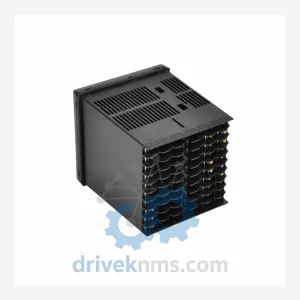
Yokogawa UT350-01 Digital Indicating Controller – Obsolete UT Series Spare Part When a Yokogawa UT350-01 fails on the plant floor,…
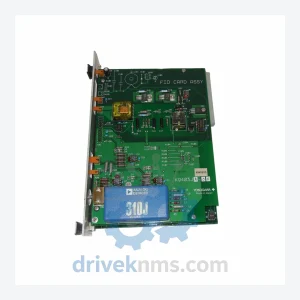
YOKOGAWA K9403 Series: Comprehensive Module Range and Technical Overview The YOKOGAWA K9403 series Field Indication Device (FID) cards are deployed…