
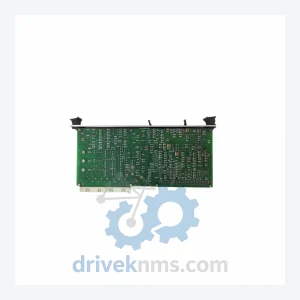
Yokogawa K9634DA-01 TCD Card Modules
Yokogawa K9634DA Series: Comprehensive Module Range and Technical Overview The Yokogawa K9634DA series TCD (Thermocouple/mV Input) cards are field-proven I/O…
Model: PSCAIAAN
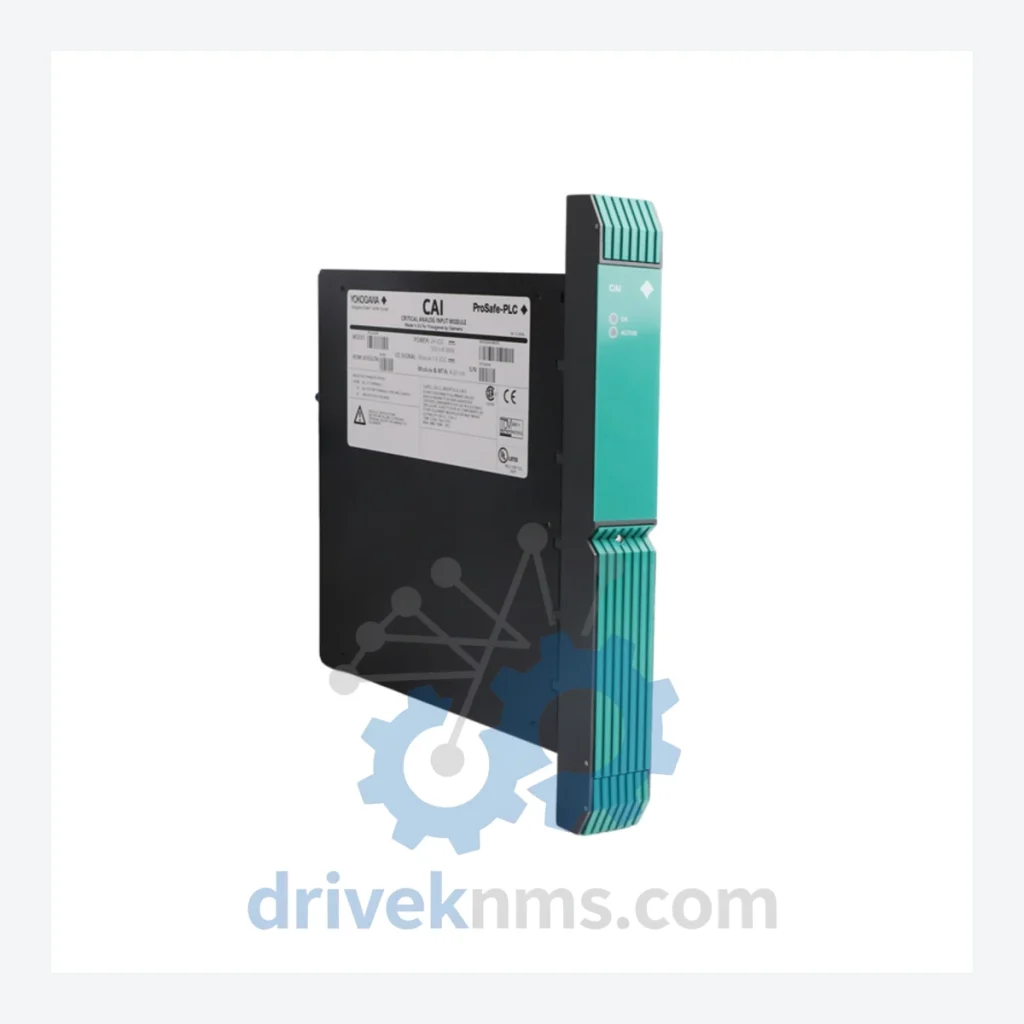
Product Overview
Commercial availability is handled through direct RFQ, model verification and export-oriented follow-up rather than public cart checkout.
Datasheet Preview
Use attached product manuals when available. If the manual is not public yet, request the full file directly through RFQ.
Commercial Path
Product pages on DRIVEKNMS are designed to verify model, brand and series first, then move the buyer into one clean quotation path.
Technical Dossier
The Yokogawa PSCA series represents a family of critical analog input modules engineered for deployment within Yokogawa's CENTUM VP and CS 3000 Distributed Control Systems (DCS). These modules occupy a foundational role in process measurement infrastructure across global heavy industry sectors, including petrochemical refineries, nuclear power generation facilities, offshore oil and gas platforms, and large-scale chemical processing plants. The PSCA series is designed to interface directly with field instruments — thermocouples, RTDs, pressure transmitters, and flow sensors — converting analog signals into digital process values for the DCS controller. Installed base counts for CENTUM VP and CS 3000 systems number in the tens of thousands of units worldwide, making PSCA series modules among the most strategically critical spare parts in any plant's MRO inventory.
The PSCA module family traces its lineage to Yokogawa's CENTUM XL and CENTUM CS platforms of the 1990s, where analog input processing was handled by discrete card-based architectures with limited channel density. With the introduction of CENTUM CS 3000 in the late 1990s, Yokogawa consolidated analog input functionality into the PSCA form factor — a compact, DIN-rail-compatible module with standardized backplane connectors enabling hot-swap replacement without process interruption. The transition to CENTUM VP in the mid-2000s retained backward compatibility with PSCA hardware at the physical and signal-level, though firmware revisions introduced enhanced diagnostics, HART pass-through capability, and improved EMC shielding. As of 2026, the PSCA series is classified as a mature product line. Yokogawa continues to supply replacement modules and provides lifecycle extension support, but new greenfield projects are directed toward the CENTUM VP R6 platform with updated module families. Plants operating legacy CS 3000 or early CENTUM VP installations are advised to maintain a minimum 12-month buffer stock of critical PSCA variants to mitigate lead-time risk from the secondary market.
The following SKUs represent the verified PSCA series module range. Each entry is classified by functional category and includes a concise technical descriptor.
Analog Input Modules (AI)
Analog Output Modules (AO)
Digital Input / Output Modules (DI/DO)
Communication & Power Modules
DriveKNMS maintains a dedicated inventory program for PSCA series modules, with particular focus on variants that have been discontinued from Yokogawa's standard production schedule. As the CENTUM CS 3000 platform approaches end-of-active-support status, procurement lead times through OEM channels for specific PSCA SKUs have extended to 26–52 weeks in documented cases. DriveKNMS sources PSCA modules through a verified network of decommissioned plant asset liquidations, authorized distributor overstock, and factory-refurbished units. All sourced modules are subject to full functional testing prior to dispatch. For plants requiring long-term maintenance agreements covering PSCA inventory, DriveKNMS offers consignment stocking arrangements with guaranteed 48-hour dispatch for pre-agreed critical SKUs. Inquiries for bulk quantities or specific revision levels (e.g., hardware revision suffix -H00 vs. -S00) should be directed to the procurement team with full part number and required quantity.
PSCA series modules incorporate a multi-layer backplane bus architecture that requires specialized test procedures beyond standard power-on verification. DriveKNMS applies the following test protocol to all PSCA units processed through its facility: (1) Visual inspection of backplane connector pins for oxidation, mechanical deformation, and solder joint integrity under 10x magnification. (2) Powered functional test using a Yokogawa CENTUM VP test bench, verifying channel-by-channel signal accuracy against calibrated reference sources traceable to national standards. (3) HART communication verification for all HART-capable AI/AO variants, confirming primary variable pass-through and device descriptor response. (4) Insulation resistance test at 500 VDC between signal commons and chassis ground, minimum 100 MΩ acceptance threshold. (5) Thermal soak at 55°C for 2 hours to screen latent component failures. (6) Final calibration certificate issued with as-found and as-left data for each analog channel. Units failing any stage are quarantined and not returned to serviceable stock.
Related Paths
Yokogawa K9634DA Series: Comprehensive Module Range and Technical Overview The Yokogawa K9634DA series TCD (Thermocouple/mV Input) cards are field-proven I/O…
Yokogawa UT350-01 Digital Indicating Controller – Obsolete UT Series Spare Part When a Yokogawa UT350-01 fails on the plant floor,…
YOKOGAWA NFDR Series: Comprehensive Module Range and Technical Overview The YOKOGAWA NFDR series relay output modules are core field control…