
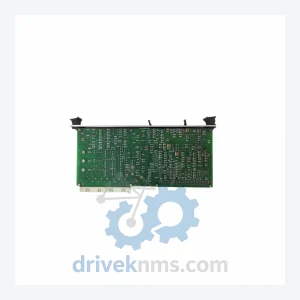
Yokogawa K9634DA-01 TCD Card Modules
Yokogawa K9634DA Series: Comprehensive Module Range and Technical Overview The Yokogawa K9634DA series TCD (Thermocouple/mV Input) cards are field-proven I/O…
Model: ANB10D-415/CU2T
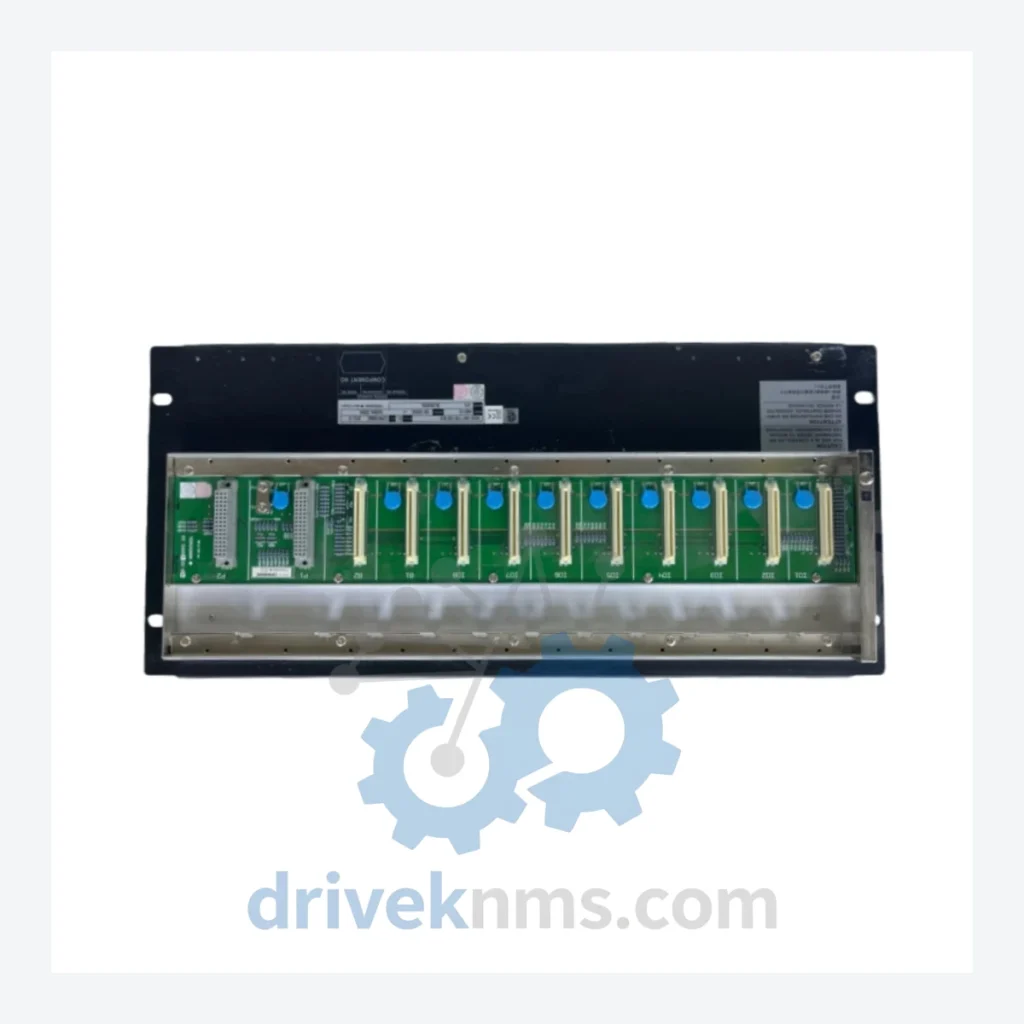
Product Overview
Commercial availability is handled through direct RFQ, model verification and export-oriented follow-up rather than public cart checkout.
Datasheet Preview
Use attached product manuals when available. If the manual is not public yet, request the full file directly through RFQ.
Commercial Path
Product pages on DRIVEKNMS are designed to verify model, brand and series first, then move the buyer into one clean quotation path.
Technical Dossier
The Yokogawa CENTUM CS 3000 is a distributed control system (DCS) platform deployed across heavy industrial sectors including petroleum refining, petrochemical complexes, LNG terminals, nuclear power auxiliary systems, and large-scale chemical manufacturing. First introduced in the late 1990s as the successor to the CENTUM-XL and CENTUM CS platforms, the CS 3000 established itself as one of the most widely installed DCS architectures in Asia-Pacific and the Middle East. Its modular I/O architecture, redundant field control station (FCS) design, and ESB (Extended Serial Backplane) bus topology made it the reference platform for process automation projects requiring high availability and deterministic scan cycles. Installed base estimates place the CS 3000 in thousands of process units globally, with many sites operating well beyond the original 20-year design lifecycle. DriveKNMS maintains a dedicated inventory of CS 3000 modules to support these long-term operational commitments.
The CENTUM CS 3000 architecture is organized around the Field Control Station (FCS), which houses the processor card, I/O modules, and communication adapters on a common ESB backplane. The ESB bus operates as a high-speed serial backplane interconnect, replacing the parallel bus of earlier CENTUM generations and enabling higher I/O density per station. Early CS 3000 revisions (R1.x–R2.x) used the AFV10D/AFV20D processor cards with limited redundancy options. The R3.x generation introduced dual-redundant FCS configurations (KFCS, RFCS) and expanded the analog I/O module range. R4.x and later revisions added FOUNDATION Fieldbus H1 and PROFIBUS-DP integration via dedicated communication modules, extending the platform's compatibility with smart field devices. The CS 3000 was formally succeeded by the CENTUM VP platform beginning around 2008, though Yokogawa continued to supply CS 3000 spare parts and engineering support for many years thereafter. As of the mid-2020s, the CS 3000 is in the mature-to-end-of-life phase of its product lifecycle. Yokogawa's official lifecycle policy classifies many CS 3000 modules as discontinued or limited supply, making third-party spare parts distributors a critical resource for plant maintenance teams managing multi-year turnaround cycles.
The following SKUs represent the core module range of the CENTUM CS 3000 platform, organized by functional category. All models listed are genuine Yokogawa hardware. Availability varies by model; contact DriveKNMS for current stock status.
ESB Bus Node & Communication Modules
Analog Input (AI) Modules
Analog Output (AO) Modules
Digital Input (DI) Modules
Digital Output (DO) Modules
Power Supply Modules
Processor / CPU Modules
The CENTUM CS 3000 platform has entered the end-of-support phase for many module types. Yokogawa's official channels no longer stock the full range of CS 3000 I/O modules, ESB bus node units, or legacy processor cards. For plant operators committed to running CS 3000-based control systems through the next major turnaround or capital project cycle, third-party sourcing is the primary procurement path. DriveKNMS specializes in lifecycle extension support for discontinued DCS platforms. Our CS 3000 inventory is sourced from decommissioned plant assets, authorized surplus channels, and long-term storage stock. Each unit undergoes condition assessment before listing. We maintain stock of both common modules (AAI141, ADV151) and low-volume specialty items (ANB10D variants, ACB21 couplers) that are difficult to locate through standard distribution. For customers managing multi-site CS 3000 fleets, DriveKNMS can provide blanket order arrangements and reserved stock agreements to ensure parts availability aligned with planned maintenance windows.
CS 3000 modules present specific inspection challenges due to their ESB backplane connector design and the age profile of available stock. DriveKNMS applies the following procedures to CS 3000 hardware: visual inspection of the ESB edge connector for pin deformation, oxidation, and mechanical damage; board-level inspection for capacitor condition, solder joint integrity, and corrosion on analog signal traces; functional power-on testing where applicable using CS 3000-compatible test fixtures; firmware revision verification against Yokogawa's published revision history to confirm compatibility with target system software versions; and packaging in anti-static, humidity-controlled materials with individual serial number documentation. For ANB10D bus node units specifically, the dual-port communication interface (CU2T suffix) is tested for both port A and port B signal integrity prior to shipment. Units that do not pass all inspection criteria are quarantined and not listed for sale.
For sourcing inquiries, BOM reviews, or technical compatibility questions on CENTUM CS 3000 modules:
Related Paths
Yokogawa K9634DA Series: Comprehensive Module Range and Technical Overview The Yokogawa K9634DA series TCD (Thermocouple/mV Input) cards are field-proven I/O…
Yokogawa UT350-01 Digital Indicating Controller – Obsolete UT Series Spare Part When a Yokogawa UT350-01 fails on the plant floor,…
YOKOGAWA NFDR Series: Comprehensive Module Range and Technical Overview The YOKOGAWA NFDR series relay output modules are core field control…