
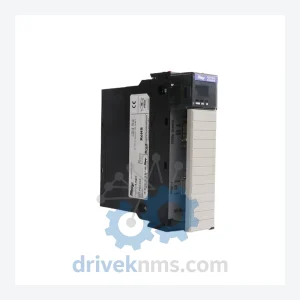
SST SST-PB3 PROFIBUS Scanner Modules: SST-PB3-CLX
SST (Molex) SST-PB3 Series: Comprehensive Module Range and Technical Overview The SST-PB3 series, developed by SST (acquired by Woodhead Industries,…
Model: 5136-PFB-VME
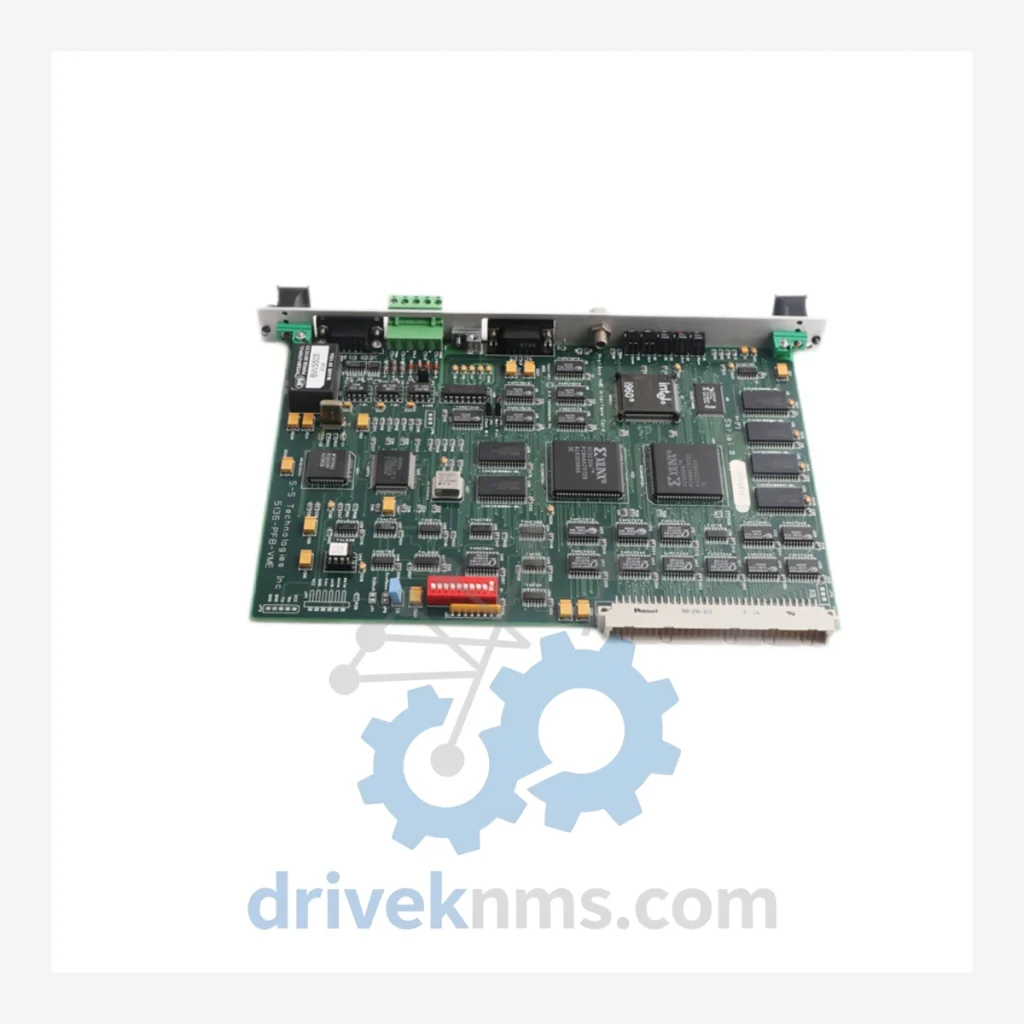
Product Overview
Commercial availability is handled through direct RFQ, model verification and export-oriented follow-up rather than public cart checkout.
Datasheet Preview
Use attached product manuals when available. If the manual is not public yet, request the full file directly through RFQ.
Commercial Path
Product pages on DRIVEKNMS are designed to verify model, brand and series first, then move the buyer into one clean quotation path.
Technical Dossier
The SST (now Molex) 5136 series represents one of the most widely deployed families of fieldbus communication interface cards in global heavy industry. Installed across petrochemical refineries, nuclear power facilities, chemical processing plants, and offshore platforms, the 5136 series provides deterministic, real-time fieldbus communication between host controllers and field devices. Its VME, ISA, PCI, and CompactPCI form factors have made it a standard component in DCS and SCADA architectures from the 1990s through the present day. The 5136-PFB-VME, in particular, remains a critical spare part for legacy VMEbus-based control systems that cannot be migrated without significant capital expenditure.
The 5136 series was originally developed by SST (Synergetic Micro Systems) and subsequently acquired by Woodhead Industries, then Molex LLC. The architecture evolved across three distinct generations. The first generation (early 1990s) targeted ISA bus hosts and supported single-protocol operation — primarily PROFIBUS-DP and DeviceNet. The second generation introduced VMEbus compatibility, enabling integration with real-time operating environments such as VxWorks and LynxOS, which were standard in nuclear and defense-adjacent industrial control. The third generation added PCI and CompactPCI (cPCI) form factors, extending the series into modern rack-mount industrial PCs while maintaining backward protocol compatibility. Throughout all generations, the on-board NEC V25 or Intel 186-class embedded processor handled protocol stack execution independently of the host CPU, ensuring deterministic scan cycle performance regardless of host load. This architecture remains relevant for systems where protocol offloading is a hard requirement. Compatibility issues arise primarily at the driver level: 32-bit Windows XP/7 drivers are not directly portable to 64-bit Windows 10/11 environments, requiring either virtualization layers or hardware replacement with modern equivalents such as the Molex SST-PB3-VME or third-party PROFIBUS masters.
The following SKUs represent the verified production catalog of the SST 5136 series, organized by bus interface and protocol:
VMEbus Interface
ISA Bus Interface
PCI Bus Interface
CompactPCI (cPCI) Interface
The SST 5136 series entered end-of-life status progressively between 2010 and 2018, with Molex formally discontinuing new production of ISA and VME variants. However, installed base volumes in legacy DCS environments — particularly in refineries and chemical plants operating on 20–30 year maintenance cycles — sustain consistent demand for tested spare units. DriveKNMS maintains a dedicated inventory of 5136-series modules sourced from decommissioned control panels, certified refurbishers, and original factory surplus channels. All units are cataloged by hardware revision and firmware version to ensure compatibility with specific host system configurations. For end-users requiring long-term maintenance agreements, DriveKNMS provides multi-year supply commitments with documented stock reservation, reducing the risk of unplanned downtime caused by obsolete component unavailability.
The 5136 series presents specific quality verification challenges due to its on-board embedded processor, dual-port RAM interface, and fieldbus transceiver circuitry. DriveKNMS applies a structured test protocol to all 5136 units prior to shipment. Each card undergoes power-on self-test (POST) verification using the SST diagnostic utility, confirming firmware integrity and embedded processor operation. PROFIBUS-DP units are tested at all supported baud rates (9.6 kbps through 12 Mbps) using a loopback fixture and a reference slave device to validate physical layer signal quality and protocol stack execution. DeviceNet units are verified against a reference scanner at 125, 250, and 500 kbps. VMEbus backplane interface integrity is confirmed using a dedicated VME test chassis. Units exhibiting marginal transceiver output, DPRAM access errors, or firmware corruption are quarantined and not offered for sale. Each shipped unit includes a test report with baud rate verification results and firmware version documentation.
Related Paths
SST (Molex) SST-PB3 Series: Comprehensive Module Range and Technical Overview The SST-PB3 series, developed by SST (acquired by Woodhead Industries,…
SST SST-PFB-PLC5 PROFIBUS Interface Module: Securing Supply Continuity for Mission-Critical Automation The SST-PFB-PLC5 is a PROFIBUS DP/FMS master/slave interface module…
SST SST-PFB-CLX: Securing Supply Continuity for a Legacy-Critical Profibus Interface The SST-PFB-CLX is a ControlLogix-platform Profibus DP master/slave scanner module…