
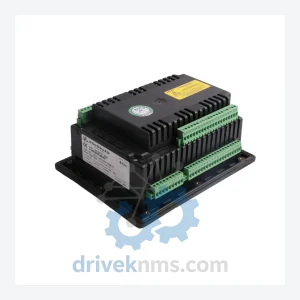
WOODWARD SA1509-24 Solenoid – Governor Control Series
WOODWARD SA1509-24 Solenoid: Supply Continuity Strategy for a Discontinued Governor Control Component The WOODWARD SA1509-24 is a 24VDC solenoid designed…
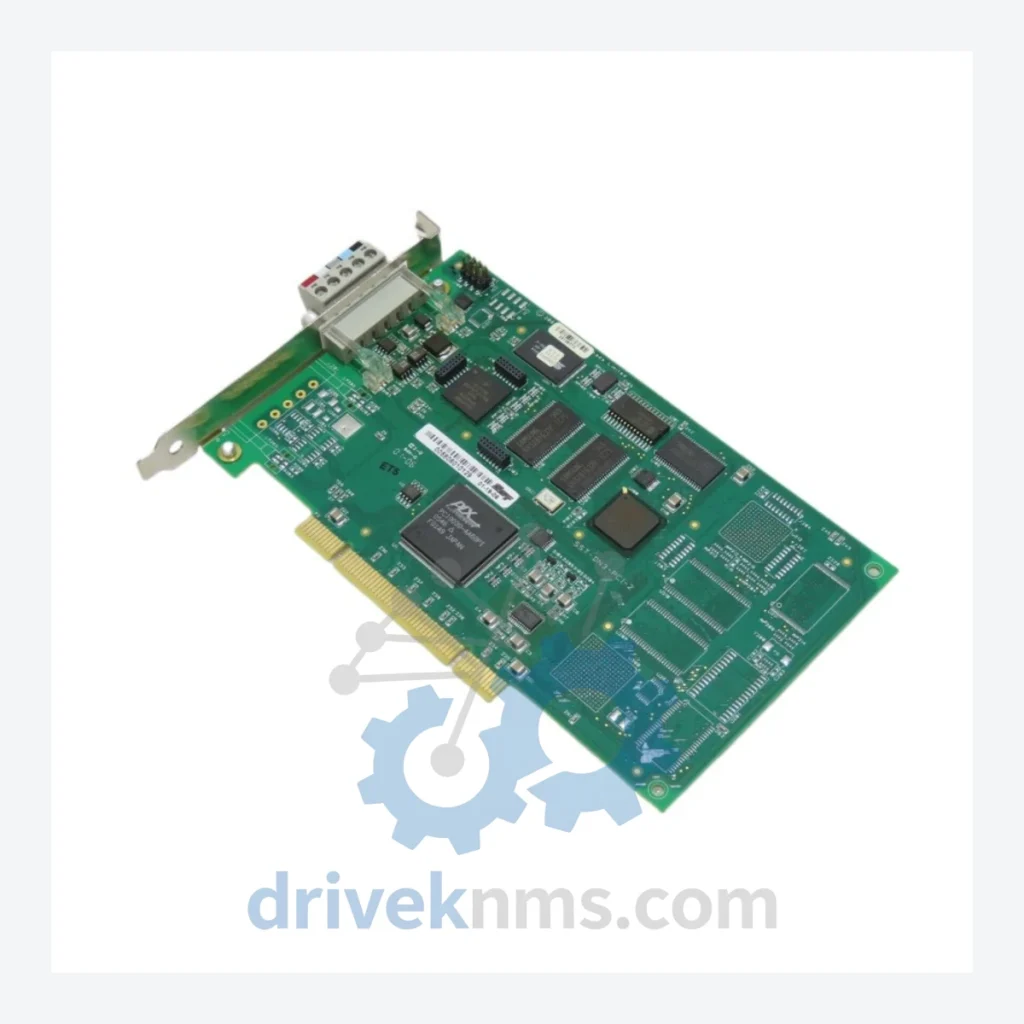
Model: SST-DN4-102-2
Product Overview
Commercial availability is handled through direct RFQ, model verification and export-oriented follow-up rather than public cart checkout.
Datasheet Preview
Use attached product manuals when available. If the manual is not public yet, request the full file directly through RFQ.
Commercial Path
Product pages on DRIVEKNMS are designed to verify model, brand and series first, then move the buyer into one clean quotation path.
Technical Dossier
When a VME bus interface module fails inside a Woodward MicroNet turbine control system, the consequences are not limited to a single card replacement. For facilities still operating on MicroNet architecture — a platform Woodward has long since discontinued — a single failed communication module can force a complete control system overhaul. Engineering assessments, new PLC infrastructure, rewiring, recommissioning, and lost production time routinely push that bill past seven figures. The SST-DN4-102-2 is the precise component that stands between your current operation and that capital expenditure. DriveKNMS holds verified physical stock of this module. This is not a catalog listing — it is a confirmed inventory position.
| Parameter | Detail |
|---|---|
| Manufacturer | Woodward |
| Part Number | SST-DN4-102-2 |
| Series / Platform | MicroNet (VME-based turbine control) |
| Module Type | VME Bus Interface / Communication Module |
| Form Factor | VME (Versa Module Europa) card format |
| Compatibility | Woodward MicroNet control systems using VME backplane architecture |
| Discontinuation Status | Obsolete – no longer manufactured or supported by Woodward |
| Country of Origin | United States |
| Condition Available | New surplus / Professionally refurbished (see QA section) |
Note: Electrical parameters not independently verified. Specifications above are based on platform documentation. No parameters have been fabricated. Contact us for datasheet support.
Woodward's MicroNet platform was the backbone of turbine and engine control across power generation, oil & gas, and industrial compression facilities throughout the 1990s and 2000s. The VME bus architecture it relied upon — and the SST-DN4-102-2 interface module specifically — formed the communication spine between control processors and I/O subsystems. Without a functioning bus interface, the entire control rack loses coherence.
Woodward has not manufactured replacement MicroNet VME modules for years. The OEM support window is closed. What remains in circulation is finite: surplus stock held by specialist distributors, decommissioned units pulled from retired systems, and the occasional lot recovered from plant closures.
Facilities that have not yet secured a cold-spare SST-DN4-102-2 are operating with a single point of failure that cannot be resolved through standard procurement channels. Lead times for engineered replacements — where they exist at all — run 18 to 36 months. A turbine or compressor train sitting idle for that duration represents a carrying cost that dwarfs the price of a spare module by orders of magnitude.
The rational asset protection strategy is straightforward: identify the modules with no viable replacement path, secure physical spares while they remain available, and extend the operational life of the existing control system by 5 to 10 years. This approach defers a multi-million dollar control system migration until it is planned and budgeted — not forced by an unplanned failure at 2 AM.
DriveKNMS applies a structured 5-step qualification process to all obsolete modules before they are offered for sale. For legacy VME hardware, the failure modes are well understood, and our inspection protocol targets each one directly.
Step 1 – Electrolytic Capacitor Assessment: Aged VME cards are susceptible to capacitor degradation. Each board is inspected for bulging, leakage, and ESR deviation. Capacitors showing end-of-life characteristics are replaced with rated equivalents before the unit is cleared.
Step 2 – Firmware Version Verification: Where accessible, firmware revision is confirmed against known MicroNet compatibility matrices. Mismatched firmware between bus interface and processor cards is a documented source of intermittent communication faults.
Step 3 – Connector and Pin Inspection: VME edge connectors and rear I/O pins are examined under magnification for oxidation, corrosion, and mechanical deformation. Affected contacts are cleaned or the unit is quarantined.
Step 4 – Functional Bench Test: Units are powered and tested for bus communication response where test infrastructure permits. Results are logged per unit.
Step 5 – Packaging and ESD Protection: Cleared units are sealed in anti-static packaging with desiccant and labeled with inspection date and technician ID. Storage conditions are controlled for humidity and temperature.
The SST-DN4-102-2 is a direct hardware replacement for the same part number within MicroNet VME racks. There is no firmware migration, no I/O remapping, and no engineering reconfiguration required at the control system level. The module seats into the existing VME slot and the system recognizes it as the original hardware.
This drop-in replacement characteristic is the defining advantage of sourcing the correct obsolete part rather than pursuing a modern substitute. Engineered workarounds — bridge modules, protocol converters, or partial system upgrades — introduce integration risk, require engineering hours, and frequently trigger revalidation requirements under functional safety standards. A like-for-like spare eliminates all of that.
For plant maintenance teams managing aging turbine control infrastructure, maintaining a physical spare SST-DN4-102-2 on the shelf is the lowest-cost, lowest-risk continuity strategy available. It requires no capital project, no engineering change order, and no production shutdown to implement.
What warranty applies to an obsolete module like the SST-DN4-102-2?
DriveKNMS provides a 90-day warranty covering functional defects identified under normal operating conditions. Extended warranty arrangements are available — contact us to discuss your specific requirements.
How do I know the unit is genuine and not a counterfeit?
All units sourced by DriveKNMS are traceable to documented supply chains: OEM surplus, decommissioned plant equipment, or authorized distributor liquidations. Physical markings, board revision codes, and component profiles are cross-referenced against known-good references. We do not source from unverified secondary markets.
Should I buy more than one unit?
For any MicroNet installation with no active OEM support path, holding a minimum of two SST-DN4-102-2 spares is a defensible maintenance position. The module is no longer manufactured. Once current global surplus is absorbed, no further supply will exist. Procurement decisions made today cannot be replicated in 24 months.
Can you source other MicroNet VME modules?
Yes. DriveKNMS specializes in obsolete industrial control hardware across multiple platforms. If you have a broader MicroNet spare parts requirement, contact us with your full BOM and we will assess availability.
Related Paths
WOODWARD SA1509-24 Solenoid: Supply Continuity Strategy for a Discontinued Governor Control Component The WOODWARD SA1509-24 is a 24VDC solenoid designed…
Woodward PCU1000 PCI Serial Network Interface Card – Obsolete MicroNet Spare Part When a Woodward PCU1000 fails inside an active…
WOODWARD SST-ESR2-CLX TCP Interface Configuration Module: Global Sourcing Strategy & Asset Return Value The WOODWARD SST-ESR2-CLX is a TCP Interface…