
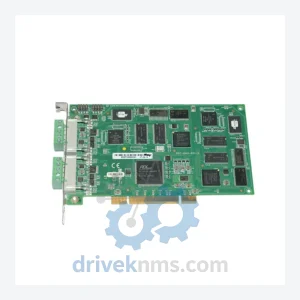
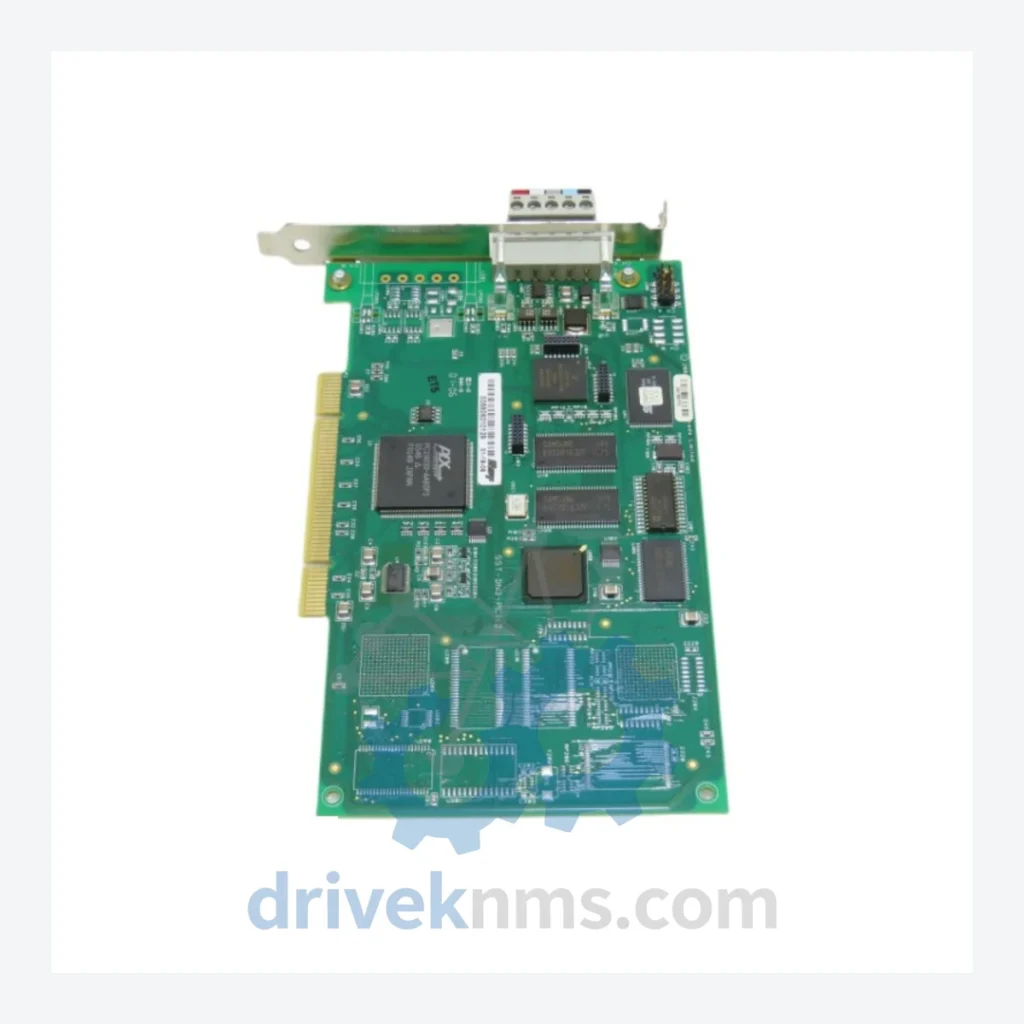
Woodward SST-DN3 PCI DeviceNet Interface Cards
Woodward SST-DN3 Series: Comprehensive Module Range and Technical Overview The Woodward SST-DN3 series — developed under the SST (Spectrum System…
Model: SST-DN3-PCU-2-E SST-DN3-PCI-2
Product Overview
Commercial availability is handled through direct RFQ, model verification and export-oriented follow-up rather than public cart checkout.
Datasheet Preview
Use attached product manuals when available. If the manual is not public yet, request the full file directly through RFQ.
Commercial Path
Product pages on DRIVEKNMS are designed to verify model, brand and series first, then move the buyer into one clean quotation path.
Technical Dossier
When a DeviceNet master interface card fails in a legacy control architecture, the consequences extend far beyond a single node going offline. The SST-DN3-PCU-2-E and SST-DN3-PCI-2 are PCI-bus DeviceNet master/slave interface cards from Woodward's SST series — hardware that has been discontinued and is no longer manufactured. These cards served as the communication backbone in thousands of industrial automation cells built during the 1990s and 2000s, interfacing host PCs and industrial workstations directly with DeviceNet field devices: drives, sensors, valve manifolds, and I/O blocks.
A single failed card of this type can halt an entire production line. Replacing the surrounding system — the host PC, the DeviceNet network topology, the field devices, and the associated software configuration — routinely costs manufacturers between USD $200,000 and $1,500,000 when engineering hours, downtime, and revalidation are factored in. DriveKNMS maintains verified stock of these discontinued cards specifically to prevent that outcome.
| Parameter | Detail |
|---|---|
| Manufacturer | Woodward / SST (formerly Woodhead SST) |
| Part Numbers | SST-DN3-PCU-2-E (PCI Universal) / SST-DN3-PCI-2 (PCI) |
| Network Protocol | DeviceNet (CAN-based, ISO 11898) |
| Bus Interface | PCI (32-bit, 33 MHz) |
| Node Capability | Master and/or Slave operation |
| Max Network Nodes | 64 nodes per network |
| Baud Rates Supported | 125 kbps, 250 kbps, 500 kbps |
| OS Support (at time of manufacture) | Windows NT/2000/XP; VxWorks; QNX (driver-dependent) |
| Discontinuation Status | Confirmed discontinued – no longer in production |
| Country of Origin | United States |
Note: Electrical parameters not independently verified are intentionally omitted. All specifications above are drawn from published SST documentation. Do not substitute based on unverified third-party data.
The SST-DN3-PCU-2-E and SST-DN3-PCI-2 were widely deployed in automation systems built around Allen-Bradley (Rockwell) DeviceNet networks, as well as in systems integrating Omron, Siemens, and Schneider Electric DeviceNet field devices. Host workstations running RSNetWorx for DeviceNet or custom OPC-DA server stacks depended on these cards as the sole hardware interface to the network.
When Woodward discontinued the SST series, no direct plug-in replacement entered the market with identical driver compatibility and form factor. Third-party alternatives require driver migration, software reconfiguration, and in many cases a full network re-commissioning — work that can consume weeks of engineering time and trigger mandatory process revalidation in regulated industries such as pharmaceuticals, food processing, and automotive manufacturing.
The practical consequence: a facility running a DeviceNet-based control system built before 2010 that loses this card faces a binary choice — source the original hardware, or fund a system-wide upgrade. For assets with 5–10 years of remaining productive life, the upgrade path is economically indefensible. Sourcing the original card is the rational decision.
How to extend your automation asset life by 5–10 years through strategic spare parts management:
Discontinued hardware sourced from secondary markets carries inherent risk. DriveKNMS applies a structured 5-step qualification process to all SST-DN3-PCU-2-E and SST-DN3-PCI-2 units before they are offered for sale:
What warranty applies to discontinued parts?
DriveKNMS provides a 90-day functional warranty on all tested units. The warranty covers failure under normal operating conditions and excludes damage resulting from incorrect installation or incompatible host environments. Contact us before installation if you have questions about compatibility.
How do I confirm the card is genuine and not counterfeit?
All units supplied by DriveKNMS are inspected for board markings, component layout, and serial number format consistent with authentic SST production. We do not source from unverified brokers. Provenance documentation is available on request for units where chain of custody records exist.
Should I buy more than one unit?
For any production-critical system running on discontinued hardware, holding a minimum of one tested spare is standard practice. For facilities with multiple DeviceNet master nodes using this card, we recommend establishing a small strategic reserve. We can discuss volume pricing and long-term storage options directly.
Can you source other SST DeviceNet or Profibus cards?
Yes. DriveKNMS specializes in obsolete and hard-to-find industrial communication hardware across multiple protocols and manufacturers. Contact us with your part number.
Related Paths
Woodward SST-DN3 Series: Comprehensive Module Range and Technical Overview The Woodward SST-DN3 series — developed under the SST (Spectrum System…
ALSTOM MVAJ105RA0802A Protection Relay: Supply Continuity Strategy for a Discontinued Critical Component The ALSTOM MVAJ105RA0802A is a numerical protection relay…
MOORE 16137 Series: Comprehensive Module Range and Technical Overview The MOORE 16137 Series represents a core component family within Moore…