
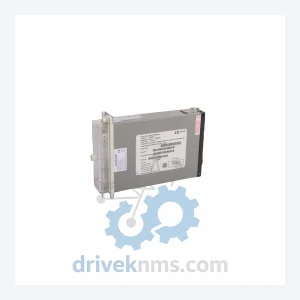
ALSTOM MVAJ105RA0802A Protection Relay – MiCOM Series
ALSTOM MVAJ105RA0802A Protection Relay: Supply Continuity Strategy for a Discontinued Critical Component The ALSTOM MVAJ105RA0802A is a numerical protection relay…
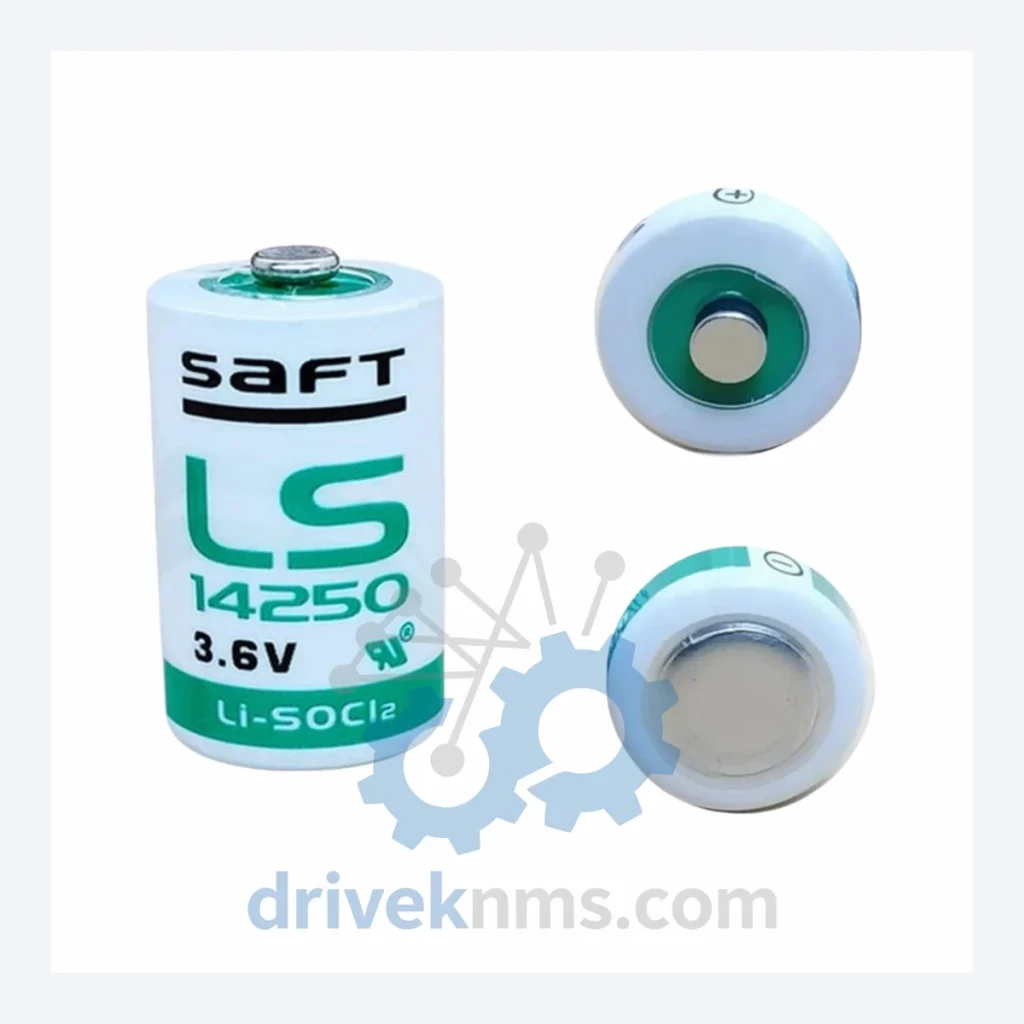
Model: LS14250
Product Overview
Commercial availability is handled through direct RFQ, model verification and export-oriented follow-up rather than public cart checkout.
Datasheet Preview
Use attached product manuals when available. If the manual is not public yet, request the full file directly through RFQ.
Commercial Path
Product pages on DRIVEKNMS are designed to verify model, brand and series first, then move the buyer into one clean quotation path.
Technical Dossier
When a PLC loses its memory backup battery, the consequences extend far beyond a simple component swap. In legacy automation environments — where the control program, calibration data, and process parameters are stored in battery-backed SRAM — a failed LS14250 can trigger an unplanned line shutdown, force a full system re-commissioning, and in worst cases, expose the facility to the cost of replacing an entire controller platform that has long since been discontinued by its OEM. For plants running Siemens S5, Allen-Bradley SLC 500, Mitsubishi MELSEC A-series, Yokogawa CENTUM, or similar legacy DCS/PLC architectures, sourcing a verified LS14250 is not a procurement exercise — it is an asset protection decision.
DriveKNMS maintains verified stock of the Saft LS14250 specifically to serve facilities that cannot afford the risk of an unplanned outage caused by a depleted backup cell.
| Parameter | Value |
|---|---|
| Part Number | LS14250 |
| Manufacturer | Saft (France) |
| Chemistry | Lithium Thionyl Chloride (Li-SOCl₂) |
| Nominal Voltage | 3.6 V |
| Capacity | 1.2 Ah |
| Form Factor | 1/2 AA |
| Operating Temperature | -60°C to +85°C |
| Self-Discharge Rate | < 1% per year (at 20°C) |
| Termination | Axial leads / Solder tags (confirm variant on order) |
| Country of Origin | France |
| Status | Active production – classified as critical emergency spare due to long lead times and high system dependency |
The LS14250 is the de facto standard backup cell across a broad range of industrial control hardware. Its 3.6 V lithium thionyl chloride chemistry delivers a flat discharge curve and an exceptionally low self-discharge rate, making it the only viable choice for applications where the battery may sit in standby for 5–10 years between replacements. No alkaline or NiMH alternative can replicate this performance profile in a memory-backup role.
The supply risk is structural, not temporary. Saft's LS14250 is manufactured in France and distributed through a tiered industrial supply chain. During periods of logistics disruption, allocation constraints, or regional distributor stockouts, facilities that have not pre-positioned inventory face lead times measured in weeks — not days. A PLC that loses its program data while waiting for a battery is a production asset that has effectively failed.
For plant engineering and maintenance teams managing aging automation infrastructure, the LS14250 is not a commodity item. It is the single lowest-cost intervention available to protect a controller that may cost tens of thousands of dollars to replace — and whose replacement may require months of re-engineering if the original platform is no longer supported by the OEM.
Extending Asset Life by 5–10 Years Through Proactive Battery Management: The most cost-effective maintenance strategy for legacy PLC and DCS installations is a scheduled battery replacement program. Replacing the LS14250 on a fixed cycle — typically every 3–5 years depending on operating temperature — eliminates the risk of unplanned memory loss entirely. Facilities that implement this protocol routinely extend the operational life of their legacy controllers by a full decade, deferring capital expenditure on system upgrades that can run into seven figures when engineering, commissioning, and production downtime are factored in. The cost of a replacement LS14250 is negligible against this backdrop. The cost of not having one in stock when it is needed is not.
Every LS14250 unit supplied by DriveKNMS passes a structured 5-step verification process before dispatch:
Q: What warranty applies to LS14250 cells supplied by DriveKNMS?
A: We provide a 12-month warranty against manufacturing defects and premature capacity loss under normal storage and operating conditions. Warranty claims require return of the suspect unit for inspection.
Q: Are the units new or refurbished?
A: The LS14250 is a primary (non-rechargeable) lithium cell. We supply new, unused units only. Refurbishment is not applicable to primary lithium chemistry.
Q: Can I order in bulk for a strategic sparing program?
A: Yes. We recommend that facilities operating multiple legacy PLC or DCS installations maintain a minimum of 2–3 cells per controller as a strategic reserve. Contact us to discuss volume pricing and long-term supply agreements.
Q: How should LS14250 cells be stored?
A: Store at 15–25°C in a dry environment away from direct sunlight and conductive materials. Do not store in the same location as flammable materials. Follow local regulations for lithium primary cell storage.
Q: What is the lead time?
A: Subject to current stock levels. Contact us to confirm availability before placing a critical order.
Related Paths
ALSTOM MVAJ105RA0802A Protection Relay: Supply Continuity Strategy for a Discontinued Critical Component The ALSTOM MVAJ105RA0802A is a numerical protection relay…
MOORE 16137 Series: Comprehensive Module Range and Technical Overview The MOORE 16137 Series represents a core component family within Moore…
Yaskawa YPHT11014-1A Circuit Board – Obsolete Drive Control Spare Part When a Yaskawa YPHT11014-1A circuit board fails in a production…