
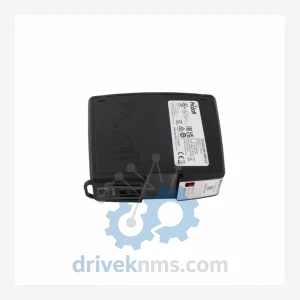
ProSoft Technology PLX32 Series Modules
ProSoft Technology PLX32 Series: Comprehensive Module Range and Technical Overview The ProSoft Technology PLX32 series is a family of standalone,…
Model: MVI56E-MCMXT
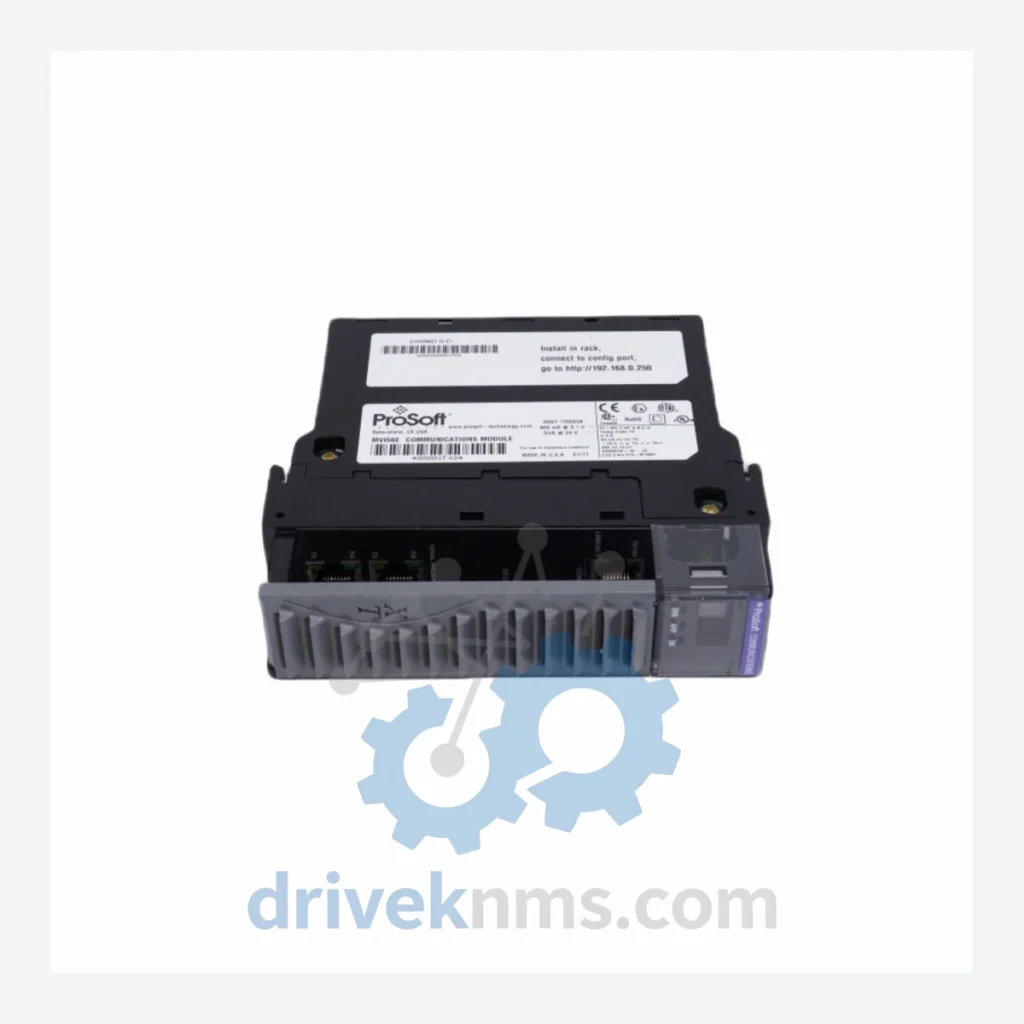
Product Overview
Commercial availability is handled through direct RFQ, model verification and export-oriented follow-up rather than public cart checkout.
Datasheet Preview
Use attached product manuals when available. If the manual is not public yet, request the full file directly through RFQ.
Commercial Path
Product pages on DRIVEKNMS are designed to verify model, brand and series first, then move the buyer into one clean quotation path.
Technical Dossier
The ProSoft Technology MVI56E series represents the second-generation in-chassis communication module platform designed for Rockwell Automation Allen-Bradley ControlLogix (1756) backplane environments. These modules are deployed across global heavy industry sectors including petrochemical refineries, nuclear power auxiliary systems, offshore oil & gas platforms, pulp and paper mills, and water treatment infrastructure. The MVI56E platform replaced the legacy MVI56 series by introducing an enhanced onboard web server, expanded diagnostic LED arrays, and a dedicated Ethernet configuration port — eliminating the need for serial passthrough configuration. Installed base estimates place MVI56E-series modules in tens of thousands of ControlLogix racks worldwide, making lifecycle support and spare parts availability a critical operational concern for plant maintenance teams.
The ProSoft MVI56E architecture evolved directly from the original MVI56 platform (circa 2002–2008), which used a DB9 serial configuration interface and lacked onboard diagnostics beyond basic LED indicators. The MVI56E generation (introduced approximately 2008–2010) standardized on an RJ45 Ethernet configuration port, an embedded web server accessible via browser for real-time diagnostics, and a dual-port memory map structure that improved data throughput between the module and the ControlLogix processor. Firmware architecture shifted to support user-configurable port parameters via ProSoft Configuration Builder (PCB) software, replacing the earlier ProSoft Configuration Manager. Compatibility constraints are significant: MVI56E modules require ControlLogix firmware 13.x or later and are not backward-compatible with SLC 500 or PLC-5 backplanes. For systems running legacy ControlLogix L1/L2 processors, the original MVI56 series remains the only in-chassis option. As of 2024, the MVI56E series is in a mature/sustaining lifecycle phase — ProSoft continues to manufacture and support these modules but has introduced the MVI56E-GSC and next-generation PLX51 series as migration paths for new installations. For existing plant infrastructure, MVI56E modules remain the preferred drop-in replacement due to identical backplane footprint and configuration file compatibility.
The following SKUs represent verified, commercially available models within the ProSoft Technology MVI56E series. Models are classified by protocol and functional role within the ControlLogix system architecture.
Modbus Protocol Modules
PROFIBUS Protocol Modules
DNP3 Protocol Modules
IEC 60870 Protocol Modules
HART Protocol Modules
ASCII / Generic Serial Modules
BACnet Protocol Modules
MVI56E modules present specific test challenges due to their dual-port serial architecture, onboard Ethernet configuration interface, and backplane communication bus. DriveKNMS applies a structured test protocol to all MVI56E units prior to dispatch. Each module is seated in a live ControlLogix 1756 test rack running a compatible L-series processor. Backplane communication is verified via RSLogix 5000 / Studio 5000 online diagnostics, confirming module status bits, data table population, and error register behavior. The onboard web server is accessed via the Ethernet configuration port to verify firmware version, port configuration retention, and diagnostic page responsiveness. For serial-port modules (MCM, MCMXT, GSC variants), both RS-232 and RS-485 port modes are tested using loopback and live Modbus poll sequences. Extended temperature variants (XT suffix) are verified for thermal stability under accelerated thermal cycling. All test results are documented and available upon request with each unit shipment.
Related Paths
ProSoft Technology PLX32 Series: Comprehensive Module Range and Technical Overview The ProSoft Technology PLX32 series is a family of standalone,…
ProSoft PLX31-EIP-MBS Gateway Module – Obsolete EtherNet/IP to Modbus Spare Part When a PLX31-EIP-MBS gateway fails in a running production…
ProSoft Technology MVI56 Series: Comprehensive Module Range and Technical Overview The ProSoft Technology MVI56 series represents one of the most…