
B&R X20CP1382 I/O Processor Module: Specs, Compatible SKUs & Availability
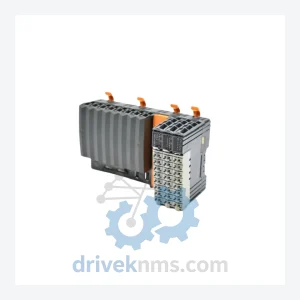
B&R X20 System Series: Comprehensive Module Range and Technical Overview The B&R X20 System is a modular I/O and control…
Model: ECCP60-01 CP60
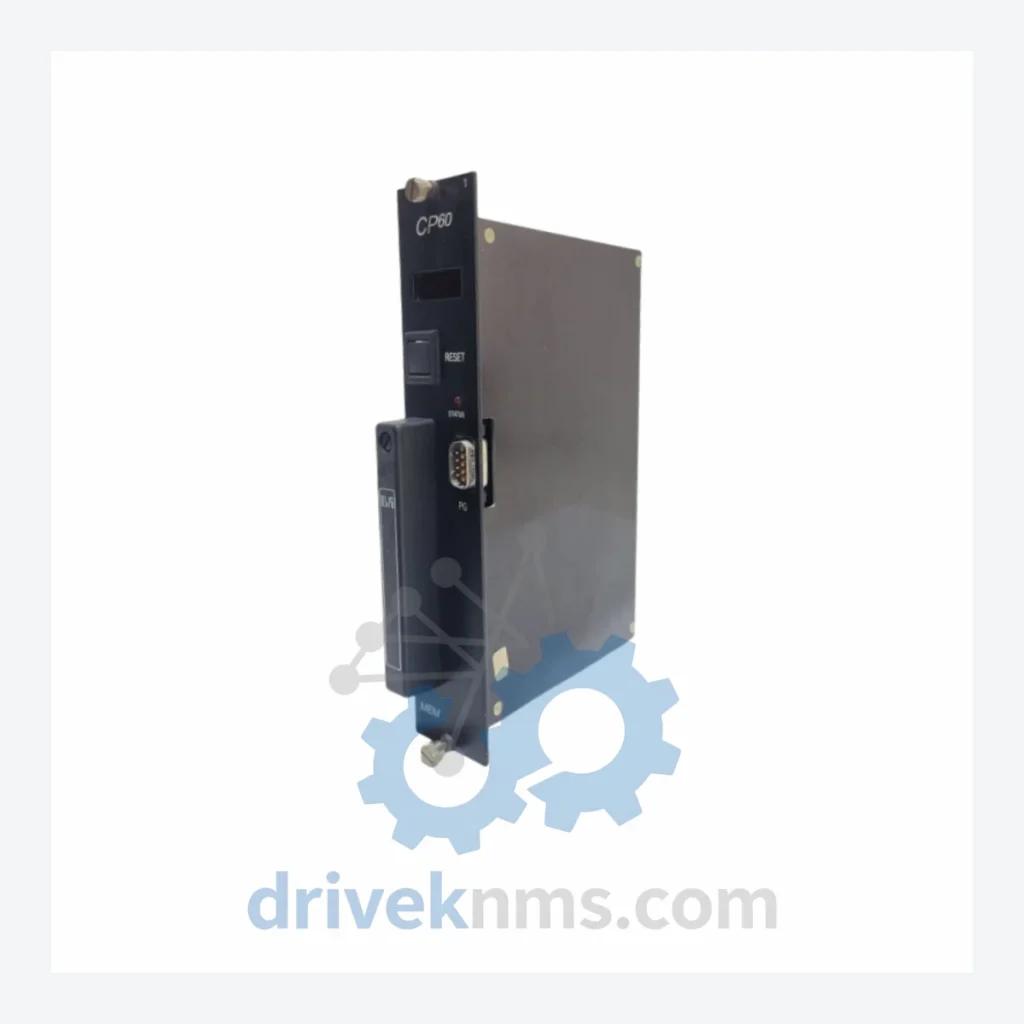
Product Overview
Commercial availability is handled through direct RFQ, model verification and export-oriented follow-up rather than public cart checkout.
Datasheet Preview
Use attached product manuals when available. If the manual is not public yet, request the full file directly through RFQ.
Commercial Path
Product pages on DRIVEKNMS are designed to verify model, brand and series first, then move the buyer into one clean quotation path.
Technical Dossier
When a B&R CP60 series processor module fails, the consequences extend far beyond a single machine going offline. The CP60 platform was deeply embedded in multi-axis motion control and process automation lines across automotive, packaging, and precision manufacturing sectors. A full system migration away from the CP60 architecture — including new hardware, re-engineering, re-commissioning, and production downtime — routinely costs plant operators USD $500,000 to several million dollars. The ECCP60-01 is no longer in active production. Finding a verified, functional unit is the only practical alternative to that capital expenditure.
DriveKNMS maintains a limited inventory of the B&R ECCP60-01 sourced through controlled industrial channels. Each unit undergoes documented inspection before dispatch. This is not a commodity listing — stock is finite and allocated on a first-confirmed basis.
| Parameter | Detail |
|---|---|
| Manufacturer | B&R (Bernecker + Rainer Industrie-Elektronik) |
| Part Number | ECCP60-01 |
| Series | CP60 |
| Module Type | Multi Control Processor Module |
| Country of Origin | Austria |
| Production Status | Discontinued / Obsolete – No longer manufactured by B&R |
| Compatible Systems | B&R CP60 series automation platforms |
| Replacement Availability | No direct OEM equivalent; aftermarket sourcing required |
Note: Electrical parameters such as supply voltage, backplane bus specifications, and memory configuration are model-specific and vary by system revision. DriveKNMS does not publish unverified specifications. Please provide your system documentation when enquiring, and our technical team will confirm compatibility.
The B&R CP60 platform was a workhorse of 1990s and early 2000s industrial automation. Its multi-processor architecture allowed deterministic real-time control across complex, multi-axis applications — a capability that many facilities still rely on today, decades after the platform's commercial peak.
The core problem facing plant engineers and maintenance managers is straightforward: the CP60 control architecture is deeply integrated into the mechanical, electrical, and software layers of the production line. Replacing it is not a module swap — it is a system redesign. New PLC hardware requires new I/O mapping, new HMI interfaces, new safety validation, and in regulated industries, new process qualification. The engineering hours alone can exceed 2,000 hours per line.
For facilities running three, five, or ten CP60-based cells, the math is unambiguous. Sourcing and holding verified spare ECCP60-01 units extends the operational life of each cell by five to ten years at a fraction of the cost of migration. This is not a workaround — it is a deliberate asset protection strategy used by maintenance teams at facilities that cannot afford unplanned capital projects.
The ECCP60-01 processor module is the central intelligence of the CP60 rack. Without a functional replacement unit on hand, a single processor failure converts a routine breakdown into a multi-week production halt while sourcing options are evaluated. Facilities that have pre-positioned spare units absorb the same failure event as a planned maintenance activity measured in hours.
All ECCP60-01 units supplied by DriveKNMS pass a structured 5-step inspection protocol before shipment:
Condition grade (New, Refurbished-Grade A, or Tested-Used) is disclosed in full on each order confirmation.
Facilities operating legacy B&R CP60 systems face a recurring decision: invest in platform migration now, or maintain the existing system until a defined end-of-life date. For most operations, the financially rational choice is to extend the existing system's life through strategic spare parts positioning — provided that critical components remain obtainable.
The following framework is used by maintenance managers at facilities that have successfully extended CP60-based lines by five to ten years beyond the platform's commercial discontinuation:
What warranty applies to an obsolete part like the ECCP60-01?
DriveKNMS provides a 90-day warranty covering functional defects identified under normal operating conditions. Warranty terms are confirmed in writing on the order confirmation. Extended warranty options are available for volume orders — contact us to discuss.
How do I confirm the unit is genuine and not counterfeit?
All units supplied by DriveKNMS are sourced through documented industrial channels. We provide inspection records and, where available, original manufacturer labeling. We do not source from unverified grey-market aggregators. Customers requiring additional authentication documentation should request this at the time of enquiry.
Should I buy more than one unit?
For facilities with multiple CP60 racks, holding at least one spare ECCP60-01 per facility is strongly recommended. Given the finite availability of this part in the secondary market, procurement decisions delayed by 6-12 months frequently result in no stock being available at any price. Bulk pricing is available for orders of two or more units.
Can this module be used with a different firmware version than my current system?
Firmware compatibility depends on the specific application software and system configuration. Provide your current firmware revision and system documentation when enquiring, and DriveKNMS will advise on compatibility before the order is confirmed.
What is the lead time?
In-stock units ship within 2-3 business days of order confirmation. Lead time for units requiring additional inspection or reconditioning is confirmed at the time of order.
© 2026 DriveKNMS. Status: DRAFT
Related Paths
B&R X20 System Series: Comprehensive Module Range and Technical Overview The B&R X20 System is a modular I/O and control…
B&R X20BT9400 X2X Link Bus Transmitter: Procurement Strategy & Supply Chain Risk Assessment The B&R X20BT9400 is a dedicated X2X…
B&R APIV2/1 050003541-01 Inverter: Global Sourcing Strategy & Asset Return Value The B&R APIV2/1 050003541-01 is a servo inverter module…