
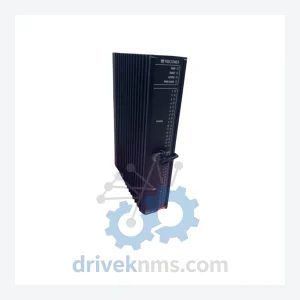
Triconex SDO3411 S2 Digital Output Module: Specs, Models & Availability
Triconex Tricon Series: Comprehensive Module Range and Technical Overview The Triconex Tricon platform is a Triple Modular Redundant (TMR) Safety…
Model: LR82696
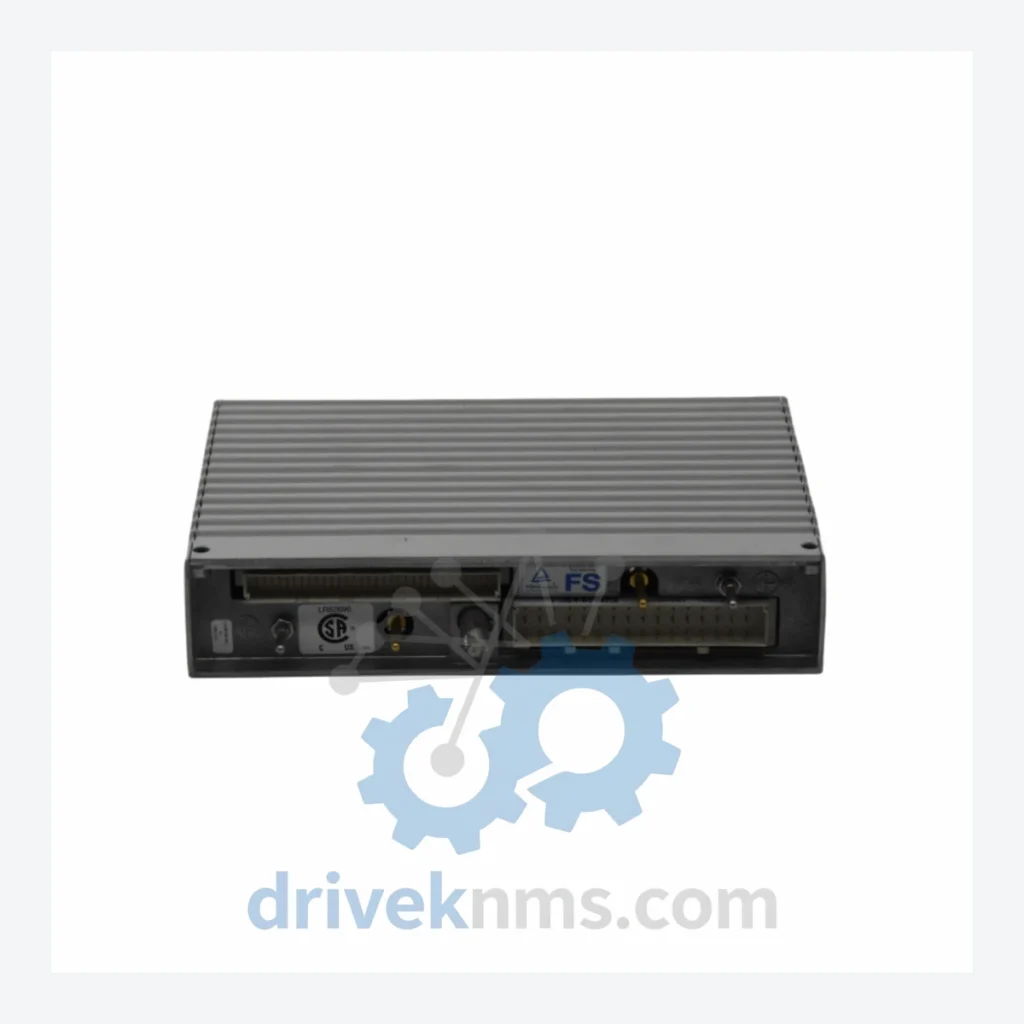
Product Overview
Commercial availability is handled through direct RFQ, model verification and export-oriented follow-up rather than public cart checkout.
Datasheet Preview
Use attached product manuals when available. If the manual is not public yet, request the full file directly through RFQ.
Commercial Path
Product pages on DRIVEKNMS are designed to verify model, brand and series first, then move the buyer into one clean quotation path.
Technical Dossier
The Triconex Tricon system is a Triple Modular Redundant (TMR) Safety Instrumented System (SIS) platform engineered for continuous, fault-tolerant operation in the most demanding process industries. Deployed across petrochemical complexes, LNG terminals, nuclear power stations, offshore platforms, and refinery units worldwide, the Tricon architecture operates on a triple-redundant voting logic (2-out-of-3) that eliminates single points of failure at the hardware level. Its installed base spans tens of thousands of safety loops globally, making it one of the most widely certified SIL 3-rated control platforms in industrial history. The LR82696 is a Digital Output Module within this ecosystem, designed to interface with field actuators under TMR redundancy constraints.
The Tricon platform was originally developed by Triconex Corporation in the 1980s as a hardware-based TMR safety controller. Early generations (Tricon v1–v7) used proprietary backplane buses and dedicated I/O chassis with fixed-slot addressing. The introduction of the Tricon v9 and v10 series brought enhanced communication capabilities, including support for TriStation 1131 programming software, Modbus TCP, and OPC DA/UA interfaces. The v10 chassis introduced the Main Chassis (MC) and Expansion Chassis (XC) architecture, allowing up to 120 I/O modules per controller node. Compatibility between generations is strictly governed by chassis type, firmware revision, and module slot position — cross-generation substitution requires engineering validation. As of 2020, Schneider Electric (which acquired Triconex in 2001 via Invensys) has positioned the Tricon CX as the modern successor platform, while the legacy Tricon v9/v10 hardware remains in active service under long-term maintenance agreements at major industrial sites.
Digital Output Modules
Digital Input Modules
Analog Input Modules
Analog Output Modules
CPU & Communication Modules
Power Supply Modules
The Tricon v9 and v10 hardware lines have entered the mature/end-of-active-production phase. Schneider Electric's official last-time-buy windows for several legacy modules have closed, creating a secondary market dependency for sites operating under 10–20 year maintenance horizons. DriveKNMS maintains a dedicated inventory of Tricon spare parts — including discontinued modules such as the LR82696, 3008, DI3401, and AI3351 — sourced from decommissioned plant assets, certified refurbishers, and authorized surplus channels. All units are traceable to original manufacturer documentation. For sites requiring long-term lifecycle extension (LCE) support beyond Schneider Electric's standard service window, DriveKNMS provides consignment stocking agreements and emergency dispatch logistics to minimize unplanned downtime.
Tricon modules present specific test challenges due to their TMR backplane architecture: each module communicates simultaneously across three independent data buses (Leg A, B, C), and any bus fault must be isolated without triggering a spurious trip. DriveKNMS applies a dedicated Tricon test protocol that includes: (1) TMR bus integrity verification using a Tricon chassis test rig with active MP modules; (2) channel-by-channel functional verification of all I/O points under rated load conditions; (3) diagnostic register readback via TriStation 1131 to confirm module self-test pass status; (4) 48-hour burn-in soak at elevated ambient temperature (50°C) to screen latent component failures; (5) final inspection against OEM revision-level documentation to confirm firmware and hardware revision compatibility with the target chassis generation.
Related Paths
Triconex Tricon Series: Comprehensive Module Range and Technical Overview The Triconex Tricon platform is a Triple Modular Redundant (TMR) Safety…
Triconex 9853-610 Basic Termination Panel – Obsolete Tricon SIS Spare Part When a Triconex termination panel fails inside an operating…
Triconex 3805EN Analog Output Module – Obsolete Tricon Safety System Spare Part When a Triconex 3805EN fails in an operating…