
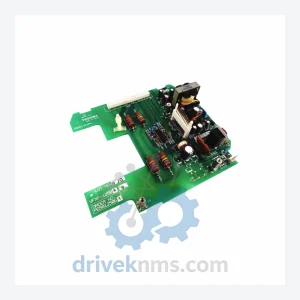
TOSHIBA P6581471P4 VFXF-1250 Circuit Board – VFXF Series
TOSHIBA P6581471P4 VFXF-1250 Circuit Board: Securing Supply in a Constrained Market The TOSHIBA P6581471P4 VFXF-1250 is a control circuit board…
Model: B200P16DOP-1
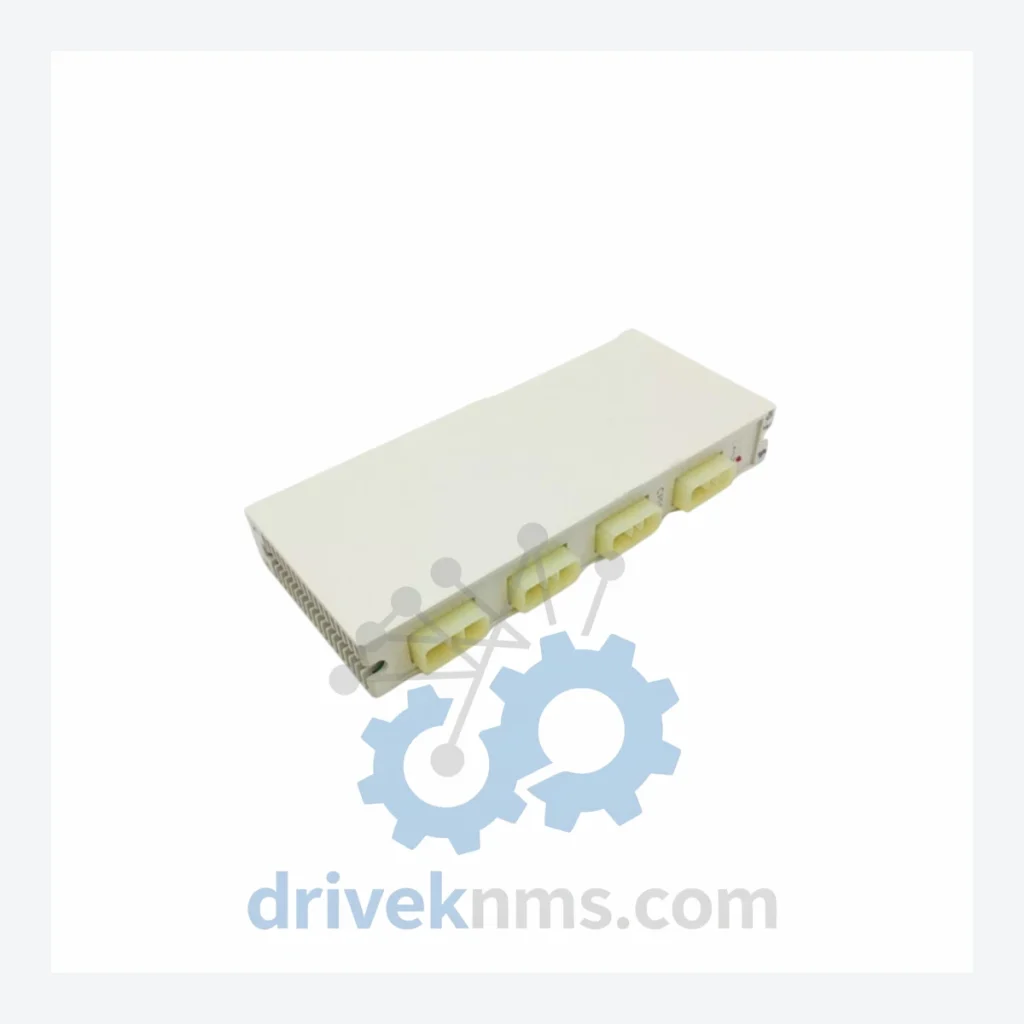
Product Overview
Commercial availability is handled through direct RFQ, model verification and export-oriented follow-up rather than public cart checkout.
Datasheet Preview
Use attached product manuals when available. If the manual is not public yet, request the full file directly through RFQ.
Commercial Path
Product pages on DRIVEKNMS are designed to verify model, brand and series first, then move the buyer into one clean quotation path.
Technical Dossier
The Toshiba B200 Series programmable logic controller platform occupies a well-established position in global heavy industry installations, including petrochemical plants, oil refineries, nuclear facility auxiliary systems, and continuous-process manufacturing lines. Deployed extensively across Asia-Pacific and EMEA industrial infrastructure from the 1990s onward, the B200 rack-based architecture became a standard reference design for mid-range discrete and process control applications requiring deterministic scan cycles, robust I/O density, and field-proven reliability under high-vibration and high-temperature ambient conditions. Many B200 installations remain operational under long-term maintenance contracts, making spare parts availability a critical operational concern for plant engineers and procurement teams worldwide.
The B200 platform was introduced as part of Toshiba's programmable controller expansion into mid-scale industrial automation, succeeding earlier T-series rack systems. The architecture is built around a parallel backplane bus with fixed slot addressing, supporting a base rack and expansion racks connected via dedicated I/O bus cables. CPU modules communicate with I/O modules through a synchronous scan protocol, with typical scan times in the 1–10 ms range depending on program size and I/O count.
Early B200 configurations used discrete transistor-output and relay-output modules with 8- or 16-point density. Later revisions introduced higher-density 32-point modules and analog I/O cards with 12-bit and 14-bit resolution. Communication options expanded over the product lifecycle to include RS-232C, RS-485, and proprietary Toshiba network adapters for integration with SCADA and DCS supervisory layers.
Compatibility constraints are a known engineering consideration: B200 CPU firmware versions are tied to specific module hardware revisions. Substituting a module from a different production batch without verifying firmware compatibility can result in initialization faults or degraded I/O response. DriveKNMS maintains hardware revision records for all stocked B200 modules to support compatibility-verified replacements.
The B200 series has entered the mature/end-of-life phase of its product lifecycle. Toshiba has discontinued active production of the majority of B200 catalog items. Long-term maintenance support — including tested surplus stock, repair services, and cross-reference to successor platforms — is the primary sourcing pathway for ongoing plant operations.
CPU & Controller Modules
DC Output Modules
DC Input Modules
AC Output Modules
AC Input Modules
Analog I/O Modules
Communication & Power Modules
With the B200 series in end-of-life status, OEM factory supply channels are closed or severely constrained. DriveKNMS operates as a specialist distributor for discontinued industrial automation components, maintaining a verified surplus inventory of B200 modules sourced from decommissioned plant equipment, authorized liquidations, and long-term storage stock.
All B200 modules in DriveKNMS inventory are subject to pre-shipment functional testing. Hardware revision data is recorded at intake to enable compatibility-matched replacements. For customers requiring long-term supply agreements — covering multi-year maintenance windows for extended plant operation — DriveKNMS offers reserved stock allocation and priority fulfillment contracts.
Cross-reference support is available for customers evaluating migration from B200 to current Toshiba or third-party PLC platforms, including I/O point mapping, rack layout analysis, and program conversion feasibility assessment.
B200 modules use a parallel backplane bus architecture with edge-connector termination. Quality control procedures at DriveKNMS address the specific failure modes associated with this design: backplane connector pin wear, output driver transistor degradation, optocoupler aging in input circuits, and EEPROM data retention in CPU modules.
Each module undergoes the following test sequence before shipment: visual inspection for physical damage and connector condition; powered bench test under rated supply voltage; functional I/O point verification using a dedicated B200 rack test fixture; and communication handshake verification for CPU and communication modules. Analog modules are tested against calibration references to verify channel accuracy within published tolerance bands. Modules that fail any stage of this sequence are quarantined and not offered for sale.
Related Paths
TOSHIBA P6581471P4 VFXF-1250 Circuit Board: Securing Supply in a Constrained Market The TOSHIBA P6581471P4 VFXF-1250 is a control circuit board…
Toshiba ARND-3110 Series: Comprehensive Module Range and Technical Overview The Toshiba ARND-3110 series is a core component family within Toshiba's…
Toshiba MG30G6EL2 IGBT Power Module – Obsolete Legacy Spare Part When a power module fails in a legacy variable frequency…