
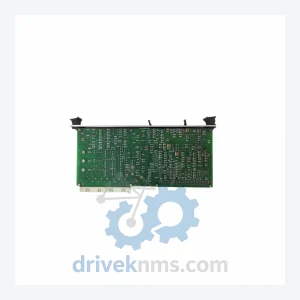
Yokogawa K9634DA-01 TCD Card Modules
Yokogawa K9634DA Series: Comprehensive Module Range and Technical Overview The Yokogawa K9634DA series TCD (Thermocouple/mV Input) cards are field-proven I/O…
Model: NFAR181-S50 S2
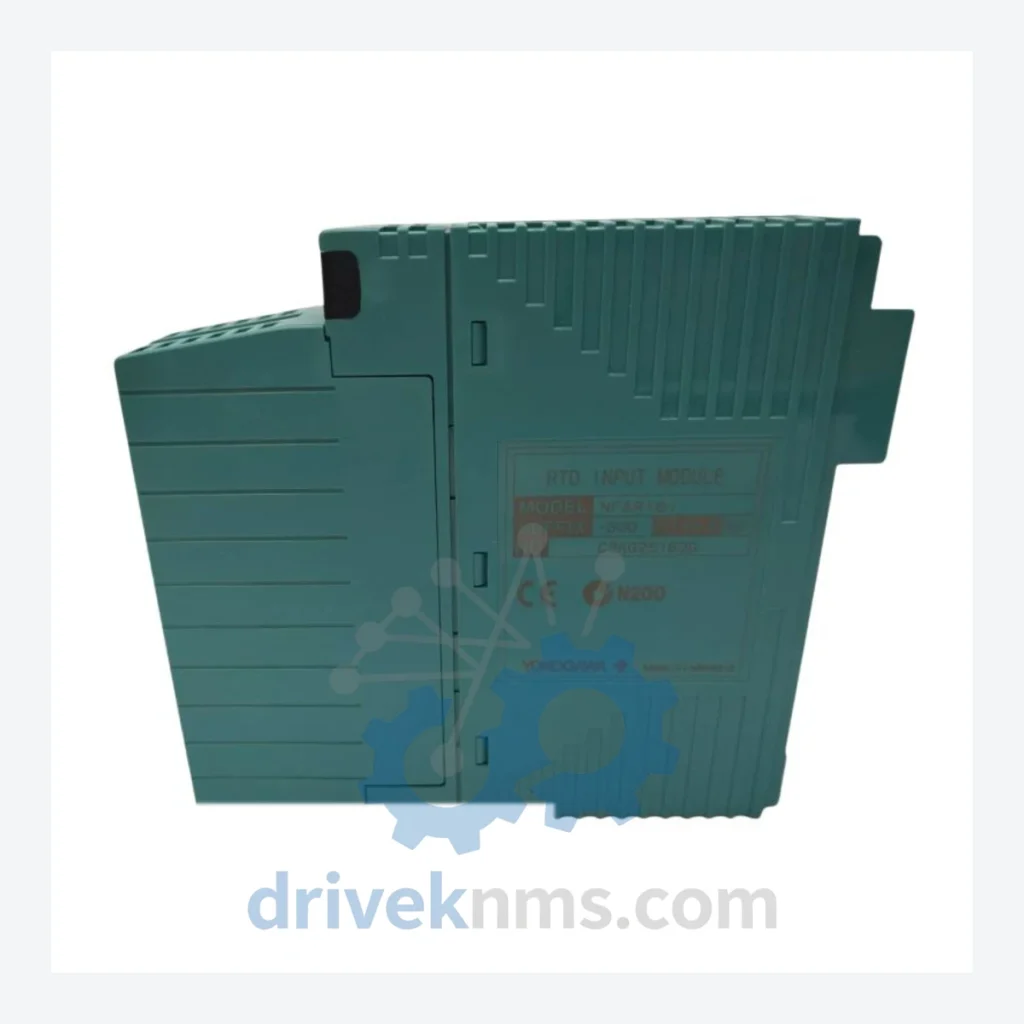
Product Overview
Commercial availability is handled through direct RFQ, model verification and export-oriented follow-up rather than public cart checkout.
Datasheet Preview
Use attached product manuals when available. If the manual is not public yet, request the full file directly through RFQ.
Commercial Path
Product pages on DRIVEKNMS are designed to verify model, brand and series first, then move the buyer into one clean quotation path.
Technical Dossier
When a single RTD input module fails in a Yokogawa CENTUM-based distributed control system, the consequences extend far beyond the cost of the part itself. A forced migration to a current-generation DCS platform — including engineering redesign, I/O rewiring, operator retraining, and production downtime — routinely runs into the hundreds of thousands, and in large continuous-process facilities, into the millions of dollars. The NFAR181-S50 S2 is a discontinued module with no direct modern equivalent that preserves the original I/O mapping, signal conditioning, and bus communication protocol of the legacy CENTUM architecture. DriveKNMS holds verified physical stock of this module. Securing a spare now is not a procurement exercise — it is an asset protection decision.
| Parameter | Detail |
|---|---|
| Manufacturer | Yokogawa Electric Corporation |
| Part Number | NFAR181-S50 S2 |
| Module Type | RTD (Resistance Temperature Detector) Input Module |
| Compatible Series | Yokogawa CENTUM DCS (legacy generation) |
| Country of Origin | Japan |
| Product Status | Discontinued / Obsolete – No longer in Yokogawa active production |
| Suffix -S50 | Indicates CE marking / safety compliance suffix (verify against your system BOM) |
| Suffix S2 | Hardware revision designation |
Note: Electrical parameters such as input range, channel count, and bus interface specifications are not published here to avoid inaccuracy. Please contact us with your system documentation for full compatibility verification before ordering.
The Yokogawa CENTUM platform served as the backbone of process control in refining, petrochemical, power generation, and pharmaceutical facilities for decades. Many of these installations remain in active production today — not because operators are unaware of the discontinuation, but because the cost and risk of a full DCS migration cannot be justified against the remaining productive life of the plant.
The NFAR181-S50 S2 RTD input module occupies a specific slot in the CENTUM I/O subsystem. Its failure does not merely interrupt one measurement loop — it can trigger a cascade of interlock activations, force a unit shutdown, or, in worst-case scenarios, compromise process safety instrumented functions that depend on temperature monitoring. There is no software patch for a failed hardware module. The only operationally safe resolution is a like-for-like replacement.
Sourcing this module on the open market is not straightforward. Yokogawa ceased production years ago, and authorized distributor stock was exhausted long before most facilities recognized the exposure. What remains in circulation exists in the inventories of specialist obsolete-parts suppliers — and that inventory is finite and diminishing. Each unit sold is one fewer available to the global installed base.
How to extend your CENTUM-based automation asset life by 5 to 10 years at low cost:
Obsolete modules sourced from secondary markets carry inherent risk. DriveKNMS applies a structured 5-step quality process to every unit before it leaves our facility:
What warranty applies to obsolete parts?
DriveKNMS provides a 90-day warranty against defects in materials and workmanship on all tested units. Warranty terms for as-is or untested units are stated at the time of quotation.
How do I know the unit is genuine and not counterfeit?
All units are sourced from decommissioned industrial facilities or verified surplus channels. We do not source from unverified brokers. Physical markings, PCB revision codes, and component dates are inspected as part of our intake process. Customers may request inspection photos prior to shipment.
Should I buy more than one unit?
For any discontinued module that is critical to your process, purchasing a minimum of two units is the standard recommendation. The cost of a second spare is a fraction of the cost of a single unplanned shutdown. For facilities with multiple CENTUM cabinets using this module type, a quantity assessment based on your installed count is advisable.
Can you source additional quantity if I need more than you have in stock?
We maintain active sourcing channels for Yokogawa legacy hardware. Contact us with your quantity requirement and timeline, and we will advise on availability.
Related Paths
Yokogawa K9634DA Series: Comprehensive Module Range and Technical Overview The Yokogawa K9634DA series TCD (Thermocouple/mV Input) cards are field-proven I/O…
Yokogawa UT350-01 Digital Indicating Controller – Obsolete UT Series Spare Part When a Yokogawa UT350-01 fails on the plant floor,…
YOKOGAWA K9403 Series: Comprehensive Module Range and Technical Overview The YOKOGAWA K9403 series Field Indication Device (FID) cards are deployed…