
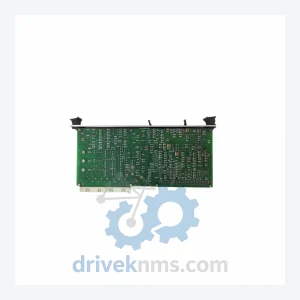
Yokogawa K9634DA-01 TCD Card Modules
Yokogawa K9634DA Series: Comprehensive Module Range and Technical Overview The Yokogawa K9634DA series TCD (Thermocouple/mV Input) cards are field-proven I/O…
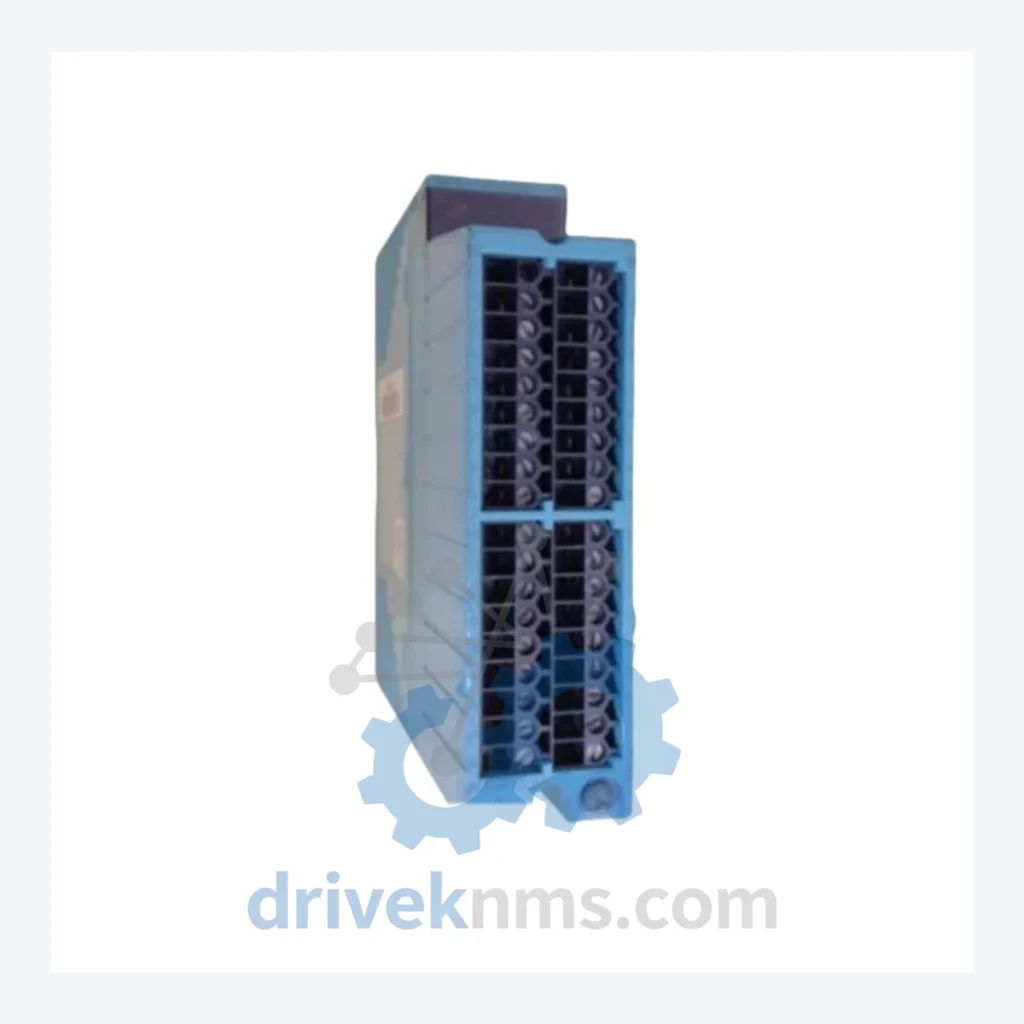
Model: NFAI141-S00 S2
Product Overview
Commercial availability is handled through direct RFQ, model verification and export-oriented follow-up rather than public cart checkout.
Datasheet Preview
Use attached product manuals when available. If the manual is not public yet, request the full file directly through RFQ.
Commercial Path
Product pages on DRIVEKNMS are designed to verify model, brand and series first, then move the buyer into one clean quotation path.
Technical Dossier
The Yokogawa NFAI141 series is a family of analog input modules deployed within the Yokogawa CENTUM VP and CENTUM CS 3000 Distributed Control Systems (DCS). These modules occupy a critical position in global heavy industry installations, including petrochemical complexes, nuclear power facilities, crude oil refineries, LNG terminals, and continuous process manufacturing plants. The NFAI141 series handles 4–20 mA and voltage-based field signal acquisition, converting analog process variables into digital values for the CENTUM VP field control station (FCS). Installed base spans facilities across Asia-Pacific, the Middle East, and Europe, where CENTUM VP remains the dominant DCS platform for large-scale continuous process control.
The NFAI141 module traces its lineage to the Yokogawa CENTUM CS 3000 platform introduced in the late 1990s, which standardized the node-based I/O architecture using the Vnet/IP control network. Early NFAI141 revisions (suffix -S00) established the baseline 16-channel analog input specification with HART pass-through capability. Subsequent suffix variants introduced incremental improvements in channel isolation, EMC compliance ratings, and firmware compatibility with CENTUM VP R4.x and R6.x releases.
The transition from CS 3000 to CENTUM VP (circa 2008–2012) maintained backward hardware compatibility for NFAI141 modules, allowing existing field wiring and marshalling cabinets to remain in service. However, firmware suffix levels (S1, S2, S3) introduced dependency on specific FCS software revisions. The S2 suffix, as in the NFAI141-S00 S2, denotes a specific hardware revision level that is compatible with CENTUM VP R5.03 and later. As CENTUM VP itself transitions toward the CENTUM VP R6 and the newer Yokogawa OpreX platform, NFAI141 modules have entered the mature/end-of-active-production phase. Yokogawa continues to provide long-term maintenance support (LTMS) for installed base, but new procurement relies on authorized distributors and certified secondary-market suppliers.
The following SKUs represent the verified NFAI141 series and closely related CENTUM VP analog I/O modules. Each entry reflects a distinct hardware revision, channel configuration, or functional variant within the Yokogawa field I/O module ecosystem.
Analog Input Modules (AI)
Analog Output Modules (AO)
Digital Input / Digital Output Modules (DI/DO)
Communication & Power Modules
The NFAI141 series has entered the mature phase of its product lifecycle. Yokogawa's official end-of-active-production designation means that new module procurement through standard distribution channels is increasingly constrained. Lead times from authorized sources can extend to 26–52 weeks for specific suffix revisions.
DriveKNMS maintains a dedicated inventory of NFAI141 modules — including the NFAI141-S00 S2 and adjacent suffix variants — sourced from decommissioned plant assets, authorized surplus channels, and factory-refurbished stock. All units are catalogued by hardware revision suffix to ensure firmware compatibility with the target CENTUM VP FCS software version. DriveKNMS provides lifecycle extension support for facilities operating CENTUM CS 3000 and CENTUM VP systems beyond Yokogawa's standard support window, covering module-level replacement, cross-reference to compatible successor modules, and technical documentation for integration into existing I/O node configurations.
NFAI141 modules incorporate a multi-layer backplane bus architecture connecting the analog front-end (AFE) signal conditioning circuitry to the FCS node communication interface. DriveKNMS applies a structured test protocol specific to this module family:
Related Paths
Yokogawa K9634DA Series: Comprehensive Module Range and Technical Overview The Yokogawa K9634DA series TCD (Thermocouple/mV Input) cards are field-proven I/O…
Yokogawa UT350-01 Digital Indicating Controller – Obsolete UT Series Spare Part When a Yokogawa UT350-01 fails on the plant floor,…
YOKOGAWA NFDR Series: Comprehensive Module Range and Technical Overview The YOKOGAWA NFDR series relay output modules are core field control…