
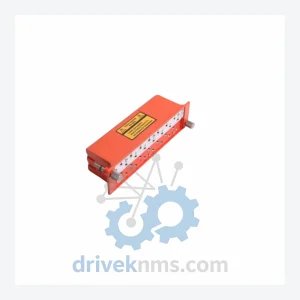
Panasonic 581B740C Circuit Board – Obsolete MINAS Series Spare Part
Panasonic 581B740C Circuit Board – Obsolete MINAS Series Spare Part A single failed circuit board should not force a plant-wide…
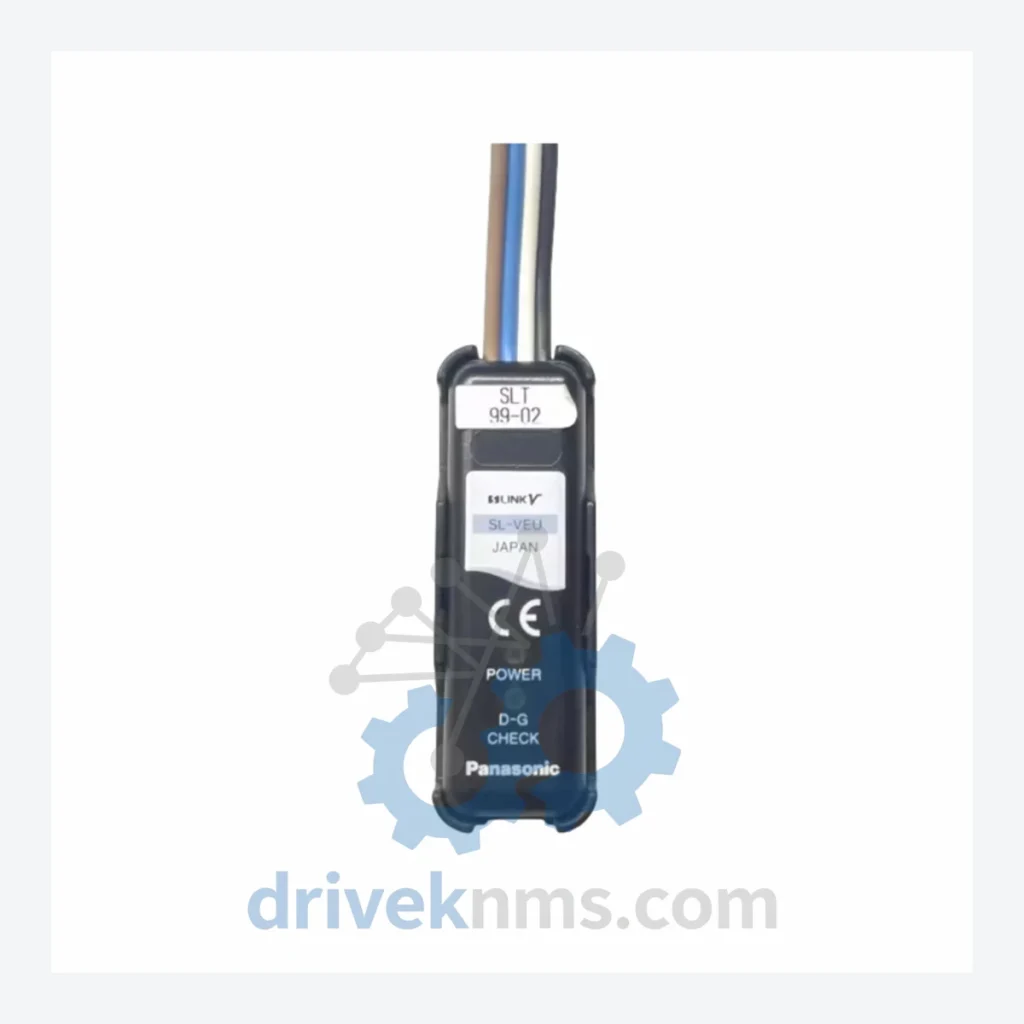
Model: SL-VEU
Product Overview
Commercial availability is handled through direct RFQ, model verification and export-oriented follow-up rather than public cart checkout.
Datasheet Preview
Use attached product manuals when available. If the manual is not public yet, request the full file directly through RFQ.
Commercial Path
Product pages on DRIVEKNMS are designed to verify model, brand and series first, then move the buyer into one clean quotation path.
Technical Dossier
The Panasonic SL-V series, developed under the Panasonic SUNX industrial safety division, represents one of the most widely deployed safety light curtain and vision terminal platforms in global heavy industry. Installations span petrochemical refineries, nuclear power auxiliary systems, automotive stamping lines, and continuous-process chemical plants across Asia-Pacific, Europe, and North America. The SL-V architecture is engineered to IEC 61496-1 Type 4 ESPE (Electro-Sensitive Protective Equipment) standards, making it a reference-grade solution for machine guarding applications where SIL 2 / PLe compliance is mandatory. The SL-VEU specifically functions as the vision terminal unit — the human-machine interface and configuration node within the SL-V system topology, enabling parameter setting, diagnostic readout, and zone configuration without requiring a separate programming device.
The SL-V series entered the market as Panasonic SUNX's response to the demand for modular, cascadable safety light curtains with integrated muting and blanking logic. Early-generation units required discrete relay output modules and external muting sensors wired independently. Mid-generation revisions introduced the SL-VEU terminal unit concept, consolidating zone configuration, test input management, and diagnostic LED arrays into a single DIN-rail-mounted controller node. This eliminated the need for external PLCs to handle basic safety zone logic, reducing panel footprint and wiring complexity in retrofit applications.
Later revisions of the SL-V platform introduced IO-Link compatibility on select emitter/receiver pairs, enabling predictive maintenance data (beam intensity degradation, contamination index) to be surfaced to SCADA systems without breaking the safety-rated signal path. The SL-VEU terminal unit remained backward-compatible across these generations, supporting both legacy SL-V emitter/receiver pairs and newer high-resolution variants. As of 2024, the SL-V series has entered the mature/end-of-active-production phase for several sub-models, with Panasonic's SF4B and SF4D series positioned as the forward migration path. DriveKNMS maintains long-term maintenance inventory specifically to support SL-V installations that cannot be economically migrated.
Vision Terminal Units & Controllers
Emitter Units
Receiver Units
Muting & Interface Modules
DriveKNMS operates a dedicated lifecycle extension program for the Panasonic SL-V series. As Panasonic SUNX has transitioned active development resources to the SF4B and SF4D platforms, procurement of SL-V components — particularly the SL-VEU, SL-VMU, and high-beam-count emitter/receiver pairs — through standard distribution channels has become increasingly unreliable. DriveKNMS sources SL-V inventory through authorized secondary market channels, factory-surplus liquidations, and decommissioned plant asset recovery programs. All units are inspected, tested, and documented prior to dispatch. For end-users operating SL-V installations in facilities with 5–15 year remaining operational horizons, DriveKNMS offers consignment stocking agreements to guarantee parts availability without requiring upfront capital commitment for the full inventory volume.
The SL-V series presents specific quality verification challenges due to its dual-channel OSSD architecture and the interdependency between the terminal unit (SL-VEU) and the emitter/receiver pairs. DriveKNMS applies the following test protocol to all SL-V units prior to shipment:
Related Paths
Panasonic 581B740C Circuit Board – Obsolete MINAS Series Spare Part A single failed circuit board should not force a plant-wide…
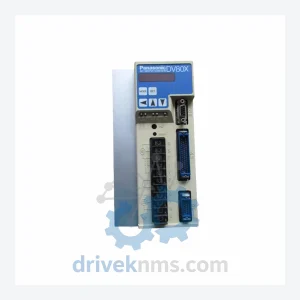
Panasonic DV80X180MB5 Servo Driver: Global Sourcing Strategy & Asset Return Value The Panasonic DV80X180MB5 is a high-performance AC servo driver…
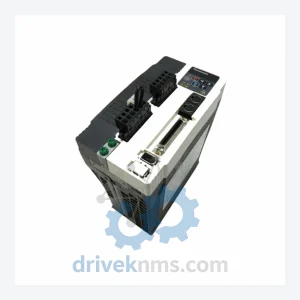
Panasonic MDDDT3530 AC Servo Driver – Obsolete MINAS A Series Spare Part When a Panasonic MDDDT3530 servo driver fails on…