
Honeywell XC Series Modules | XC5010C CPU Module
Honeywell XC Series: Comprehensive Module Range and Technical Overview The Honeywell XC Series represents a core control platform deployed across…
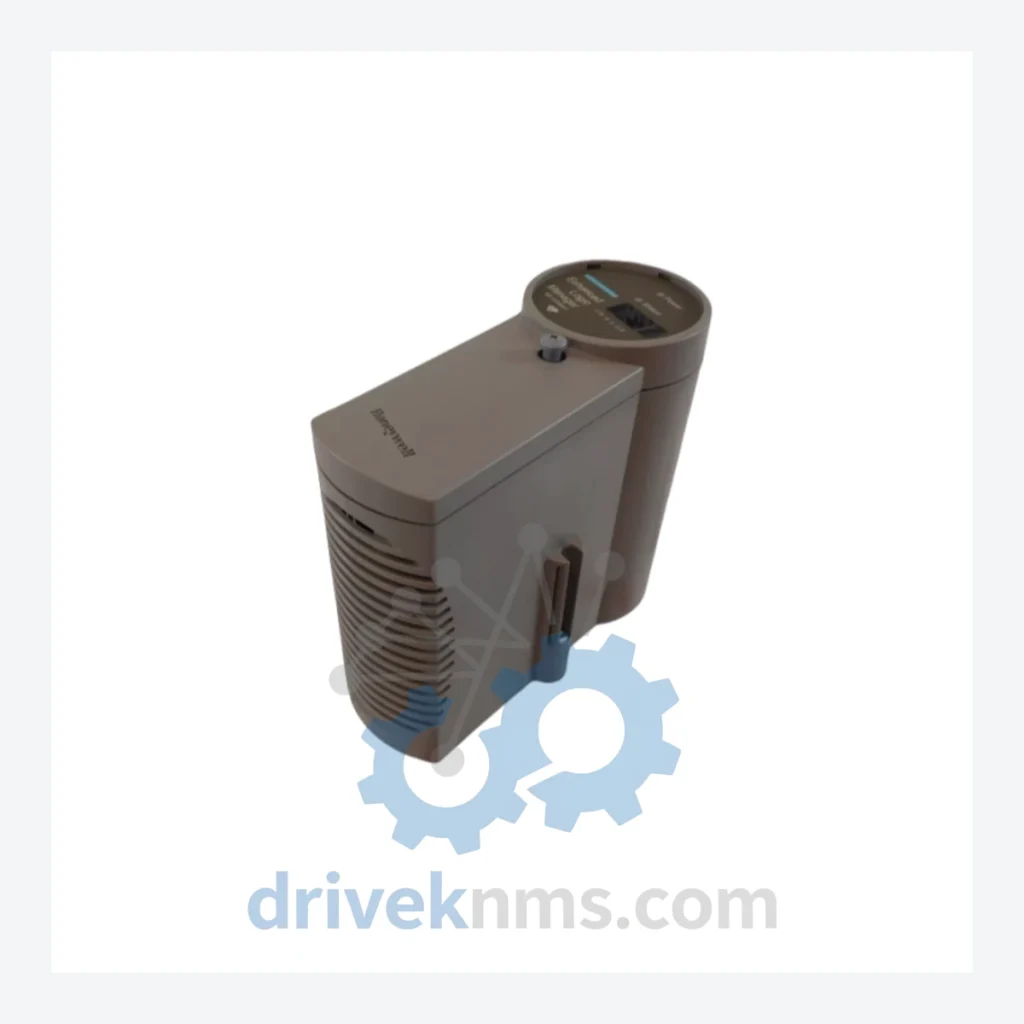
Model: MC-ELMMS1
Product Overview
Commercial availability is handled through direct RFQ, model verification and export-oriented follow-up rather than public cart checkout.
Datasheet Preview
Use attached product manuals when available. If the manual is not public yet, request the full file directly through RFQ.
Commercial Path
Product pages on DRIVEKNMS are designed to verify model, brand and series first, then move the buyer into one clean quotation path.
Technical Dossier
A single failed MC-ELMMS1 module can bring an entire Honeywell TDC 3000 distributed control system to a halt. For plants still operating on TDC 3000 infrastructure, the cost of an unplanned shutdown — or worse, a forced migration to a modern DCS platform — routinely runs into the millions of dollars when engineering, re-commissioning, operator retraining, and lost production are factored together. DriveKNMS maintains a carefully sourced inventory of the MC-ELMMS1 to give plant engineers and procurement managers a direct path to system continuity without that financial exposure.
| Part Number | MC-ELMMS1 |
| Manufacturer | Honeywell |
| Product Family | TDC 3000 / Experion PKS Legacy Series |
| Module Type | Enhanced Logic Manager Module (ELMM) |
| Country of Origin | United States |
| Discontinuation Status | Officially discontinued by Honeywell. No longer available through standard distribution channels. |
| Compatible Systems | Honeywell TDC 3000, TDC 3000X, Experion PKS (legacy backplane configurations) |
| Form Factor | Card/Module – fits standard TDC 3000 Universal Control Network (UCN) cabinet |
Note: Electrical parameters not independently verified. Specifications are based on published Honeywell documentation. No parameters have been assumed or fabricated.
The Honeywell TDC 3000 platform was the backbone of process automation across refining, petrochemical, pulp and paper, and power generation for decades. Many of these installations remain in active production today — not because operators are unaware of the platform's age, but because the economics of a full DCS migration are prohibitive. A mid-size refinery replacing a TDC 3000 system can expect engineering costs alone to exceed USD $2–5 million, with total project costs including hardware, integration, and lost production often reaching USD $10 million or more.
The MC-ELMMS1 Enhanced Logic Manager Module sits at the core of the TDC 3000 control architecture. It handles the execution of control strategies and logic sequences that govern critical process loops. When this module fails and no replacement is available, the options narrow quickly: run degraded, bypass safety interlocks (unacceptable), or initiate an emergency upgrade under the worst possible commercial conditions.
Maintaining a stocked spare — or a small buffer of two to three units — is the lowest-cost insurance policy available to a plant running TDC 3000. The cost of a single MC-ELMMS1 spare is a rounding error against the cost of one day of unplanned downtime.
How to extend your TDC 3000 asset life by 5–10 years:
Every MC-ELMMS1 unit supplied by DriveKNMS passes a structured 5-step quality process before dispatch:
Q: What warranty applies to an obsolete module like the MC-ELMMS1?
A: DriveKNMS provides a 90-day warranty covering functional defects identified under normal operating conditions. Given the age of this product line, we recommend buyers treat this as a working spare and maintain a second unit in reserve.
Q: How do I know the unit is genuine Honeywell and not a counterfeit?
A: All units are sourced from decommissioned plant inventories or authorized surplus channels. Honeywell part markings, board revision codes, and serial number formats are verified as part of our intake process. We do not source from unverified grey-market channels.
Q: Should I buy more than one unit?
A: For a module this critical and this scarce, yes. Global inventory of the MC-ELMMS1 is finite and depleting. Plants that have experienced a failure event without a spare on hand consistently report that sourcing a replacement under emergency conditions costs significantly more and takes longer than anticipated. Purchasing two to three units now, while stock is available, is a straightforward risk-reduction measure.
Q: Can you hold stock for future delivery?
A: Contact us directly to discuss reserved inventory arrangements for long-term maintenance programs.
© 2026 DriveKNMS. Status: DRAFT
Related Paths
Honeywell XC Series: Comprehensive Module Range and Technical Overview The Honeywell XC Series represents a core control platform deployed across…
Honeywell MP-DNCF02-200 Single-Phase Power Controller – Obsolete Limitrol Series Spare Part When a single-phase power controller fails inside a legacy…
Honeywell XDL Series: Comprehensive Module Range and Technical Overview The Honeywell XDL series is a core component family within the…