
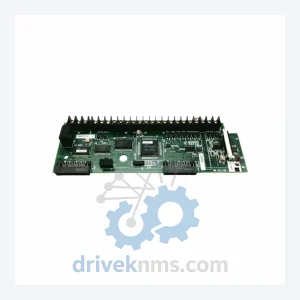
Hitachi 2B021918-1 Circuit Board – Obsolete Hitachi Series Spare Part
Hitachi 2B021918-1 Circuit Board – Obsolete Hitachi Series Spare Part When a circuit board like the Hitachi 2B021918-1 fails in…
Model: XDC24DMH
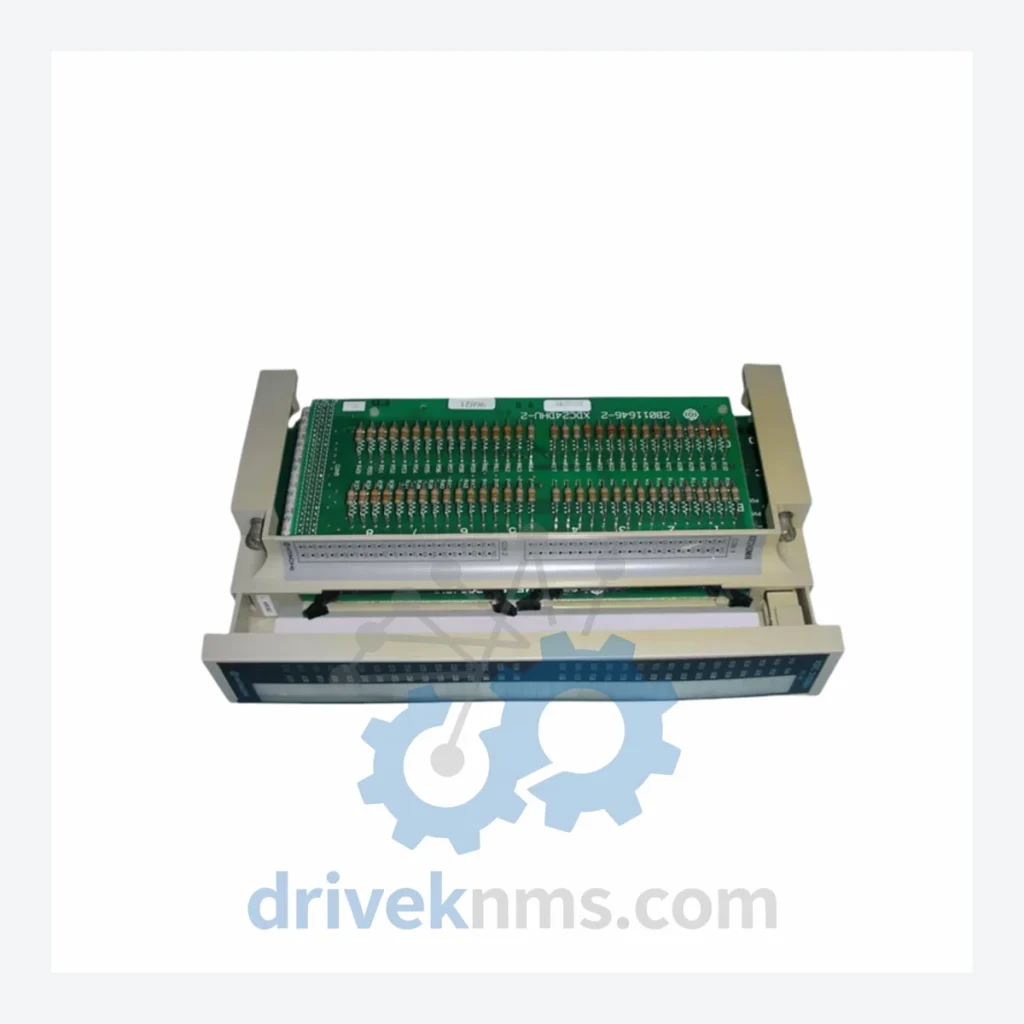
Product Overview
Commercial availability is handled through direct RFQ, model verification and export-oriented follow-up rather than public cart checkout.
Datasheet Preview
Use attached product manuals when available. If the manual is not public yet, request the full file directly through RFQ.
Commercial Path
Product pages on DRIVEKNMS are designed to verify model, brand and series first, then move the buyer into one clean quotation path.
Technical Dossier
The Hitachi XD Series programmable controller platform has established a significant installed base across global heavy industries, including petrochemical complexes, nuclear power auxiliary systems, steel rolling mills, and oil refinery distributed control architectures. Engineered to meet the deterministic scan-cycle requirements of process-critical environments, XD Series modules operate within Hitachi's proprietary backplane bus architecture, providing high-density I/O expansion, CPU processing, and inter-rack communication for mid-to-large scale automation systems. The series is widely deployed across Asia-Pacific and EMEA industrial facilities, many of which maintain long-term operational commitments to the platform due to deep integration with legacy SCADA and DCS layers.
The Hitachi XD Series emerged as part of Hitachi's mid-range PLC portfolio, succeeding earlier H-series controllers and positioning itself between entry-level micro-PLCs and full-scale DCS platforms. Early XD architecture relied on parallel backplane communication with fixed-slot addressing, which imposed rigid rack configuration rules. Subsequent revisions introduced enhanced bus arbitration, allowing mixed analog and digital module placement without slot-type restrictions. The XDC-prefix modules (including the XDC24DMH) represent the digital mixed I/O category, combining input and output point capacity in a single module footprint — a design choice that reduces rack slot consumption in space-constrained panel installations. As the series matured, Hitachi introduced expanded diagnostic registers accessible via ladder logic, enabling fault isolation at the module level without physical inspection. The XD Series is now in a mature-to-end-of-life phase; Hitachi has transitioned new project recommendations toward the EH-150 and S10V platforms. However, the XD Series remains actively maintained in the field, and replacement modules are essential for sustaining existing installations through their operational lifecycle.
The following represents a structured index of verified Hitachi XD Series module part numbers, organized by functional category. Each entry reflects a distinct hardware role within the XD rack system.
Digital I/O Modules
Analog I/O Modules
CPU & Controller Modules
Communication & Power Modules
DriveKNMS maintains a dedicated inventory program for Hitachi XD Series modules that have been discontinued or placed on extended lead time by the OEM. As the XD platform has entered its end-of-active-production phase, procurement through standard distribution channels has become increasingly unreliable. DriveKNMS sources XD Series modules through verified secondary market channels, decommissioned plant asset recovery, and long-term stocking agreements with industrial surplus specialists. All sourced units are subject to full functional verification before dispatch. For facilities operating XD Series systems under long-term maintenance contracts — particularly in regulated industries such as nuclear auxiliary systems or pharmaceutical manufacturing — DriveKNMS provides documented traceability records upon request, supporting audit and compliance requirements. Customers requiring multiple line items from the XD catalog are encouraged to submit a consolidated parts list for batch quotation, which typically yields shorter lead times and consolidated shipping.
Hitachi XD Series modules present specific test challenges due to their proprietary backplane bus protocol and multi-function I/O architecture. DriveKNMS applies a structured test protocol for all XD Series units processed through its facility. Digital I/O modules such as the XDC24DMH are tested under live rack conditions using a reference XD base unit, with each I/O point individually exercised through its full switching cycle. Analog modules are calibrated against traceable reference standards, with linearity and offset error verified across the full input/output range. CPU modules undergo program load/execute cycles with diagnostic register verification to confirm memory integrity and instruction execution accuracy. Communication modules are tested for protocol handshake, baud rate stability, and error frame rejection. All modules are inspected for capacitor condition, connector pin integrity, and conformal coating status prior to dispatch. Test records are retained and available upon request for quality-sensitive procurement processes.
Related Paths
Hitachi 2B021918-1 Circuit Board – Obsolete Hitachi Series Spare Part When a circuit board like the Hitachi 2B021918-1 fails in…
Hitachi MVL-D64DT PLC Controller – Obsolete H Series Spare Part When a Hitachi MVL-D64DT fails on the production floor, the…
HITACHI MVH-D40DT Basic Module: Supply Continuity Strategy for Procurement Managers The HITACHI MVH-D40DT is a discontinued basic module from HITACHI's…