
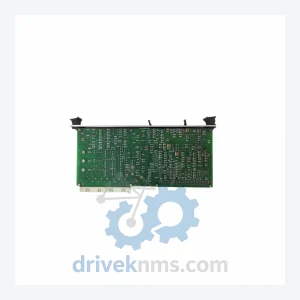
Yokogawa K9634DA-01 TCD Card Modules
Yokogawa K9634DA Series: Comprehensive Module Range and Technical Overview The Yokogawa K9634DA series TCD (Thermocouple/mV Input) cards are field-proven I/O…
Model: SCP451-51
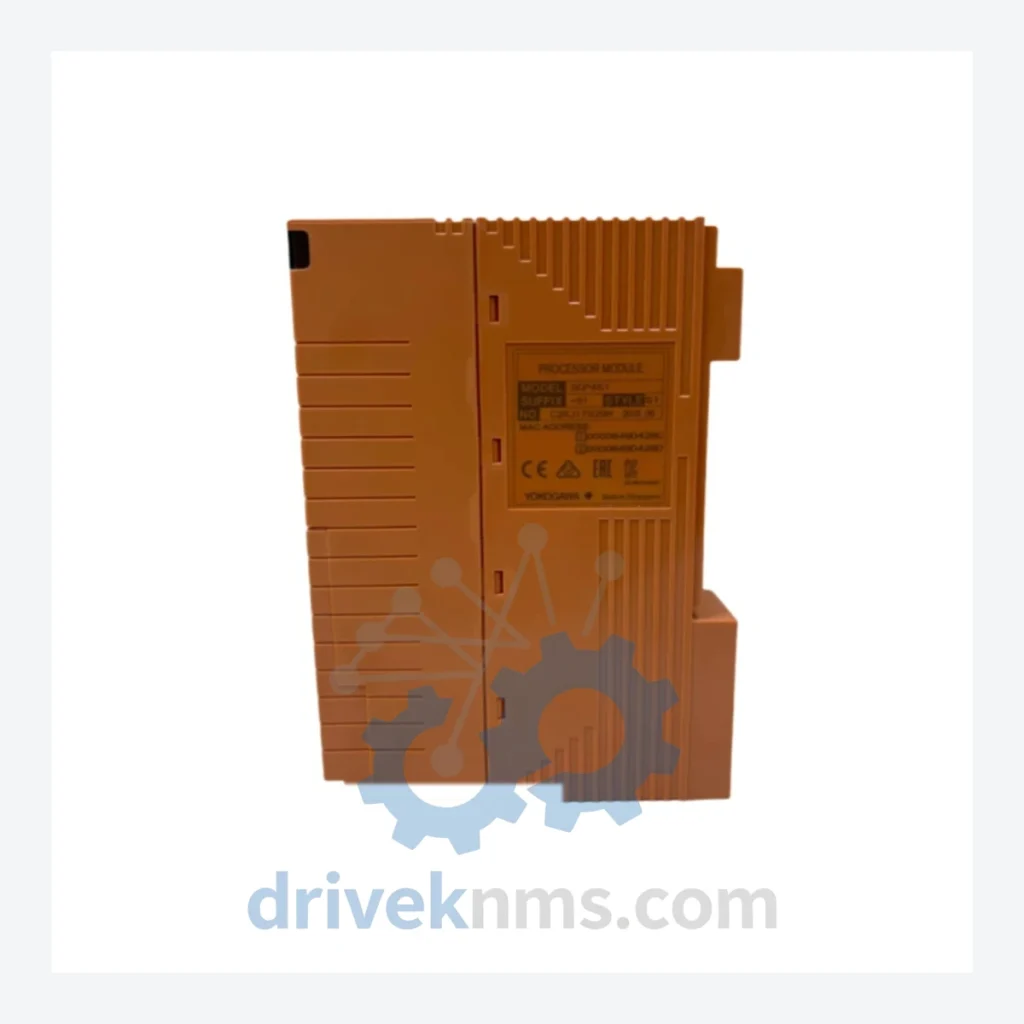
Product Overview
Commercial availability is handled through direct RFQ, model verification and export-oriented follow-up rather than public cart checkout.
Datasheet Preview
Use attached product manuals when available. If the manual is not public yet, request the full file directly through RFQ.
Commercial Path
Product pages on DRIVEKNMS are designed to verify model, brand and series first, then move the buyer into one clean quotation path.
Technical Dossier
The Yokogawa SCP451 series is a line of signal conditioner modules developed for integration within Yokogawa's CENTUM CS/CS 3000 and CENTUM VP distributed control systems (DCS). These modules are deployed across high-criticality process industries including petroleum refining, petrochemical complexes, liquefied natural gas (LNG) terminals, nuclear power generation auxiliary systems, and large-scale chemical manufacturing plants. The SCP451 series performs signal isolation, conversion, and conditioning between field instruments and the DCS I/O bus, ensuring signal integrity in electrically noisy industrial environments. Installed base spans facilities across Asia-Pacific, the Middle East, and Europe, where CENTUM-based control architectures remain the backbone of continuous process operations. The longevity of CENTUM CS and CS 3000 platforms—many of which have been in service for 15–25 years—means that SCP451 modules remain in active demand for both corrective maintenance and lifecycle extension programs.
The SCP451 series was introduced as part of Yokogawa's CENTUM CS platform in the mid-1990s, designed to address the need for galvanic isolation and signal normalization at the field-to-controller interface. Early variants focused on analog signal conditioning for 4–20 mA current loops and thermocouple/RTD inputs. As the CENTUM CS 3000 platform succeeded the original CS architecture in the early 2000s, the SCP451 series was carried forward with backward-compatible backplane connectors, allowing existing field wiring and marshalling cabinets to be retained during partial system upgrades. The CENTUM VP generation, introduced circa 2008, introduced enhanced diagnostics and HART pass-through capabilities in newer I/O modules, but many plants continued to operate SCP451-based I/O subsystems in parallel due to the high cost and risk of full I/O migration. As of 2026, the SCP451 series is in the mature-to-end-of-life phase of its product lifecycle. Yokogawa has formally discontinued active production of most SCP451 variants, and new replacement modules are no longer available through standard distribution channels. This creates a sustained aftermarket demand for tested surplus, refurbished, and new-old-stock (NOS) units to support ongoing plant operations without requiring full DCS migration projects.
The following SKUs represent verified models within the Yokogawa SCP451 signal conditioner series, organized by functional category. Each model is a discrete plug-in module designed for installation in CENTUM CS/CS 3000 field control station (FCS) node units.
Analog Input Signal Conditioners
Analog Output Signal Conditioners
Digital Input Signal Conditioners
Digital Output Signal Conditioners
Pulse / Frequency Input Conditioners
SCP451 modules present specific test challenges due to their backplane-dependent signal routing and the precision requirements of analog signal conditioning circuits. DriveKNMS applies the following verification protocol to all SCP451 units prior to dispatch. Each module undergoes visual inspection for PCB corrosion, capacitor degradation, and connector pin integrity. Functional testing is performed using a CENTUM CS 3000-compatible test bench that replicates the backplane bus interface, allowing full I/O channel verification under simulated field load conditions. For analog input variants (SCP451-51 through SCP451-57), calibration accuracy is verified against a traceable reference standard to confirm that signal conditioning error remains within the original Yokogawa specification of ±0.1% of span. For relay output variants, contact resistance and insulation resistance are measured per IEC 61010 requirements. Burn-in testing at elevated ambient temperature (50°C, 48 hours) is applied to all refurbished units to screen for latent component failures. A test certificate documenting channel-by-channel results is issued with each unit.
Related Paths
Yokogawa K9634DA Series: Comprehensive Module Range and Technical Overview The Yokogawa K9634DA series TCD (Thermocouple/mV Input) cards are field-proven I/O…
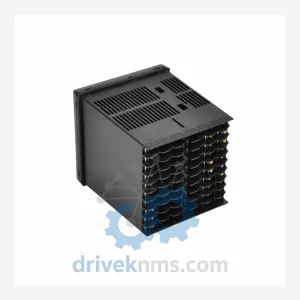
Yokogawa UT350-01 Digital Indicating Controller – Obsolete UT Series Spare Part When a Yokogawa UT350-01 fails on the plant floor,…
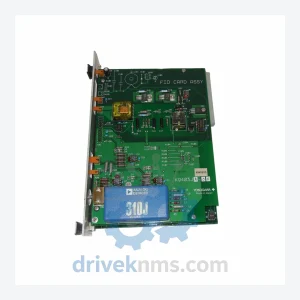
YOKOGAWA K9403 Series: Comprehensive Module Range and Technical Overview The YOKOGAWA K9403 series Field Indication Device (FID) cards are deployed…