
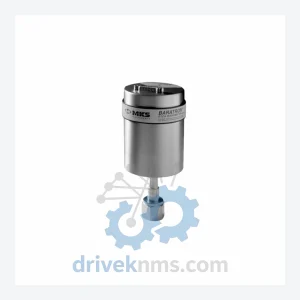
MKS 627D11TBC1B Capacitance Manometer – Baratron Series
MKS 627D11TBC1B Capacitance Manometer: Procurement Strategy & Asset Return Value in a Supply-Constrained Market The MKS 627D11TBC1B is a Baratron®…
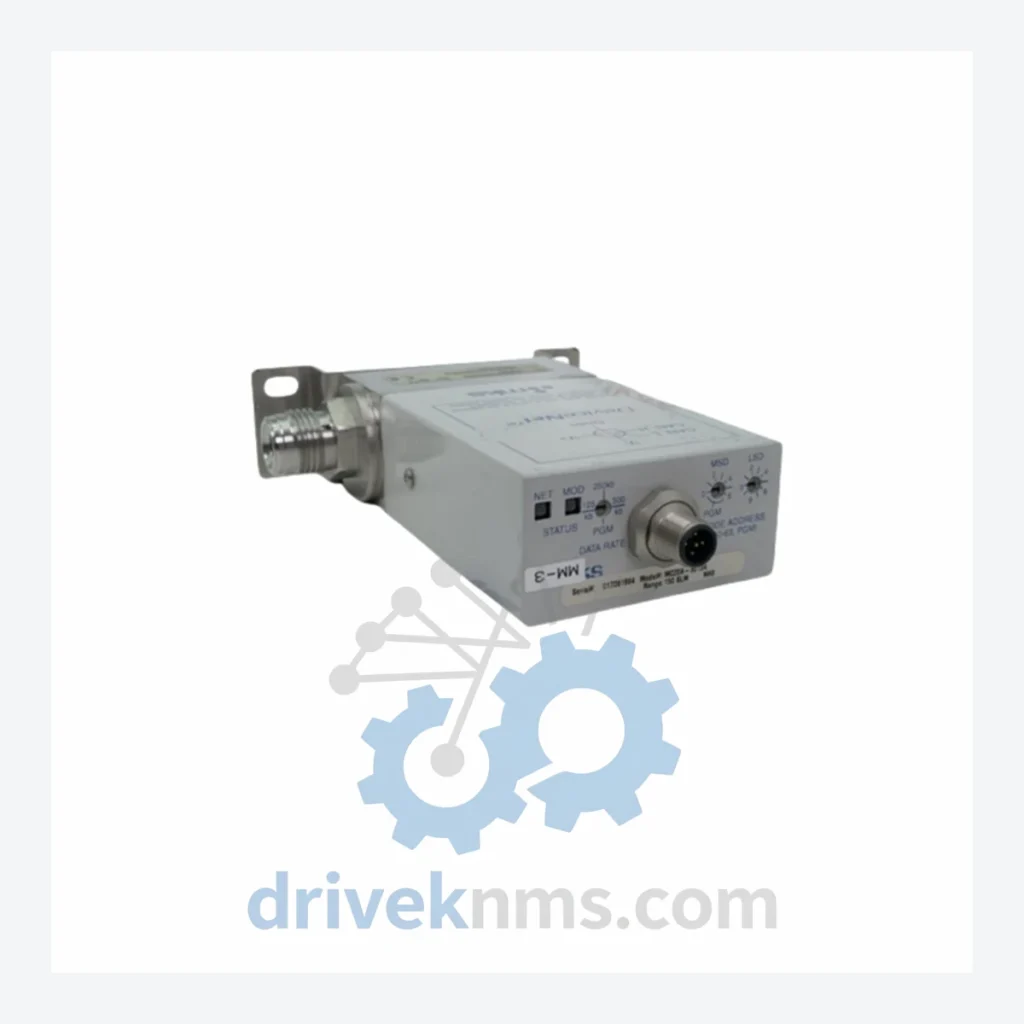
Model: MC20A-30190
Product Overview
Commercial availability is handled through direct RFQ, model verification and export-oriented follow-up rather than public cart checkout.
Datasheet Preview
Use attached product manuals when available. If the manual is not public yet, request the full file directly through RFQ.
Commercial Path
Product pages on DRIVEKNMS are designed to verify model, brand and series first, then move the buyer into one clean quotation path.
Technical Dossier
The MKS Instruments MC20A series mass flow controllers are precision gas flow management devices deployed across the full spectrum of global heavy industry, including semiconductor fabrication, chemical processing plants, petroleum refineries, nuclear facility gas handling systems, and flat-panel display manufacturing. The MC20A platform established MKS Instruments as a primary OEM supplier for process-critical gas delivery in environments where flow accuracy directly determines yield, safety compliance, and regulatory certification. Installed base spans facilities across North America, Europe, Japan, South Korea, and Taiwan, with long-term service contracts extending operational life well beyond standard product lifecycle windows.
The MC20A series represents MKS Instruments' thermal mass flow control platform, utilizing a capillary tube bypass sensor design with a proportional solenoid valve actuator. Early production units operated on analog 0-5 VDC or 4-20 mA command/readback signals, with RS-232 digital interface options introduced in later firmware revisions. The series was designed for compatibility with MKS Type 247, 651, and PR4000 readout and control systems, enabling integration into legacy process tool architectures without full controller replacement.
As process nodes advanced in semiconductor manufacturing, the MC20A was progressively replaced by the MKS GE50A and later the MFC Gen 2 platform (Type 1179/1479 series), which offered improved response time, lower pressure drop, and DeviceNet/EtherNet/IP fieldbus compatibility. However, the MC20A remains in active service in installed tools where retrofit costs are prohibitive, making long-term spare parts availability a critical operational requirement. The -30190 suffix in MC20A-30190 denotes a specific gas calibration and full-scale range configuration, typically nitrogen-equivalent at a defined sccm rating.
The following SKUs represent verified, commonly sourced configurations within the MKS MC20A series. Each unit is a thermal mass flow controller with integrated valve, calibrated for a specific gas and full-scale flow range.
The MC20A series has entered the mature/end-of-life phase of its product lifecycle. MKS Instruments no longer lists the MC20A as a current catalog item, and factory new stock is no longer available through standard distribution channels. DriveKNMS maintains a dedicated inventory program for obsolete and hard-to-find MKS flow control components, including the MC20A-30190 and related configurations.
DriveKNMS sources MC20A units through verified secondary market channels, decommissioned tool buybacks, and OEM surplus liquidation. All units are individually logged by serial number, calibration date, and service history where documentation is available. For customers operating legacy process tools with embedded MC20A controllers, DriveKNMS provides cross-reference support to identify functionally equivalent replacement units within the MKS GE50A or Type 1179 series where direct substitution is feasible, and supplies refurbished MC20A stock where form-fit-function replacement is required.
Each MC20A unit processed by DriveKNMS undergoes a structured inspection and functional verification protocol prior to shipment. The procedure addresses the specific failure modes common to thermal mass flow controllers of this generation, including sensor drift from contamination, valve seat wear, and PCB corrosion from process gas exposure.
Inspection steps include: visual examination of wetted surfaces and VCR fittings for corrosion, particulate contamination, or mechanical damage; electrical continuity verification of sensor bridge circuit and valve solenoid coil; functional flow test using nitrogen at calibrated reference conditions with readback comparison against factory specification; zero and span verification against the unit's original calibration certificate where available; and leak integrity check of valve seat at rated inlet pressure. Units that do not meet specification are either reconditioned to tolerance or quarantined and listed as-is for parts recovery. All conforming units ship with a DriveKNMS inspection report.
Related Paths
MKS 627D11TBC1B Capacitance Manometer: Procurement Strategy & Asset Return Value in a Supply-Constrained Market The MKS 627D11TBC1B is a Baratron®…
MKS 852B-13384 Baratron Capacitance Manometer: Supply Continuity Strategy for Procurement Managers The MKS 852B-13384 is a high-accuracy Baratron capacitance manometer…
MKS MC20A-30134 Mass Flow Controller – Obsolete ALTA Series Spare Part When an MKS MC20A-30134 fails on a production line,…