
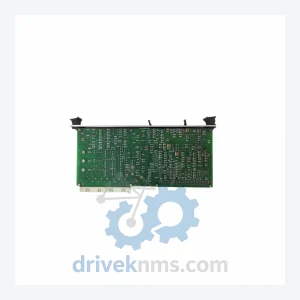
Yokogawa K9634DA-01 TCD Card Modules
Yokogawa K9634DA Series: Comprehensive Module Range and Technical Overview The Yokogawa K9634DA series TCD (Thermocouple/mV Input) cards are field-proven I/O…
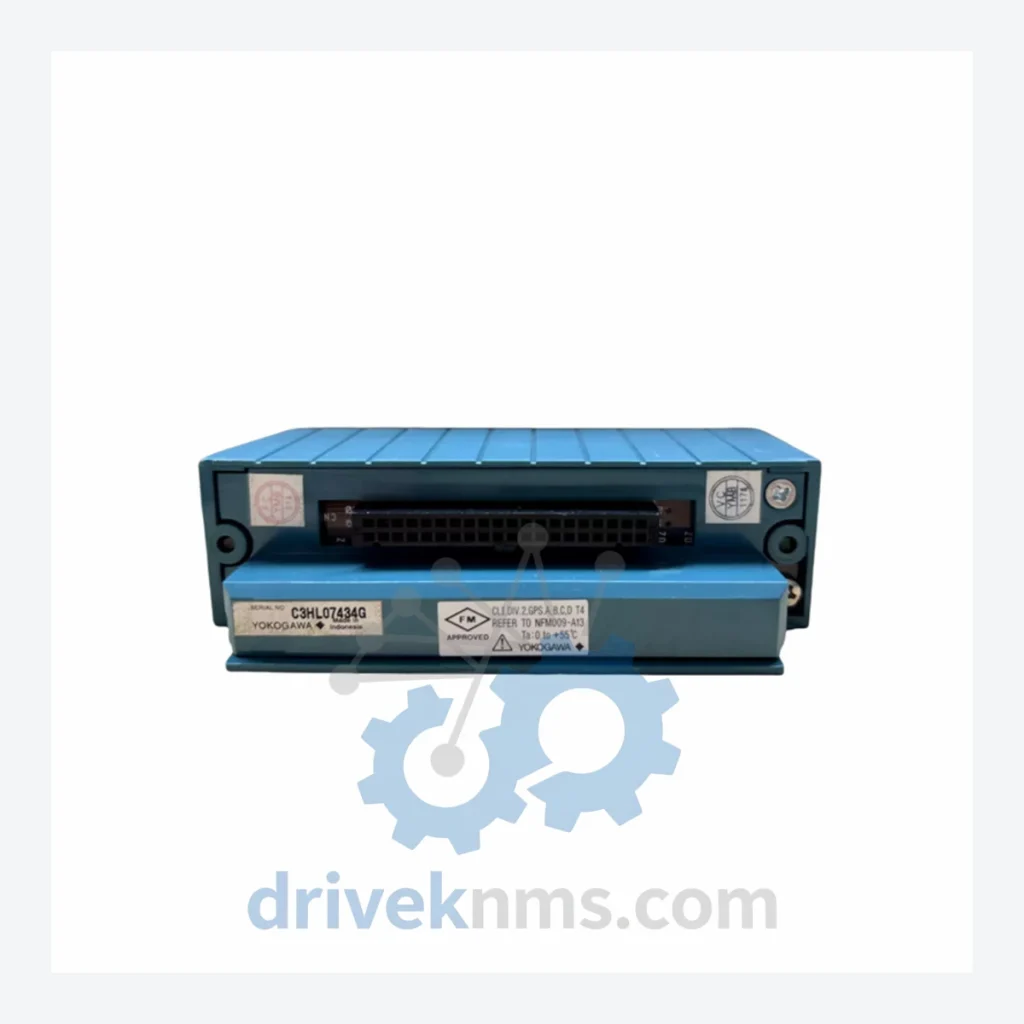
Model: NFTA4S-00 S2
Product Overview
Commercial availability is handled through direct RFQ, model verification and export-oriented follow-up rather than public cart checkout.
Datasheet Preview
Use attached product manuals when available. If the manual is not public yet, request the full file directly through RFQ.
Commercial Path
Product pages on DRIVEKNMS are designed to verify model, brand and series first, then move the buyer into one clean quotation path.
Technical Dossier
The Yokogawa NFTA4S-00 S2 Terminal Block Module is a field-wiring interface component deployed within the Yokogawa CENTUM VP and CENTUM CS 3000 Distributed Control Systems (DCS). These systems hold a dominant installed base across global heavy industries including petrochemical complexes, nuclear power facilities, LNG terminals, and crude oil refineries. The NFTA4S series provides the physical termination layer between field instrumentation (transmitters, actuators, solenoids) and the I/O modules mounted in the node units. Its 4-wire terminal configuration supports both analog and discrete signal types, making it a universal interface component across multi-loop control architectures. The S2 suffix denotes the second hardware revision, incorporating improved terminal clamping torque specifications and enhanced vibration resistance ratings compliant with IEC 60068-2-6.
Yokogawa's field terminal block architecture has evolved across three distinct DCS generations. In the CENTUM XL era (pre-1993), field wiring terminated directly onto node-mounted screw terminals with no intermediate marshalling layer. The introduction of CENTUM CS in 1993 established the modular terminal block concept, with the NFTA series providing a standardized 40-pin connector interface that decoupled field wiring from I/O module replacement cycles — a critical maintainability improvement for continuous-process plants with zero-downtime requirements.
The CENTUM CS 3000 platform (released 1998) standardized the NFTA4S form factor, which carried forward into CENTUM VP (released 2008) with backward-compatible mechanical dimensions. This cross-generation compatibility means NFTA4S-00 S2 units installed in CS 3000 nodes can be reused in VP migration projects without field rewiring — a significant capital cost reduction factor. The current CENTUM VP R6 platform (2016–present) continues to support the NFTA4S interface standard, though Yokogawa has introduced the NFTB series for new installations requiring higher channel density. Plants operating CS 3000 or early VP systems should treat NFTA4S inventory as a long-term maintenance requirement, as field replacement demand will persist through the 2030s given typical DCS lifecycle spans of 20–25 years.
The following SKUs represent the verified NFTA4S and associated field terminal block range within the Yokogawa CENTUM VP / CS 3000 ecosystem. Each model is classified by signal type and wiring configuration:
NFTA4S-00 S2: 4-wire terminal block, standard analog/discrete field interface, S2 revision
NFTA4S-00 S1: 4-wire terminal block, first hardware revision, legacy CS 3000 installations
NFTA4D-00 S2: 4-wire terminal block with built-in diode barrier, intrinsically safe field wiring
NFTA4D-00 S1: 4-wire diode barrier terminal block, first revision, IS zone applications
NFTA8S-00 S2: 8-wire terminal block, dual-channel field interface, high-density marshalling
NFTA8D-00 S2: 8-wire terminal block with diode barrier, dual-channel IS interface
NFTB4S-00 S1: Next-generation 4-wire terminal block, CENTUM VP R4/R6 new installations
NFTB8S-00 S1: Next-generation 8-wire terminal block, VP R4/R6 high-density nodes
NFTA4R-00 S2: 4-wire terminal block with relay output interface, discrete actuator wiring
NFTA4R-00 S1: 4-wire relay output terminal block, first revision, CS 3000 legacy
NFTA4T-00 S2: 4-wire terminal block, thermocouple/RTD direct-connect configuration
NFTA4T-00 S1: 4-wire thermocouple terminal block, first revision
NFTA4P-00 S2: 4-wire terminal block with pulse input interface, flow meter applications
NFTA4C-00 S2: 4-wire terminal block, current output configuration, valve positioner wiring
NFTA4V-00 S2: 4-wire terminal block, voltage input configuration, 1–5V signal range
NFTA4M-00 S2: 4-wire terminal block, HART-pass-through configuration, smart transmitter interface
NFTA4N-00 S2: 4-wire terminal block, non-incendive field wiring, NI zone applications
NFTA4Z-00 S2: 4-wire terminal block, Zener barrier integrated, IS zone alternative to diode type
Yokogawa has transitioned active production focus to the NFTB series for new CENTUM VP R6 installations. The NFTA4S-00 S1 revision is no longer manufactured and is classified as a discontinued part number in Yokogawa's official spare parts catalog. The S2 revision remains available through authorized channels but lead times from Yokogawa's factory in Japan typically range from 8 to 20 weeks for low-volume orders, creating operational risk for plants requiring immediate corrective maintenance.
Terminal block modules in the NFTA4S series interface directly with the 40-pin backplane connector of Yokogawa I/O modules. Connector pin integrity, terminal clamping mechanism function, and insulation resistance are the three primary failure modes observed in field-returned units. DriveKNMS applies the following test protocol to all NFTA4S units prior to shipment:
Backplane connector inspection uses a calibrated pin-force gauge to verify individual contact retention force against Yokogawa's specification of 0.3–0.8 N per pin. Terminal block clamping torque is verified at each of the 4 (or 8) field wiring positions using a calibrated torque screwdriver. Insulation resistance between all terminal positions and chassis ground is measured at 500 VDC using a Megger MIT400 series instrument, with acceptance threshold of ≥100 MΩ. Visual inspection under 10× magnification checks for cracked terminal housings, corroded contact surfaces, and damaged locking tabs on the backplane connector body. Units passing all four stages are labeled with a DriveKNMS QC pass sticker including test date and technician ID, and are shipped with a test record document.
Related Paths
Yokogawa K9634DA Series: Comprehensive Module Range and Technical Overview The Yokogawa K9634DA series TCD (Thermocouple/mV Input) cards are field-proven I/O…
Yokogawa UT350-01 Digital Indicating Controller – Obsolete UT Series Spare Part When a Yokogawa UT350-01 fails on the plant floor,…
YOKOGAWA K9403 Series: Comprehensive Module Range and Technical Overview The YOKOGAWA K9403 series Field Indication Device (FID) cards are deployed…