
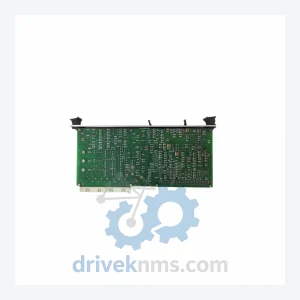
Yokogawa K9634DA-01 TCD Card Modules
Yokogawa K9634DA Series: Comprehensive Module Range and Technical Overview The Yokogawa K9634DA series TCD (Thermocouple/mV Input) cards are field-proven I/O…
Model: SNT521-53
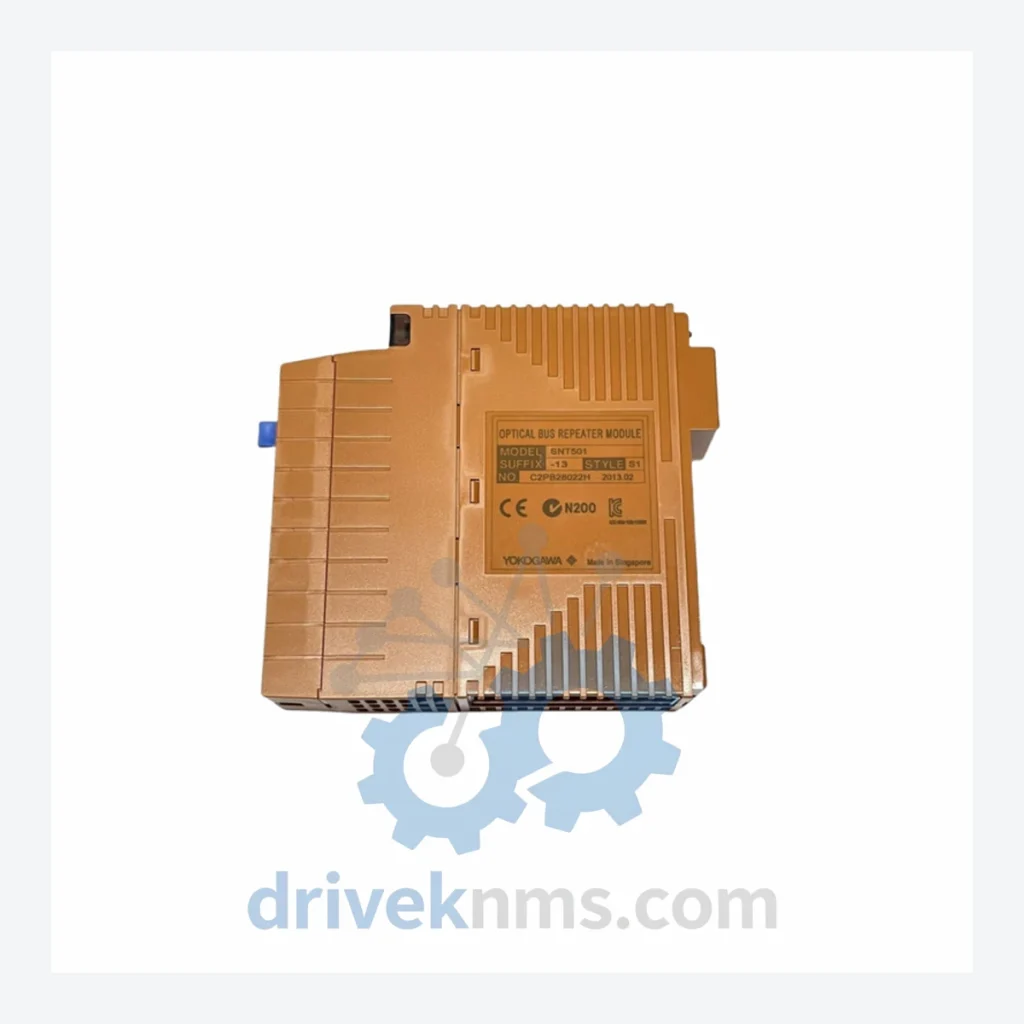
Product Overview
Commercial availability is handled through direct RFQ, model verification and export-oriented follow-up rather than public cart checkout.
Datasheet Preview
Use attached product manuals when available. If the manual is not public yet, request the full file directly through RFQ.
Commercial Path
Product pages on DRIVEKNMS are designed to verify model, brand and series first, then move the buyer into one clean quotation path.
Technical Dossier
When a Bus Repeater Slave Module fails in a Yokogawa CENTUM-based distributed control system, the consequences extend far beyond a single line stoppage. The CENTUM platform — deployed across refineries, chemical plants, and power generation facilities worldwide — was engineered for decades of continuous operation. Replacing it today means not just purchasing new hardware, but re-engineering the entire control architecture, rewriting thousands of function blocks, retraining operators, and absorbing weeks of planned downtime. Conservative estimates place full DCS migration costs between USD $2 million and $8 million per unit, depending on plant complexity. A single SNT521-53 module, sourced at the right moment, can defer that capital expenditure by years. DriveKNMS maintains verified stock of this discontinued component specifically for facilities that cannot afford to treat a hardware failure as a migration trigger.
| Parameter | Detail |
|---|---|
| Manufacturer | Yokogawa Electric Corporation |
| Part Number | SNT521-53 |
| Product Series | CENTUM (SNT5xx Bus Repeater Series) |
| Function | Bus Repeater Slave Module – extends and repeats the field bus signal between CENTUM control stations |
| Country of Origin | Japan |
| Discontinuation Status | Discontinued / Obsolete – no longer manufactured or supported by Yokogawa |
| Compatible Systems | Yokogawa CENTUM CS, CENTUM CS 1000, CENTUM CS 3000 (legacy configurations) |
| Note on Parameters | Detailed electrical parameters vary by revision. Contact DriveKNMS with your system revision for confirmation prior to order. |
The Yokogawa CENTUM platform represents one of the most widely deployed DCS architectures in process industries across Asia, the Middle East, and Europe. The SNT521-53 Bus Repeater Slave Module sits at a critical junction in the field bus topology: it regenerates and retransmits bus signals between control stations, maintaining communication integrity across the entire distributed network. Without it, entire segments of the control loop go silent.
Yokogawa ceased production of the SNT5xx series as the CENTUM platform transitioned toward CENTUM VP. However, tens of thousands of legacy CENTUM CS and CS 3000 installations remain in active service. For these facilities, the SNT521-53 is not a commodity item — it is a load-bearing component of a control architecture that cannot be partially upgraded without triggering a full system recertification.
Plant managers facing this situation have three realistic options: execute a full DCS migration (high cost, high risk, extended downtime), operate with a degraded bus topology (unacceptable for safety-critical processes), or source a verified replacement SNT521-53 from a specialist supplier. DriveKNMS exists to make the third option viable.
How to extend your CENTUM system life by 5–10 years through strategic spare parts management:
Every SNT521-53 unit supplied by DriveKNMS passes a structured 5-step quality assurance process before shipment. This process is designed specifically for discontinued industrial hardware, where the risks of latent component degradation are materially higher than for current-production parts.
What warranty applies to a discontinued module like the SNT521-53?
DriveKNMS provides a 90-day warranty covering functional defects identified after installation. Given the discontinued status of this component, we recommend customers treat the warranty period as a burn-in validation window and maintain a shelf spare in parallel.
How do I confirm the unit is genuine and not a counterfeit?
All units supplied by DriveKNMS are sourced from documented supply chains — decommissioned plant inventories, authorized distributor excess stock, and verified OEM surplus. We do not source from unverified brokers. Hardware revision markings and serial number formats are cross-checked against known authentic unit profiles.
Should I purchase more than one unit?
For a discontinued module with no current-production equivalent, holding a minimum of two units is the standard recommendation for any facility running continuous or safety-critical processes. The cost of a second unit is negligible relative to the cost of an unplanned outage while sourcing a replacement on the open market.
Can DriveKNMS source other discontinued Yokogawa CENTUM components?
Yes. DriveKNMS specializes in obsolete and hard-to-find industrial automation components across multiple platforms. Contact us with your full bill of materials for legacy system support.
Related Paths
Yokogawa K9634DA Series: Comprehensive Module Range and Technical Overview The Yokogawa K9634DA series TCD (Thermocouple/mV Input) cards are field-proven I/O…
Yokogawa UT350-01 Digital Indicating Controller – Obsolete UT Series Spare Part When a Yokogawa UT350-01 fails on the plant floor,…
YOKOGAWA K9403 Series: Comprehensive Module Range and Technical Overview The YOKOGAWA K9403 series Field Indication Device (FID) cards are deployed…