
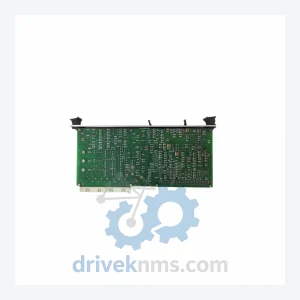
Yokogawa K9634DA-01 TCD Card Modules
Yokogawa K9634DA Series: Comprehensive Module Range and Technical Overview The Yokogawa K9634DA series TCD (Thermocouple/mV Input) cards are field-proven I/O…
Model: SNT401-53
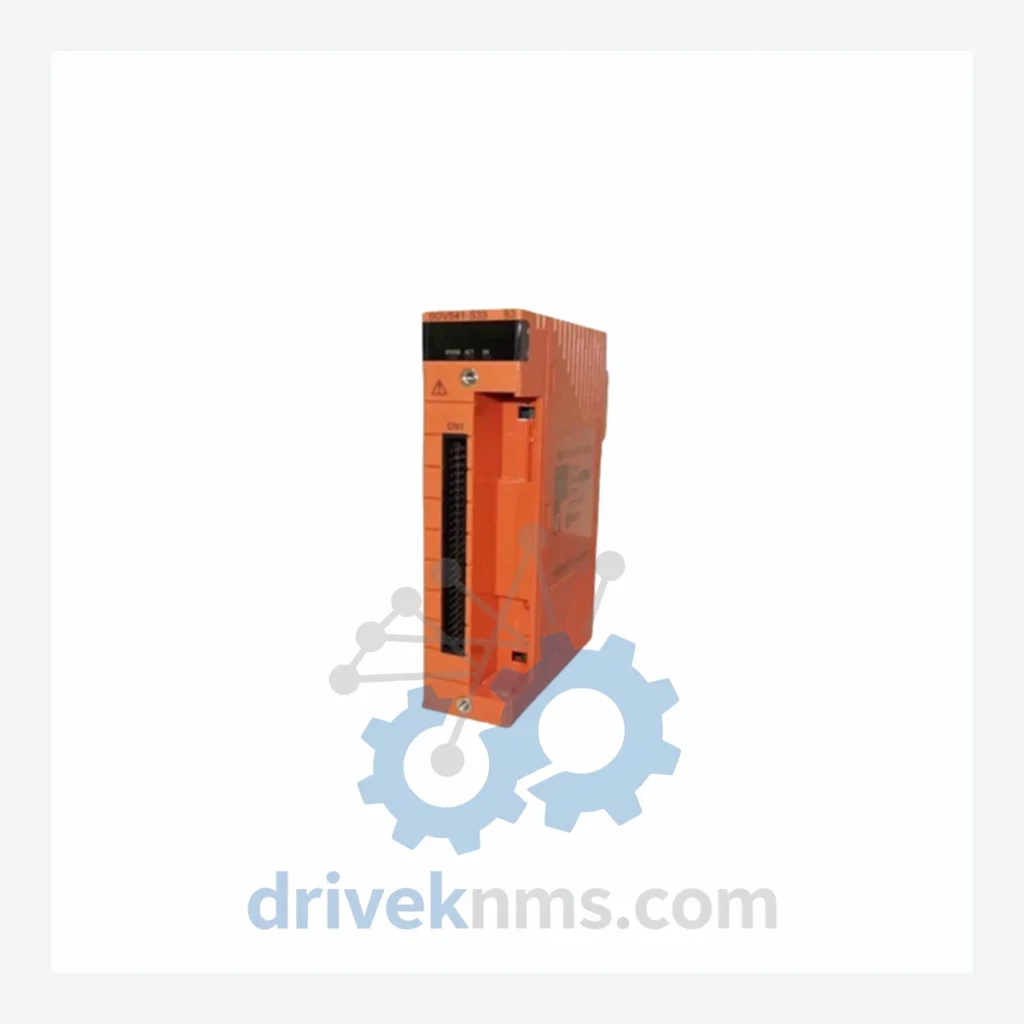
Product Overview
Commercial availability is handled through direct RFQ, model verification and export-oriented follow-up rather than public cart checkout.
Datasheet Preview
Use attached product manuals when available. If the manual is not public yet, request the full file directly through RFQ.
Commercial Path
Product pages on DRIVEKNMS are designed to verify model, brand and series first, then move the buyer into one clean quotation path.
Technical Dossier
The Yokogawa SNT400 series represents a core subsystem layer within the CENTUM CS 3000 and CENTUM VP distributed control systems — platforms that have accumulated decades of installed base across global heavy industry sectors including petrochemical complexes, nuclear power generation facilities, crude oil refineries, and LNG processing terminals. The SNT400 series specifically addresses field bus communication and signal repeating functions, enabling reliable data transmission across extended field networks in high-noise industrial environments. Its modular architecture integrates directly into Yokogawa's V-net/RIO (Remote I/O) bus topology, making it a non-substitutable component in legacy and active CENTUM installations worldwide.
The SNT400 series was introduced as part of Yokogawa's CENTUM CS 3000 platform, which succeeded the CENTUM-XL and CENTUM CS systems in the late 1990s. The series was designed to extend the physical reach of the V-net field bus by providing signal regeneration and isolation between bus segments. Early iterations of the SNT400 architecture relied on parallel backplane communication with fixed slot assignments; later revisions introduced improved EMI shielding and extended operating temperature tolerance to accommodate outdoor and semi-outdoor cabinet installations common in Middle Eastern and Southeast Asian refinery projects.
With the transition to CENTUM VP (circa 2008 onward), Yokogawa maintained backward compatibility for SNT400 series modules within VP-based field control stations, allowing operators to retain existing SNT400 hardware during phased migration projects. As of 2026, the SNT400 series is classified as a mature/end-of-life product line. Yokogawa has ceased volume production of most SNT400 variants; however, the installed base remains substantial, and lifecycle extension support — including third-party refurbished and tested units — is the primary procurement channel for maintenance and emergency replacement scenarios.
The following SKUs represent verified, commonly referenced models within the Yokogawa SNT400 series. Models are categorized by primary function:
Bus Repeater / Communication Modules
Remote I/O Node Modules
Power Supply Modules
Termination & Interface Modules
DriveKNMS maintains a dedicated inventory program for end-of-life Yokogawa SNT400 series components. As Yokogawa has transitioned its active product portfolio toward CENTUM VP R6 and the Unified Controller platform, procurement of SNT400 modules through standard distribution channels has become increasingly constrained. DriveKNMS sources SNT400 units through decommissioned plant asset recovery, authorized surplus channels, and direct refurbishment programs.
For operators managing CENTUM CS 3000 or early CENTUM VP installations with a planned operational horizon extending beyond 2030, DriveKNMS provides multi-year supply agreements, consignment stock arrangements, and emergency same-day dispatch for critical spares. All units are catalogued by revision level and firmware compatibility to ensure drop-in replacement without field control station reconfiguration.
SNT400 series modules present specific test challenges due to their role as active bus communication components. DriveKNMS applies a structured verification protocol to all SNT400 units prior to dispatch:
Related Paths
Yokogawa K9634DA Series: Comprehensive Module Range and Technical Overview The Yokogawa K9634DA series TCD (Thermocouple/mV Input) cards are field-proven I/O…
Yokogawa UT350-01 Digital Indicating Controller – Obsolete UT Series Spare Part When a Yokogawa UT350-01 fails on the plant floor,…
YOKOGAWA K9403 Series: Comprehensive Module Range and Technical Overview The YOKOGAWA K9403 series Field Indication Device (FID) cards are deployed…