
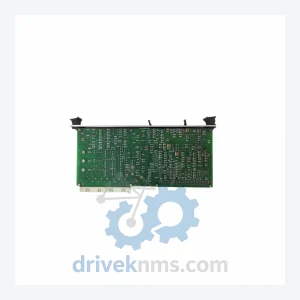
Yokogawa K9634DA-01 TCD Card Modules
Yokogawa K9634DA Series: Comprehensive Module Range and Technical Overview The Yokogawa K9634DA series TCD (Thermocouple/mV Input) cards are field-proven I/O…
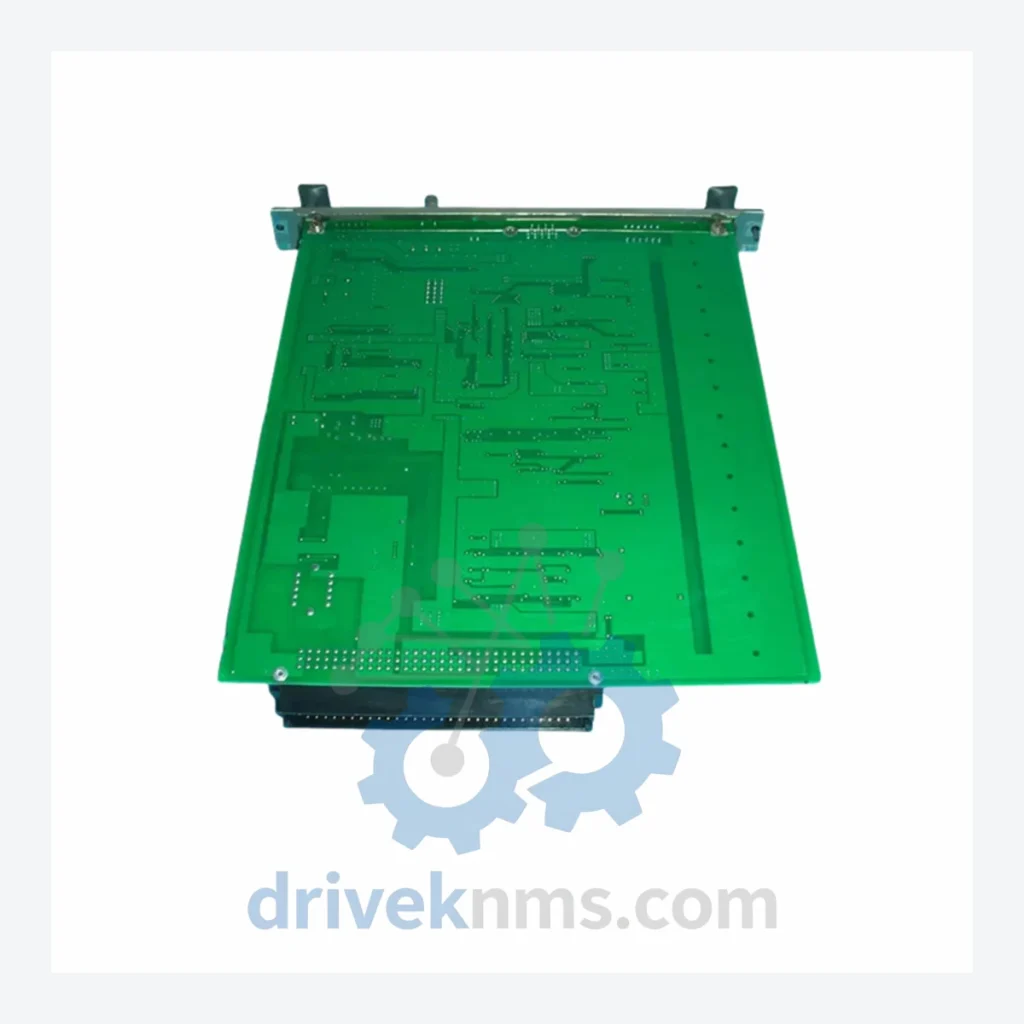
Model: RB401-S4
Product Overview
Commercial availability is handled through direct RFQ, model verification and export-oriented follow-up rather than public cart checkout.
Datasheet Preview
Use attached product manuals when available. If the manual is not public yet, request the full file directly through RFQ.
Commercial Path
Product pages on DRIVEKNMS are designed to verify model, brand and series first, then move the buyer into one clean quotation path.
Technical Dossier
The Yokogawa Remote I/O (RIO) series is a core subsystem of the CENTUM CS 3000 and CENTUM VP Distributed Control Systems (DCS), deployed across global heavy industries including petrochemical refineries, nuclear power facilities, LNG terminals, pulp and paper plants, and offshore platforms. The RIO architecture enables field signal acquisition and distribution over a dedicated RIO bus, decoupling field wiring from the central controller cabinet and allowing modular, scalable I/O expansion across large process plants. The RB401-S4 is a RIO Bus Interface Module that manages communication between the RIO node and the field control station (FCS), operating as the backbone of the node's data exchange layer. Its deployment in safety-critical and continuous-process environments has made it one of the most frequently maintained and replaced modules in the CENTUM installed base worldwide.
The Yokogawa RIO architecture was introduced alongside the CENTUM CS 3000 platform in the late 1990s as a replacement for the earlier CENTUM XL and μXL distributed I/O schemes. The original RIO bus operated as a dual-redundant coaxial serial link, providing deterministic scan cycles suitable for process control loops. With the transition to CENTUM VP (introduced circa 2008), Yokogawa retained backward compatibility with CS 3000 RIO nodes, allowing existing field wiring and I/O modules to remain in service while the controller layer was upgraded. This cross-generation compatibility is a defining characteristic of the RIO series and a primary reason why aging RIO hardware — including the RB401-S4 — remains in active service in plants that have partially migrated to VP architecture. Later CENTUM VP revisions introduced the ESB (Expanded Serial Bus) and eventually Ethernet-based I/O (Vnet/IP), but the legacy RIO bus nodes continue to operate in parallel in brownfield installations. The RB401-S4 belongs to the mature phase of this lifecycle: fully proven, no longer manufactured, and dependent on the secondary market for replacement supply.
The following SKUs represent verified, commonly deployed modules within the Yokogawa CENTUM CS 3000 / CENTUM VP RIO subsystem. Modules are classified by functional category.
RIO Bus Interface & Communication Modules
Analog Input Modules
Analog Output Modules
Digital Input Modules
Digital Output Modules
Power Supply Modules
The RB401-S4 and the broader CENTUM CS 3000 RIO module range have reached end-of-manufacture status. Yokogawa's official support for CS 3000 hardware has transitioned to a limited lifecycle maintenance model, with new unit procurement no longer available through standard distribution channels. DriveKNMS maintains a dedicated inventory of tested, pull-out RIO series modules sourced from decommissioned plant assets, controlled shutdowns, and verified surplus stock. All units are inspected prior to listing. For plants operating extended asset life programs — common in refineries and power generation facilities with 20–30 year equipment cycles — DriveKNMS provides a reliable secondary supply channel for RB401-S4 and associated RIO node components. Customers requiring multiple units for critical spares programs are encouraged to submit a consolidated BOM for batch quotation.
RIO bus modules present specific test challenges due to their dual-redundant bus arbitration logic and node-level firmware dependencies. DriveKNMS applies a structured verification protocol to all RIO series modules prior to dispatch. Each RB401-S4 unit undergoes visual inspection for backplane connector wear, capacitor condition, and conformal coating integrity. Functional testing is performed using a CENTUM CS 3000 or VP test bench with live RIO bus traffic to verify bus arbitration, node address assignment, and error-free data exchange under simulated load. Firmware revision is recorded and disclosed to the customer prior to shipment. Modules exhibiting intermittent bus errors or degraded communication margins are rejected and not offered for sale. Test records are retained and available upon request for quality-audited procurement programs.
Related Paths
Yokogawa K9634DA Series: Comprehensive Module Range and Technical Overview The Yokogawa K9634DA series TCD (Thermocouple/mV Input) cards are field-proven I/O…
Yokogawa UT350-01 Digital Indicating Controller – Obsolete UT Series Spare Part When a Yokogawa UT350-01 fails on the plant floor,…
YOKOGAWA NFDR Series: Comprehensive Module Range and Technical Overview The YOKOGAWA NFDR series relay output modules are core field control…