
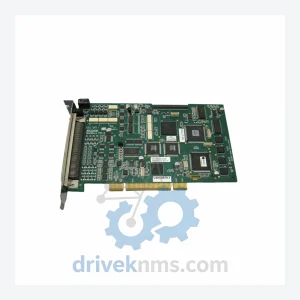
BALDOR PCI201 Series AC Drives – PCI201-514D
BALDOR PCI201 Series: Comprehensive Module Range and Technical Overview The BALDOR PCI201 series represents a line of low-voltage AC variable…
Model: 34-6549-3946G3
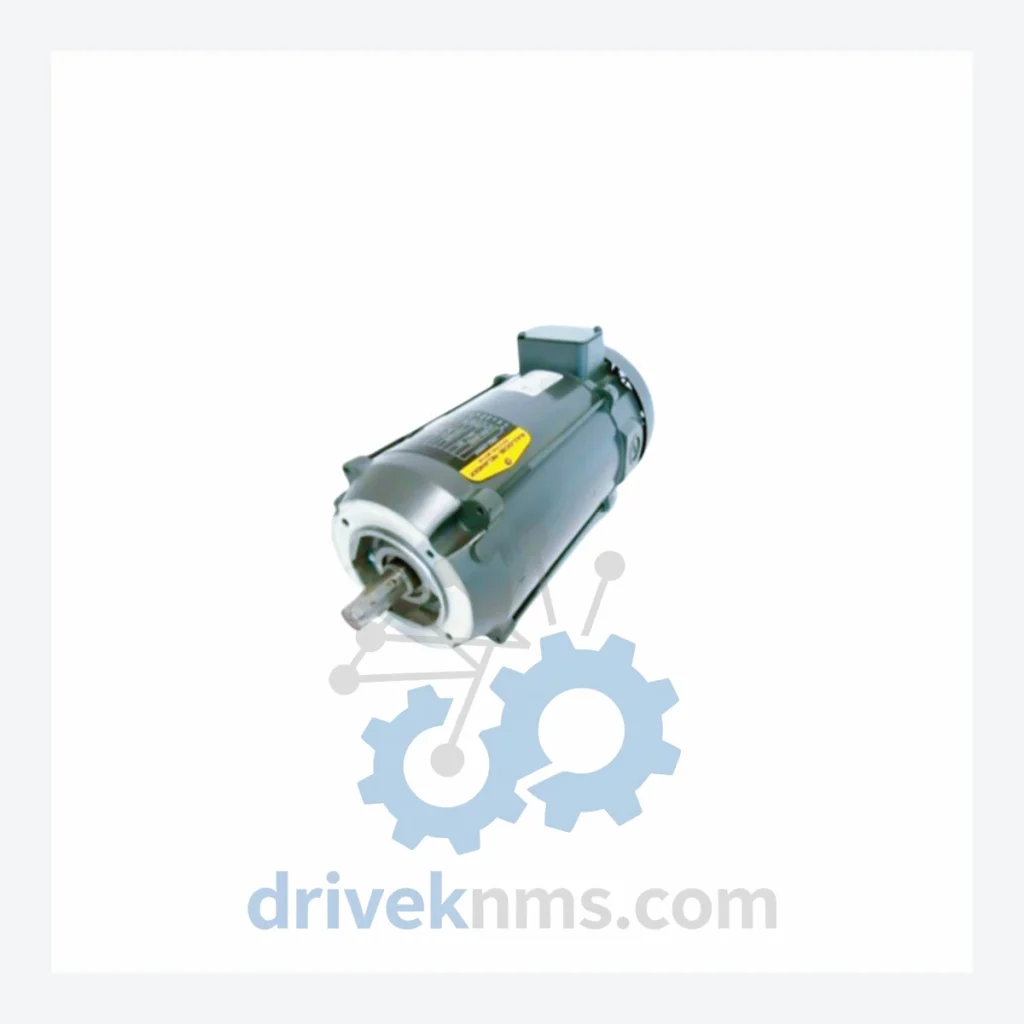
Product Overview
Commercial availability is handled through direct RFQ, model verification and export-oriented follow-up rather than public cart checkout.
Datasheet Preview
Use attached product manuals when available. If the manual is not public yet, request the full file directly through RFQ.
Commercial Path
Product pages on DRIVEKNMS are designed to verify model, brand and series first, then move the buyer into one clean quotation path.
Technical Dossier
When a Baldor 34-6549-3946G3 motor fails on your production line, the clock starts immediately. This is not a component you source from a distributor's shelf — Baldor discontinued this frame series, and standard supply channels have been dry for years. The real cost is not the motor itself. A forced line upgrade triggered by a single unavailable motor can run into hundreds of thousands — sometimes millions — of dollars when you factor in engineering redesign, new drive compatibility validation, PLC reprogramming, installation downtime, and requalification. DriveKNMS holds verified physical stock of the 34-6549-3946G3. Securing a spare now is the lowest-cost insurance policy available to your maintenance team.
| Attribute | Detail |
|---|---|
| Manufacturer | Baldor Electric (Baldor-Reliance) |
| Part Number | 34-6549-3946G3 |
| Product Category | AC Electric Motor |
| Country of Origin | United States |
| Discontinuation Status | Discontinued / Obsolete – No longer in active production |
| Typical Legacy System Compatibility | Industrial drive systems using Baldor-Reliance frame motors; commonly paired with legacy variable frequency drives (VFDs) and fixed-speed conveyor, pump, and fan applications in manufacturing environments |
| Availability | Limited stock – subject to prior sale |
Note: Specific electrical parameters (HP, RPM, voltage, frame, enclosure) for this exact catalog number are not published here to prevent inaccurate data from being used in safety-critical applications. Please contact us directly for the verified nameplate data from our physical unit.
The Baldor-Reliance motor series that includes the 34-6549-3946G3 was engineered for long-cycle industrial duty — the kind of application where a motor runs continuously for 10 to 20 years before it becomes a maintenance concern. That longevity is precisely what creates the obsolescence trap: the surrounding infrastructure — the drive cabinet, the mounting frame, the coupling, the control logic — was all designed around this motor's exact frame dimensions, shaft geometry, and electrical characteristics.
Replacing it with a current-production motor is rarely a simple swap. Frame standards have shifted. Efficiency regulations (IE3, NEMA Premium) have changed winding configurations. A modern replacement may require a new motor base, shaft adapter, or drive parameter retune. In a regulated production environment, that retune may itself require a formal change control process and revalidation — weeks of engineering time before the line runs again.
The 34-6549-3946G3 eliminates that entire chain of problems. It bolts in where the original bolted in. The shaft fits the existing coupling. The electrical characteristics match what the drive expects. For plant managers operating under capital expenditure constraints, this is not a sentimental attachment to old hardware — it is a rational, cost-justified decision to protect an asset that still has productive years remaining.
Extending the service life of an existing production line by 5 to 10 years through targeted spare part procurement is a well-established maintenance strategy in industries from food processing to chemical manufacturing to water treatment. The capital cost of the line has already been absorbed. Every additional year of productive output from that asset improves the return on the original investment. A single spare motor, held in climate-controlled storage, is the lowest-cost mechanism available to guarantee that continuity.
Obsolete motors sourced from secondary markets carry real risk if the inspection process is inadequate. DriveKNMS applies a structured 5-step evaluation protocol before any unit is offered for sale:
Step 1 – Electrolytic Capacitor Assessment: Where applicable (motor starting capacitors, associated drive components), capacitors are inspected for bulging, leakage, and ESR degradation. Aged capacitors are the most common silent failure mode in stored electrical equipment.
Step 2 – Winding Insulation Test: Insulation resistance is measured to verify winding integrity. Motors that have been stored in humid or thermally variable environments are particularly susceptible to insulation breakdown.
Step 3 – Bearing Inspection: Bearings are rotated by hand and assessed for roughness, noise, and axial play. Units with suspect bearings are flagged for replacement before sale.
Step 4 – Shaft and Frame Inspection: Shaft runout, keyway condition, and frame integrity are checked. Pin corrosion, rust pitting on the shaft, and damaged mounting feet are documented and disclosed.
Step 5 – Nameplate and Firmware/Label Verification: The nameplate data is cross-referenced against the catalog number to confirm the unit is the correct specification. No unit is sold as a different part number than what its nameplate states.
Drop-in replacement: The 34-6549-3946G3 is a direct mechanical and electrical substitute for the original installation. No frame modification, no shaft adapter, no drive reconfiguration required in standard applications.
No reprogramming required: Because the motor's electrical characteristics match the original, the existing VFD or starter does not require parameter changes in most installations. This eliminates the need for a controls engineer to be on-site for the swap.
Avoids engineering redesign costs: A forced migration to a current-production motor frame can require new motor mounts, coupling adapters, and a formal change control process. The 34-6549-3946G3 bypasses all of that.
Long-term spares strategy: For facilities running multiple units of the same motor, purchasing two or three spares now — while stock exists — is standard practice in reliability-centered maintenance programs. The cost of a spare motor is a fraction of one hour of unplanned downtime on a high-throughput line.
What warranty applies to an obsolete motor?
DriveKNMS provides a 90-day warranty against defects identified through our inspection process. Given the discontinued nature of this part, we recommend customers perform incoming inspection upon receipt and commission the unit in a controlled environment.
How do I know the unit is genuine and correctly specified?
Every unit we sell carries its original nameplate. We do not relabel or remanufacture part numbers. The catalog number on the nameplate will match the part number on your invoice. If you require nameplate photos prior to purchase, we provide them on request.
Should I buy more than one unit?
For any production-critical application where this motor is the single point of failure, holding at least one cold spare is standard reliability practice. If you operate multiple machines with this motor, a ratio of one spare per three to five installed units is a reasonable starting point. We can discuss volume pricing for multi-unit orders.
Can you source additional units if I need more than you have in stock?
Our procurement network covers decommissioned plant equipment, OEM overstock, and authorized secondary market channels. Contact us with your quantity requirement and we will advise on availability and lead time.
Related Paths
BALDOR PCI201 Series: Comprehensive Module Range and Technical Overview The BALDOR PCI201 series represents a line of low-voltage AC variable…
Baldor BRU-105 Servo Drive – Obsolete Series Spare Part: Protecting Your Automation Assets When the OEM No Longer Can When…
ALSTOM MVAJ105RA0802A Protection Relay: Supply Continuity Strategy for a Discontinued Critical Component The ALSTOM MVAJ105RA0802A is a numerical protection relay…