
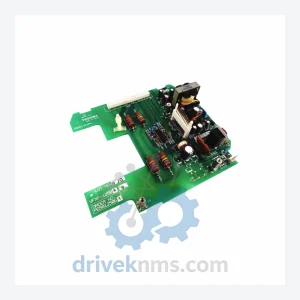
TOSHIBA P6581471P4 VFXF-1250 Circuit Board – VFXF Series
TOSHIBA P6581471P4 VFXF-1250 Circuit Board: Securing Supply in a Constrained Market The TOSHIBA P6581471P4 VFXF-1250 is a control circuit board…
Model: EN751A GEN751AS
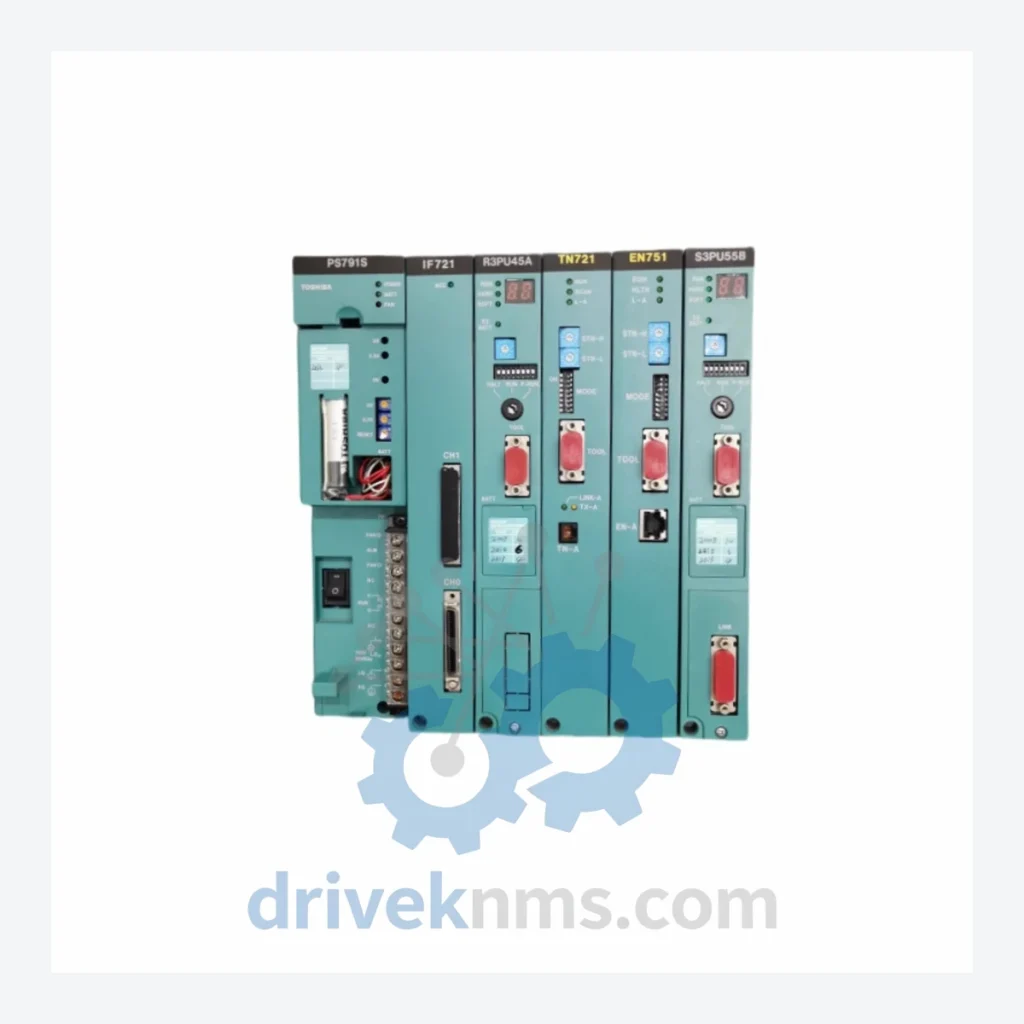
Product Overview
Commercial availability is handled through direct RFQ, model verification and export-oriented follow-up rather than public cart checkout.
Datasheet Preview
Use attached product manuals when available. If the manual is not public yet, request the full file directly through RFQ.
Commercial Path
Product pages on DRIVEKNMS are designed to verify model, brand and series first, then move the buyer into one clean quotation path.
Technical Dossier
When a Toshiba EN751A or GEN751AS control module fails in an aging production environment, the consequences extend far beyond a single line stoppage. Plants running legacy Toshiba T Series PLC infrastructure face a stark choice: locate the original hardware, or commit to a full system migration that routinely costs $500,000–$2,000,000 USD in engineering, revalidation, and lost production time. DriveKNMS holds verified physical stock of this discontinued module. For maintenance managers and plant engineers who cannot afford that migration cost, this listing represents a direct path to restoring operations without touching the control architecture.
| Parameter | Detail |
|---|---|
| Manufacturer | Toshiba |
| Part Number | EN751A / GEN751AS |
| Series | Toshiba T Series PLC |
| Module Type | PLC Control Module |
| Country of Origin | Japan |
| Lifecycle Status | Discontinued / Obsolete – No longer manufactured by Toshiba |
| Compatible Systems | Toshiba T Series PLC platforms (legacy industrial automation) |
| Condition Available | New Old Stock (NOS) / Professionally Refurbished |
Note: Electrical parameters not listed here are not confirmed from verified datasheets. DriveKNMS does not publish unverified specifications. Contact us for application-specific technical consultation.
The Toshiba T Series PLC platform was widely deployed across process industries, discrete manufacturing, and utilities throughout the 1990s and early 2000s. The EN751A and GEN751AS modules served as core control elements within these systems, handling logic execution and I/O coordination that the entire production cell depended upon.
Toshiba has formally discontinued this product line. No authorized channel carries new stock. When one of these modules degrades — through capacitor aging, firmware corruption, or physical damage — the plant faces a hard deadline. The surrounding infrastructure: field wiring, operator interfaces, SCADA integrations, and process interlocks — was engineered around this specific hardware. Replacing it with a modern PLC requires re-engineering every one of those integration points.
For factories operating on 10–15 year asset depreciation cycles, the EN751A and GEN751AS represent a maintenance problem that can be solved for a fraction of the cost of system replacement. Sourcing a verified spare from DriveKNMS extends the operational life of the existing control system by 5–10 years, deferring capital expenditure until it is financially planned rather than crisis-driven.
Plants that maintain a buffer stock of two to three units of this module eliminate unplanned downtime risk entirely. The cost of holding that inventory is negligible against the cost of a single unplanned shutdown in a continuous process environment.
Obsolete hardware sourced from secondary markets carries real risk. DriveKNMS applies a structured 5-step QA process to every unit before shipment:
Plant managers facing pressure to retire aging Toshiba T Series systems often underestimate the leverage that a disciplined spare parts strategy provides. The following approach has been used by maintenance teams across process industries to defer system replacement without accepting increased downtime risk:
1. Identify single-point-of-failure modules. In any legacy PLC system, certain modules — typically the CPU, communication, and power supply cards — have no redundancy and no modern equivalent. The EN751A and GEN751AS fall into this category for T Series installations. These are the modules that, if they fail without a spare on hand, force an immediate system replacement decision.
2. Establish a minimum buffer stock. For non-redundant critical modules, a minimum of two spare units on-site eliminates the sourcing lead time risk entirely. Secondary market availability for discontinued Toshiba hardware is finite and decreasing. Units available today may not be available in 18 months.
3. Implement a scheduled inspection cycle. Legacy PLC hardware does not fail randomly. Electrolytic capacitors have predictable service lives. A scheduled annual inspection of installed modules — checking for capacitor condition, connector integrity, and firmware status — allows proactive replacement before failure occurs.
4. Document system configuration before any module swap. Before replacing any control module, capture a full backup of the application program, I/O configuration, and any module-specific parameters. This is standard practice but frequently skipped under emergency conditions. A documented backup eliminates recovery risk.
5. Evaluate total cost of ownership honestly. A new Toshiba T Series-compatible spare module from DriveKNMS costs a fraction of one hour of unplanned downtime on a continuous process line. The financial case for maintaining a spare parts buffer is not complex — it is a straightforward comparison of holding cost versus downtime cost.
Q: What warranty applies to discontinued modules?
A: DriveKNMS provides a 90-day warranty covering functional defects on all refurbished units. New Old Stock units carry a 180-day warranty. Warranty terms are confirmed in writing at the time of order.
Q: How do I know the unit is genuine and not counterfeit?
A: All Toshiba modules sourced by DriveKNMS are inspected for manufacturer markings, PCB construction, and component authenticity. We do not source from unverified brokers. Provenance documentation is available on request.
Q: Can I order multiple units for a cold spare program?
A: Yes. Multi-unit orders are accommodated and encouraged for critical applications. Contact us to discuss volume pricing and availability timelines.
Q: What if my system requires a specific firmware revision?
A: Provide your system's current firmware version when inquiring. DriveKNMS will confirm compatibility before shipment.
Q: How quickly can you ship?
A: In-stock units typically ship within 1–3 business days. Express international shipping is available. Contact us for lead time confirmation on your specific requirement.
Related Paths
TOSHIBA P6581471P4 VFXF-1250 Circuit Board: Securing Supply in a Constrained Market The TOSHIBA P6581471P4 VFXF-1250 is a control circuit board…
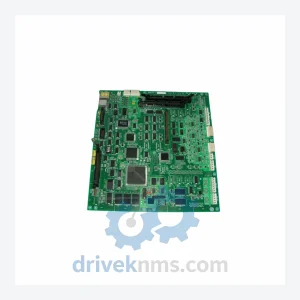
Toshiba ARND-3110 Series: Comprehensive Module Range and Technical Overview The Toshiba ARND-3110 series is a core component family within Toshiba's…
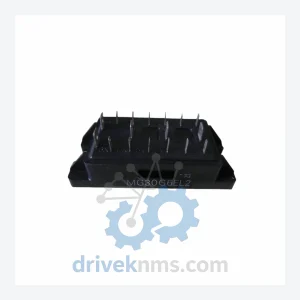
Toshiba MG30G6EL2 IGBT Power Module – Obsolete Legacy Spare Part When a power module fails in a legacy variable frequency…