
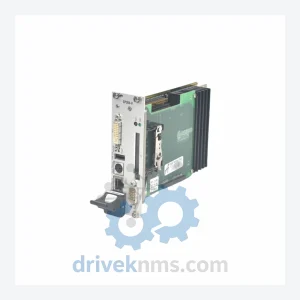
Kontron CP306-V Control Board – Obsolete CompactPCI Spare Part
Kontron CP306-V Control Board – Obsolete CompactPCI Spare Part When a Kontron CP306-V fails in a production environment, the consequences…
Model: ASMC2177G
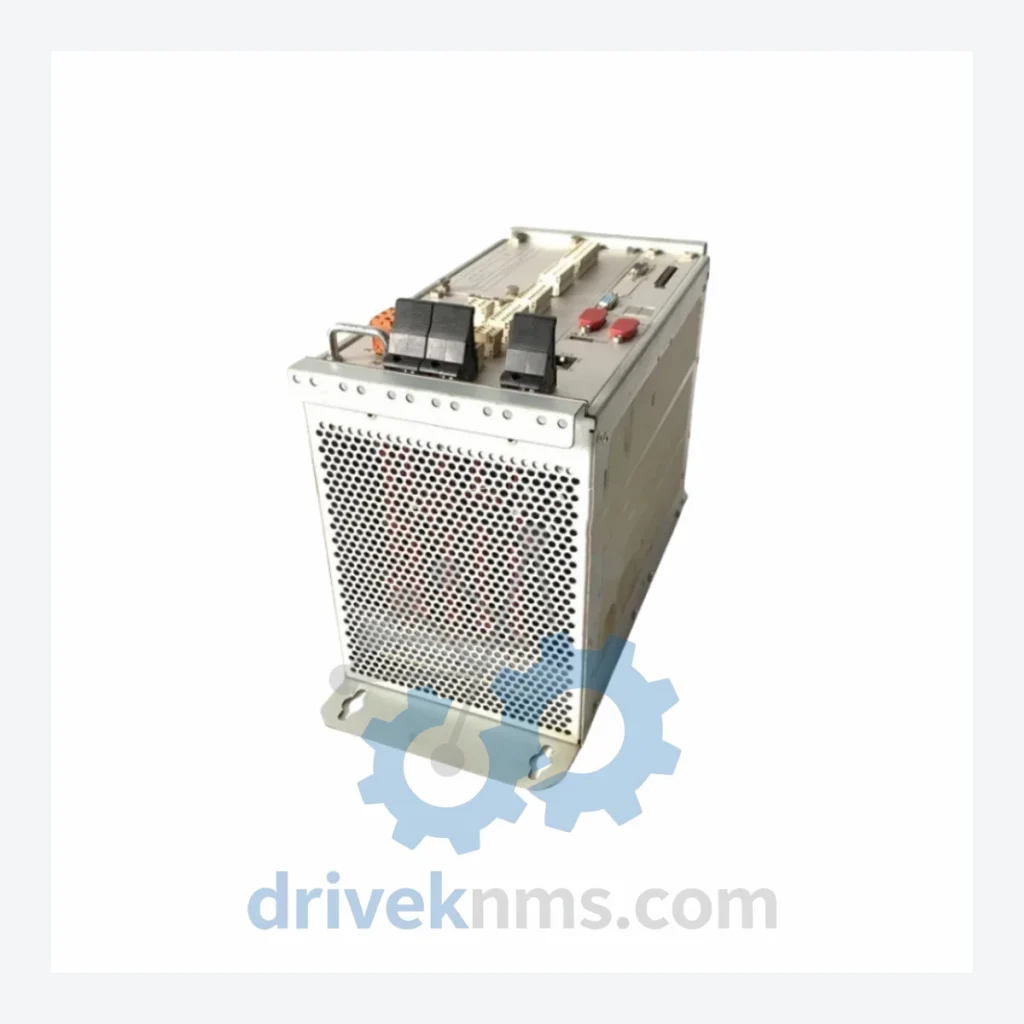
Product Overview
Commercial availability is handled through direct RFQ, model verification and export-oriented follow-up rather than public cart checkout.
Datasheet Preview
Use attached product manuals when available. If the manual is not public yet, request the full file directly through RFQ.
Commercial Path
Product pages on DRIVEKNMS are designed to verify model, brand and series first, then move the buyer into one clean quotation path.
Technical Dossier
The Kontron ASMC series represents a family of embedded computing and industrial controller modules deployed across heavy industrial environments including chemical processing plants, oil refineries, nuclear facilities, and power generation infrastructure. Kontron, headquartered in Germany, is a Tier-1 supplier of COTS (Commercial Off-The-Shelf) embedded computing platforms. The ASMC product line occupies the mid-to-high tier of Kontron's industrial module portfolio, designed for applications requiring deterministic real-time performance, extended temperature tolerance, and long-term availability commitments. Installed base spans North America, Europe, and Asia-Pacific across facilities with 10–25 year operational lifecycles, making spare parts availability a critical procurement concern.
The ASMC architecture is built on Kontron's CompactPCI and PICMG-compliant backplane standards, evolving through several generations of processor and bus technology. Early ASMC modules utilized Intel x86 single-board computer architectures with ISA/PCI bus interfaces, targeting VMEbus and CompactPCI chassis environments common in SCADA and DCS integration projects of the late 1990s and early 2000s. Mid-generation modules transitioned to Intel Core and Atom processor families, incorporating PCIe Gen 2 backplane connectivity, IPMI 2.0 baseboard management, and ECC DDR3 memory subsystems. Current and late-series ASMC modules support PCIe Gen 3, DDR4 ECC, and extended temperature ranges of -40°C to +85°C for harsh environment deployment. Compatibility across generations is chassis-dependent; PICMG 2.0 R3.0 compliance is maintained across most mid-to-late series units, but early-generation modules require verification against specific backplane pinout revisions. Firmware and BIOS versions are not cross-compatible between generations without factory re-flashing.
The following SKUs represent verified models within the Kontron ASMC series, classified by functional category:
Controller / SBC Modules
I/O Modules
Communication & Network Adapter Modules
Power Supply Modules
Kontron has formally transitioned several early and mid-generation ASMC modules to End-of-Life (EOL) status, with last-time-buy windows now closed for models including ASMC2160G and select I/O variants. For facilities operating legacy ASMC-based control systems, replacement procurement through the standard distribution channel is no longer viable. DriveKNMS maintains a dedicated inventory of tested surplus, refurbished, and new-old-stock (NOS) ASMC modules sourced from decommissioned industrial sites, OEM overstock, and authorized secondary market channels. All units are catalogued by revision level and firmware version to ensure compatibility with existing chassis and backplane configurations. DriveKNMS provides cross-reference support to identify functional equivalents where direct replacements are unavailable, including Kontron-approved migration paths to current-generation platforms where applicable. Long-term maintenance contracts and consignment inventory programs are available for facilities requiring guaranteed spare parts availability over 5–15 year horizons.
ASMC modules present specific test challenges due to their CompactPCI backplane bus architecture and multi-function I/O subsystems. DriveKNMS applies a structured test protocol to all ASMC units prior to shipment. Each controller module undergoes POST (Power-On Self-Test) verification, BIOS integrity check, and memory subsystem stress testing using industry-standard burn-in tools. Backplane connector integrity is inspected under magnification for pin deformation, oxidation, and solder joint fatigue — common failure modes in modules removed from high-vibration environments. I/O modules are tested under active signal conditions: digital I/O channels are verified for correct logic levels and isolation resistance; analog modules are calibrated against traceable reference standards. Communication modules are validated for link establishment, packet integrity, and protocol compliance using dedicated bus analyzers. All units are powered in a controlled environment for a minimum 24-hour burn-in period before final inspection and packaging.
Related Paths
Kontron CP306-V Control Board – Obsolete CompactPCI Spare Part When a Kontron CP306-V fails in a production environment, the consequences…
Kontron VMEM Series: Comprehensive Module Range and Technical Overview The Kontron VMEM series represents a family of VMEbus-compliant memory boards…
Kontron 07025-0000-70-1-04 Control Board – Obsolete CompactPCI Spare Part When a control board at the core of your production line…