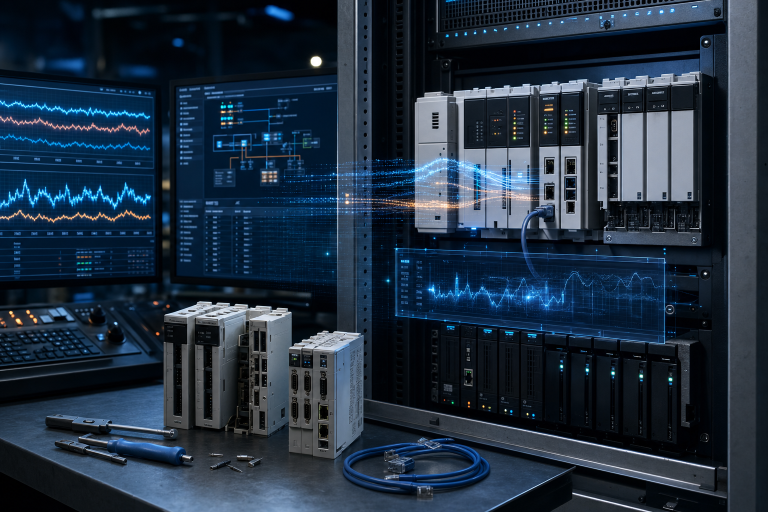
Today, June 12, 2026, Honeywell officially pulled back the curtain on “Experion Cognition,” a suite designed to push industrial sites toward truly autonomous operations. As a 20-year veteran of DCS maintenance, I see the headlines about “Cognitive AI” and “Self-Healing Control Loops,” and I can’t help but think about the reality in the rack room. While the software layer is reaching for the clouds, the physical layer—the controllers, I/O modules, and power supplies—is still the bedrock upon which these autonomous dreams must be built. And right now, that bedrock is aging faster than the marketing can keep up.
The launch of Experion Cognition isn’t just a technological milestone; it’s a wake-up call for every reliability engineer still running Honeywell TDC 3000 or early Experion PKS R3xx/R4xx systems. There is an widening “Cognition Gap” between the high-level AI promises and the low-level hardware availability. You cannot achieve autonomous operations if your underlying UCN node is one capacitor failure away from a site-wide blackout. If you want to ride the AI wave, you first need to secure your hardware sovereignty.
The Shadow Debt of the LCN and UCN
In my two decades of experience, the most dangerous risk is the one you stop talking about. For many plants, the Local Control Network (LCN) and Universal Control Network (UCN) have become “invisible.” They’ve run for 30 years, so we assume they’ll run for another 10. But the June 2026 supply chain reality is stark: legacy Honeywell components are hitting a “Scarcity Spike.” As Honeywell pivots toward software and autonomous services, and prepares for the massive Aerospace spin-off on June 29, the focus on manufacturing and supporting 20-year-old hardware is naturally receding.
Autonomous operations require high-frequency data and ultra-reliable deterministic execution. If your Honeywell TDC 3000 spare boards are depleted, or if your UCN Bridge modules are showing signs of thermal fatigue, “Cognitive AI” will only diagnose your impending failure more precisely—it won’t prevent it. The “shadow debt” of deferred hardware replacement is coming due. Sourcing audited, tested legacy modules is no longer just a procurement task; it’s a prerequisite for any digitalization strategy.
Procurement Strategy in the ‘Autonomous Era’
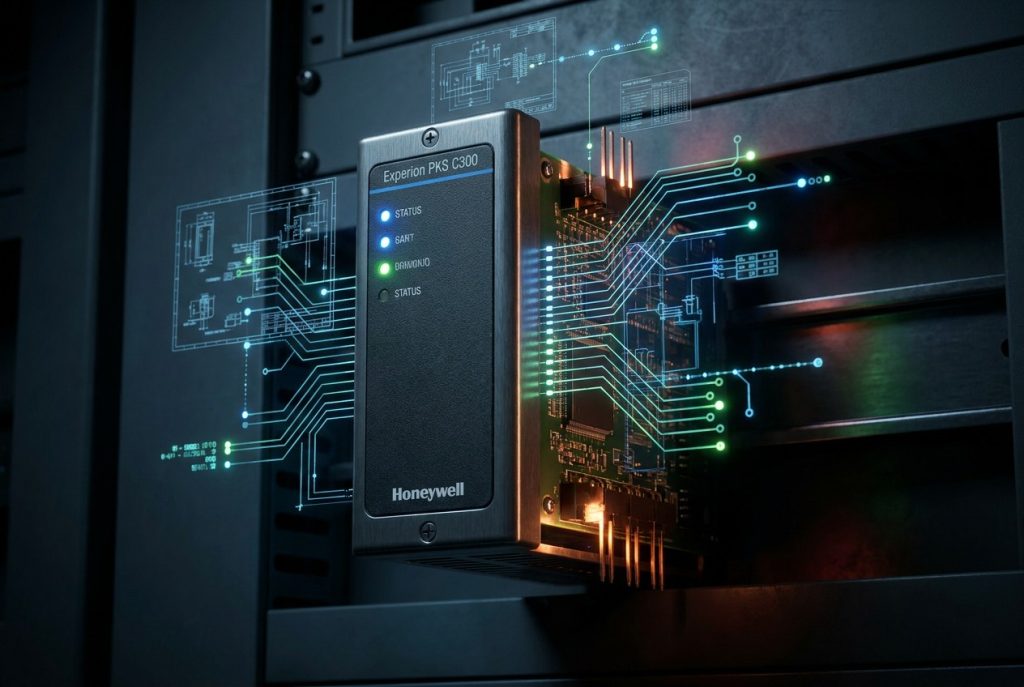
For procurement managers, the goal in 2026 should be “Resilience First.” While your CIO talks about autonomous loops, your priority must be the Honeywell C200 and C300 series spares. These are the workhorses that provide the deterministic foundation for the Experion PKS environment. A C300 controller failure in a modern plant is a disaster; a C300 failure in an autonomous plant is a systemic collapse because the “cognition” has lost its “muscles.”
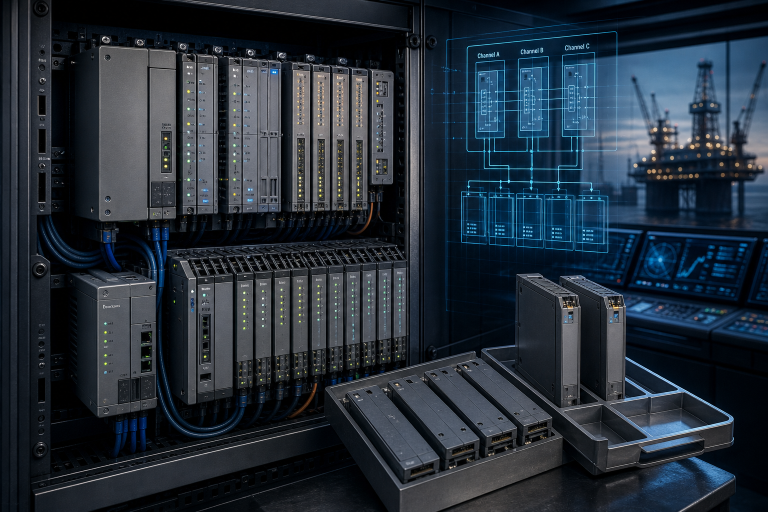
We are seeing a specific surge in demand for Honeywell FSC (Fail Safe Control) modules. Safety systems are the ultimate gatekeepers of autonomy. If your safety layer is compromised by aging hardware, no amount of AI can legally or ethically keep the plant running. The strategic move now is to build a “3-Year Hardware Buffer” of mission-critical Honeywell cards. This buffer buys you the time to evaluate Honeywell’s new autonomous platforms without being forced into a $10M migration because a single $5,000 card became unobtainable on the open market.
Maintaining the ‘Cold Precision’ of Your Site
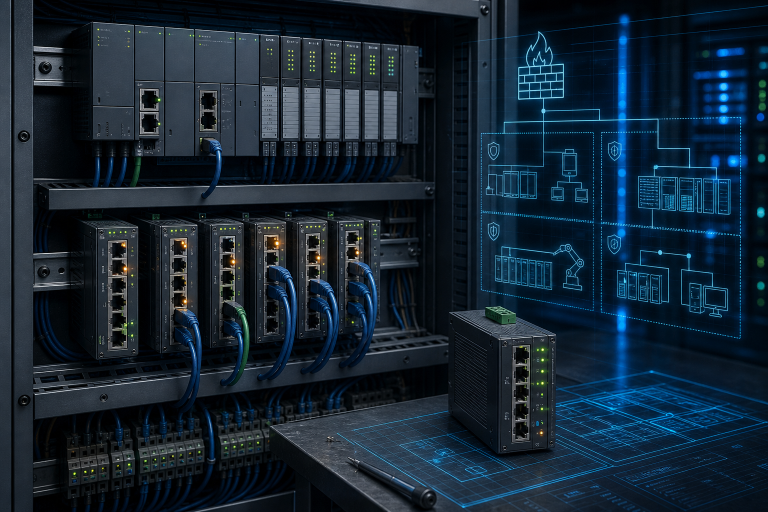
Autonomous operations are about removing human error, but they also remove human flexibility. In the old days, an experienced operator could “feel” a failing valve or a jittery controller. In the cognitive era, the system trusts the data. If that data is corrupted by a failing I/O board or a noisy power supply, the AI will make high-speed, autonomous—and wrong—decisions. Hardware integrity is the new cybersecurity.
My advice to my peers today is simple: Audit your Honeywell racks this week. Don’t just check the status LEDs; check the manufacture dates on your power supplies and the electrolytic health of your older UCN nodes. As we approach the end of June 2026, the market for high-quality Honeywell legacy spares will only tighten. Secure your hardware sovereignty today, so you can actually afford to be “autonomous” tomorrow.
Frequently Asked Questions
Q1: Does Honeywell Experion Cognition require a full hardware upgrade?
Technically, “Cognition” is designed to layer over existing Experion PKS infrastructure. However, it demands high data throughput and 100% network uptime. If your legacy UCN/LCN network is already congested or running on marginal hardware, the increased data polling from AI analytics can push these older systems over the edge, causing communication timeouts or node crashes.
Q2: Why is sourcing Honeywell TDC 3000 spares becoming harder in 2026?
We are seeing a “double squeeze.” First, original components like certain specialized ASICs on the UCN boards have been out of production for years. Second, the global focus on AI and EV semiconductors has deprioritized the low-volume “heritage” chip runs needed for legacy repairs. This has created a scarcity spike where only audited, second-market inventories remain viable.
Q3: Should I prioritize C300 spares or older C200 modules?
It depends on your migration roadmap. If your core process still relies on C200s, those are your highest risk because they are further along the obsolescence curve. However, C300s are often the “gateway” nodes to newer autonomous features. Sourcing a buffer of C300 controllers now is a smart play to protect your path toward Experion Cognition while maintaining current stability.
Q4: How does the Honeywell Aerospace spin-off affect my DCS support?
While Honeywell remains committed to its industrial base, such a large corporate restructuring often leads to a “leaner” support model. For users of legacy systems like TDC 3000 or early FSC, this typically means longer OEM lead times and a push toward “migration-or-nothing” support contracts. Building your own internal spare parts reserve is the only way to maintain independent control over your system’s lifespan.
Need to secure your Honeywell hardware foundation? Whether you’re running a classic TDC 3000 setup or a modern Experion PKS C300 node, DriveKNMS provides audited, fully tested legacy components to ensure your path to autonomy isn’t blocked by a hardware failure. Explore our Honeywell certified inventory today.
© 2026 DriveKNMS. All rights reserved. Official Website: https://driveknms.com Inquiry: sale@driveknms.com | WhatsApp/Tel: +86 18359243191