
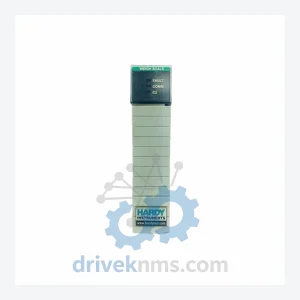
HARDY 1756-2WS Weigh Scale Module ControlLogix-Compatible Weighing I/O for Industrial Process Control
Hardy 1756-2WS is listed for ControlLogix RFQ review. Confirm quantity, condition and destination before quotation.
RFQ-ready industrial model
Model: 1756-OB16I
Product Overview
Commercial availability is handled through direct RFQ, model verification and export-oriented follow-up rather than public cart checkout.
Datasheet Preview
Use attached product manuals when available. If the manual is not public yet, request the full file directly through RFQ.
Commercial Path
Product pages on DRIVEKNMS are designed to verify model, brand and series first, then move the buyer into one clean quotation path.
Technical Dossier
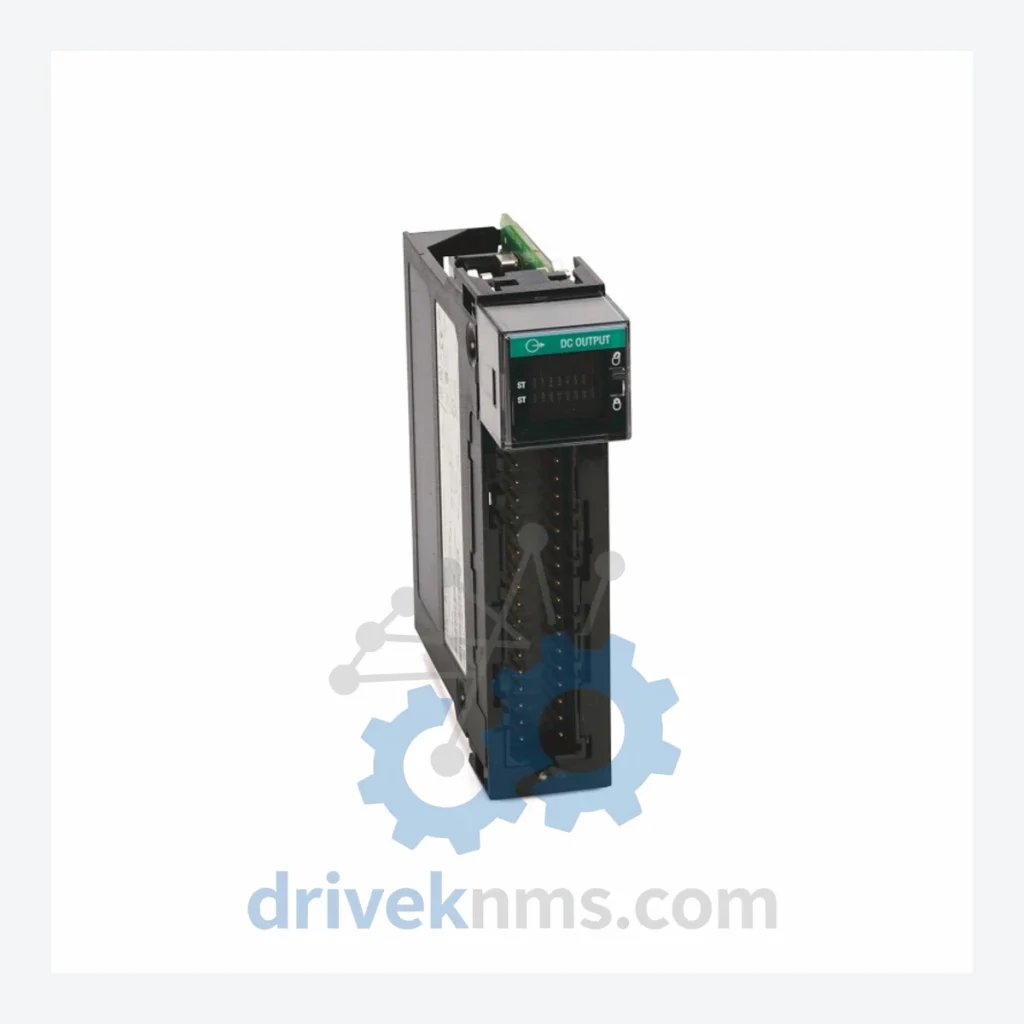
The Allen-Bradley 1756 ControlLogix platform is one of the most widely deployed programmable automation controller (PAC) architectures in global heavy industry. Installed across petrochemical refineries, nuclear power generation facilities, offshore oil & gas platforms, pulp and paper mills, and large-scale water treatment infrastructure, the 1756 backplane-based system has served as the backbone of process and discrete control since its commercial introduction in the late 1990s. Its modular chassis architecture — supporting 4, 7, 10, and 17-slot configurations — allows engineers to construct highly scalable control nodes with deterministic I/O scanning, redundant controller support, and multi-network communication from a single rack. The 1756-OB16I is a 16-point isolated digital output module within this platform, rated for 10–30V DC operation with individual point isolation, making it the standard selection for applications requiring output channel independence and protection against ground loops in field wiring.
Digital Output Modules
Digital Input Modules
Analog I/O Modules
Controller & Communication Modules
Each 1756-series module processed by DriveKNMS undergoes a structured verification protocol adapted to the module's functional category. Digital output modules including the 1756-OB16I are tested under load across all 16 output points, with isolation resistance measured between each point and chassis ground to confirm the isolated architecture is intact. Backplane connector pins are inspected under magnification for fretting corrosion — a common failure mode in modules removed from high-vibration environments. Analog modules are calibrated against NIST-traceable references with linearity and offset error recorded per channel. Communication modules are tested for EtherNet/IP or ControlNet connectivity using live network simulation, with CIP messaging latency logged. All modules are powered through a controlled 1756 chassis test fixture running current-generation Logix firmware to confirm module identity, revision reporting, and I/O tree recognition before dispatch.
Continue The Model Path
Move from this exact model into the matching system hub, brand archive, model-family archive or lifecycle sourcing route before sending a final RFQ list.
Related Paths
Hardy 1756-2WS is listed for ControlLogix RFQ review. Confirm quantity, condition and destination before quotation.
ProSoft Technology MVI56-GEC is listed for ControlLogix RFQ review. Confirm quantity, condition and destination before quotation.
ProSoft Technology MVI56-DFCM is listed for ControlLogix RFQ review. Confirm quantity, condition and destination before quotation.