
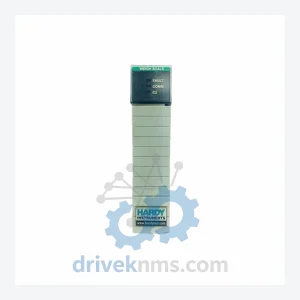
HARDY 1756-2WS Weigh Scale Module ControlLogix-Compatible Weighing I/O for Industrial Process Control
Hardy 1756-2WS is listed for ControlLogix RFQ review. Confirm quantity, condition and destination before quotation.
RFQ-ready industrial model
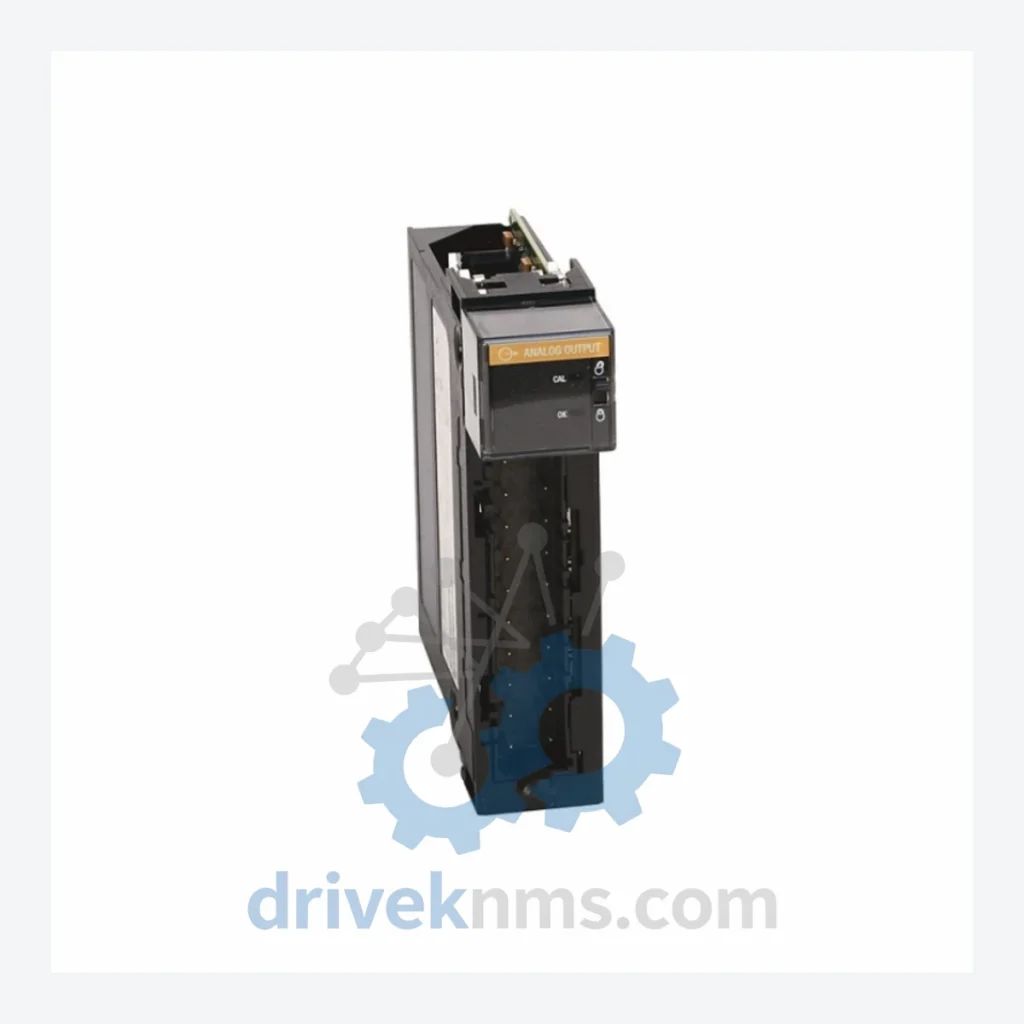
Model: 1756-OF8K
Product Overview
Commercial availability is handled through direct RFQ, model verification and export-oriented follow-up rather than public cart checkout.
Datasheet Preview
Use attached product manuals when available. If the manual is not public yet, request the full file directly through RFQ.
Commercial Path
Product pages on DRIVEKNMS are designed to verify model, brand and series first, then move the buyer into one clean quotation path.
Technical Dossier
The Allen-Bradley ControlLogix 1756 platform is one of the most widely deployed programmable automation controller (PAC) architectures in global heavy industry. Installed across petrochemical refineries, nuclear power facilities, LNG terminals, steel mills, and continuous process plants, the 1756 chassis-based system has served as the backbone of safety-critical and high-availability automation since its commercial introduction in the late 1990s. Its modular, hot-swappable architecture and deterministic backplane communication make it the reference standard against which competing DCS and PLC platforms are measured. As of 2026, the 1756 series remains in active production for core CPU and I/O families, while a significant portion of the catalog—particularly legacy communication adapters and early-generation analog modules—has entered end-of-life status, creating sustained demand for verified surplus and refurbished inventory.
The 1756 platform was engineered around a producer/consumer network model, enabling deterministic peer-to-peer data exchange across the ControlNet and EtherNet/IP backbones without polling overhead. First-generation controllers (1756-L1, 1756-L20) used SRAM-based memory with battery backup; these have been fully superseded by the L7x and L8x series featuring non-volatile energy-stored memory (ESM) and SD card program storage.
The transition from Series A to Series B and C I/O modules introduced improved isolation ratings, HART pass-through on analog modules, and enhanced diagnostics. The 1756-L8x generation (introduced circa 2015) added dual-port EtherNet/IP, integrated motion over EtherNet/IP (MoE), and CIP Security support—features absent in all prior generations. Facilities running mixed L6x/L7x/L8x environments must account for firmware compatibility constraints when performing chassis-level upgrades, as Studio 5000 Logix Designer version requirements differ across controller generations. The 1756-OF8K specifically belongs to the HART-capable analog output family, supporting 8-channel current/voltage output with HART communication on each channel—a capability introduced to bridge legacy field instrument protocols with modern DCS integration requirements.
The following SKUs represent the core functional categories of the 1756 platform. Each entry reflects a verified, commercially available or historically documented module within the ControlLogix ecosystem.
Controllers (CPU)
Analog Output Modules
Analog Input Modules
Digital I/O Modules
Communication & Adapter Modules
Power Supply Modules
Q: How are RFQ terms confirmed?
A: Quantity, required condition, documentation needs, destination and sourcing route are confirmed during RFQ review before quotation.
The 1756 backplane operates at a proprietary high-speed serial bus. Counterfeit or improperly refurbished modules that pass visual inspection can still introduce latent backplane faults, causing intermittent communication errors that are difficult to diagnose under production conditions. DriveKNMS applies a structured test protocol for all 1756 modules prior to shipment:
Q: How is condition confirmed before quotation?
A: Available condition, photos, test records and documentation are checked according to the requested model and sourcing channel before a formal RFQ response.
Continue The Model Path
Move from this exact model into the matching system hub, brand archive, model-family archive or lifecycle sourcing route before sending a final RFQ list.
Related Paths
Hardy 1756-2WS is listed for ControlLogix RFQ review. Confirm quantity, condition and destination before quotation.
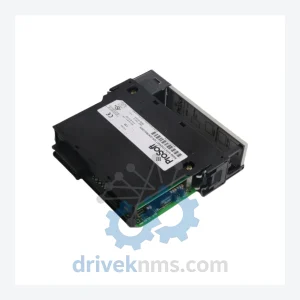
ProSoft Technology MVI56-GEC is listed for ControlLogix RFQ review. Confirm quantity, condition and destination before quotation.
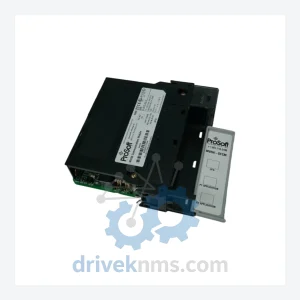
ProSoft Technology MVI56-DFCM is listed for ControlLogix RFQ review. Confirm quantity, condition and destination before quotation.